Blog

  • The Elephant: A Giant of Intelligence, Strength, and Survival

    The Elephant: A Giant of Intelligence, Strength, and Survival

    Introduction

    Elephants are among the most remarkable animals on Earth. Known for their enormous size, distinctive trunks, and extraordinary intelligence, these majestic creatures have fascinated humans for thousands of years. They play a crucial role in maintaining the ecosystems they inhabit and hold deep cultural and spiritual significance in many societies around the world. Despite their importance, elephants face serious threats from habitat loss, climate change, and illegal poaching. Understanding these magnificent animals is essential to ensuring their survival for future generations.

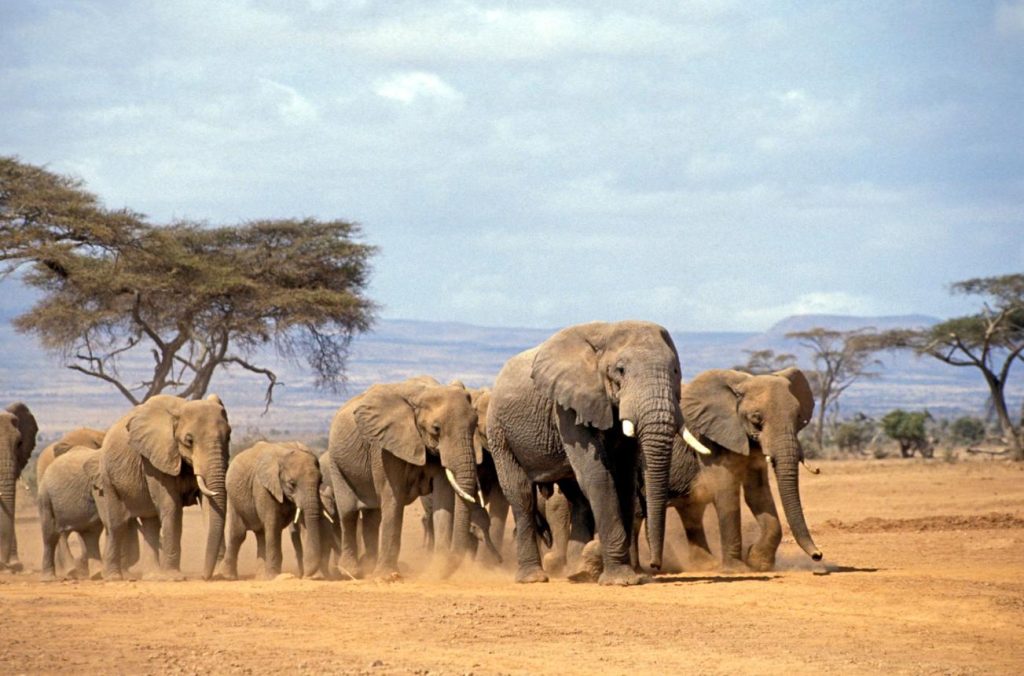
    ![Image 1: A herd of elephants walking across the African savanna]
    Caption: A family of elephants traveling together across their natural habitat.

    Species of Elephants

    There are three recognized species of elephants in the world:

    1. African Savanna Elephant

    The African savanna elephant is the largest land animal on Earth. These elephants inhabit grasslands, woodlands, and savannas across sub-Saharan Africa. They can weigh up to 6,000 kilograms and stand over 3 meters tall at the shoulder.

    2. African Forest Elephant

    Smaller than their savanna relatives, African forest elephants live in the dense rainforests of Central and West Africa. They have straighter tusks and rounded ears, which help them navigate through thick vegetation.

    3. Asian Elephant

    Asian elephants are found in countries such as India, Sri Lanka, Thailand, Myanmar, and Indonesia. They are generally smaller than African elephants and have smaller ears. Only some Asian elephants develop large tusks, unlike both male and female African elephants.

    These species have adapted to different environments but share many common characteristics, including high intelligence, strong social bonds, and remarkable memory.

    Physical Characteristics
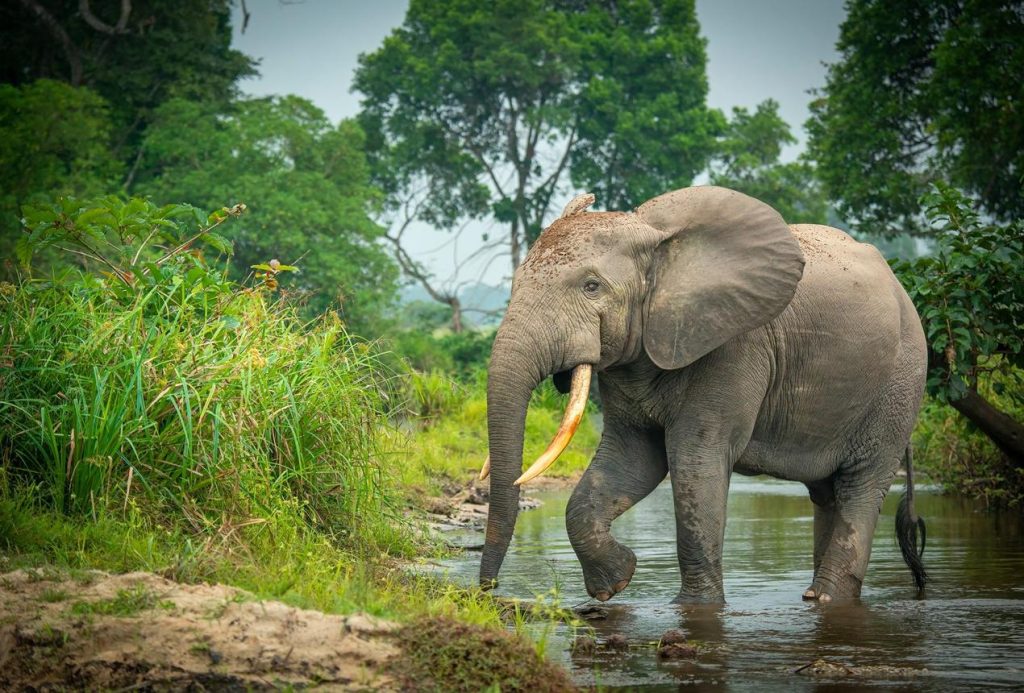
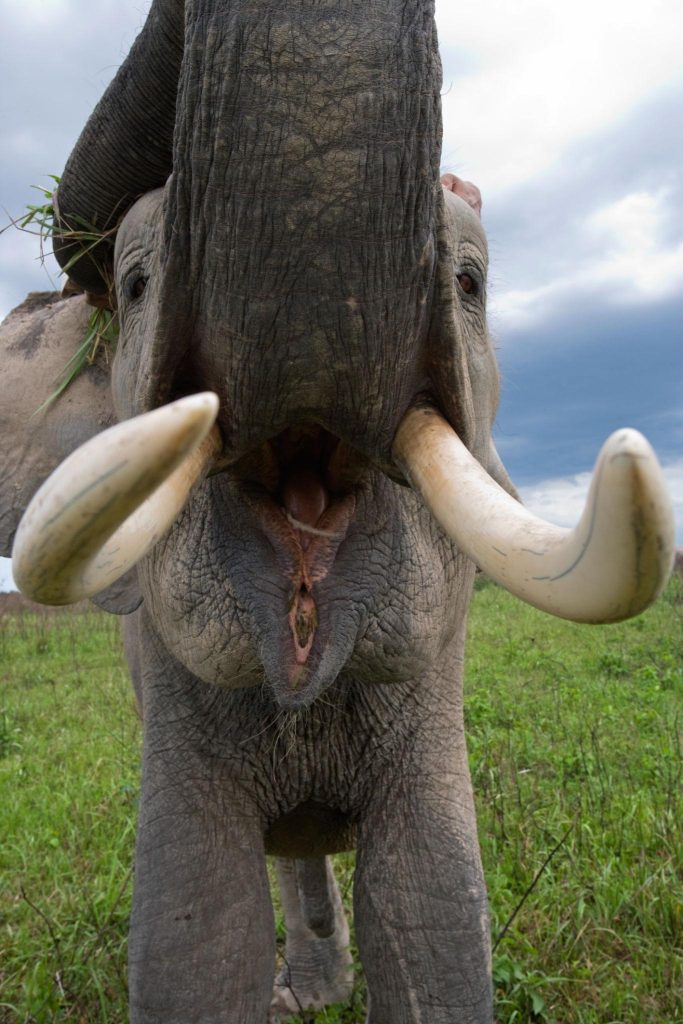
    The elephant’s most distinctive feature is its trunk, which is actually a fusion of the nose and upper lip. This versatile organ contains tens of thousands of muscles and serves numerous purposes, including breathing, smelling, drinking, grasping objects, and communicating.

    Tusks

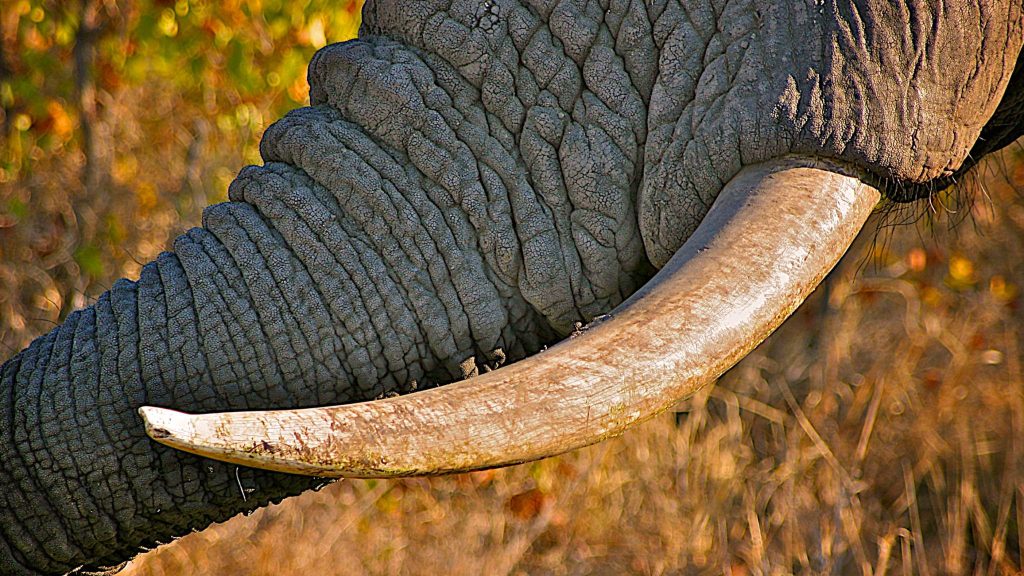
    Elephant tusks are elongated incisor teeth that continue growing throughout their lives. Tusks are used for digging, stripping bark from trees, lifting heavy objects, and defense against predators.

    Ears

    Elephants have large ears that help regulate body temperature. Blood vessels close to the surface of the ears release heat when the animal flaps them, helping cool the body in hot climates.

    Skin

    Although elephant skin can be several centimeters thick, it remains sensitive to touch. Elephants frequently cover themselves with mud and dust to protect against insects and intense sunlight.

    ![Image 2: Close-up of an elephant’s trunk and tusks]
    Caption: The elephant’s trunk is one of the most versatile organs in the animal kingdom.

    Intelligence and Memory
    Elephants are considered among the most intelligent animals in the world. Their brains are the largest of any land animal and are associated with advanced cognitive abilities.

    Research has shown that elephants can:

    • Recognize themselves in mirrors.
    • Solve complex problems.
    • Use tools.
    • Display empathy toward injured or distressed individuals.
    • Remember locations of water sources over vast distances.

    The phrase “an elephant never forgets” is rooted in reality. Their excellent memory helps them survive during droughts and navigate migration routes that may span hundreds of kilometers.

    Scientists have also observed elephants mourning deceased family members. They may gently touch the bones or tusks of dead elephants and remain near the site for extended periods, suggesting emotional depth rarely seen in animals.

    Social Structure and Family Life
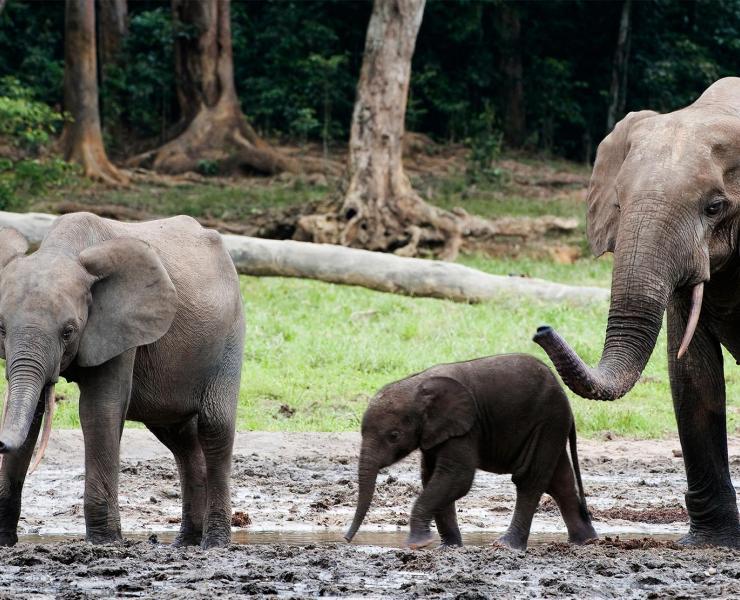
    Elephants live in highly organized social groups led by a matriarch, usually the oldest and most experienced female. These family groups consist of mothers, daughters, sisters, and young calves.

    The matriarch plays a vital role by guiding the herd to food and water and making decisions that affect the group’s survival. Her knowledge and experience are especially valuable during challenging environmental conditions.

    Caring for Calves

    Elephant calves are born after a pregnancy lasting approximately 22 months, the longest gestation period of any land mammal. At birth, calves weigh around 100 kilograms and depend heavily on their mothers and other females within the herd.

    This cooperative care system increases the calf’s chances of survival and strengthens social bonds among group members.

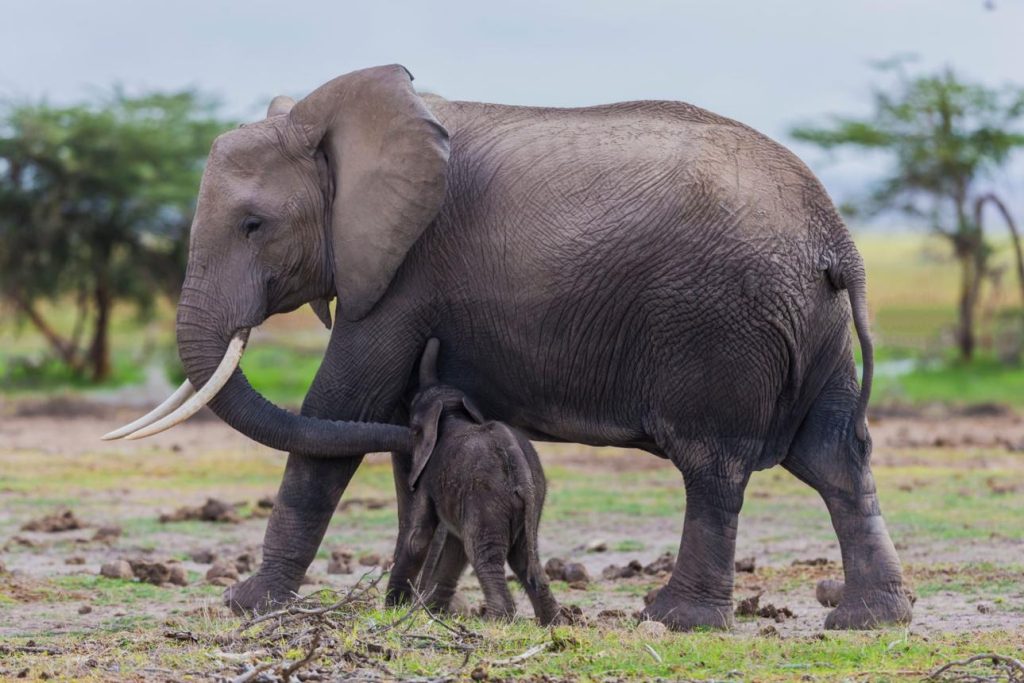
    ![Image 3: Mother elephant with her calf]
    Caption: Elephant mothers provide years of care and protection for their young.
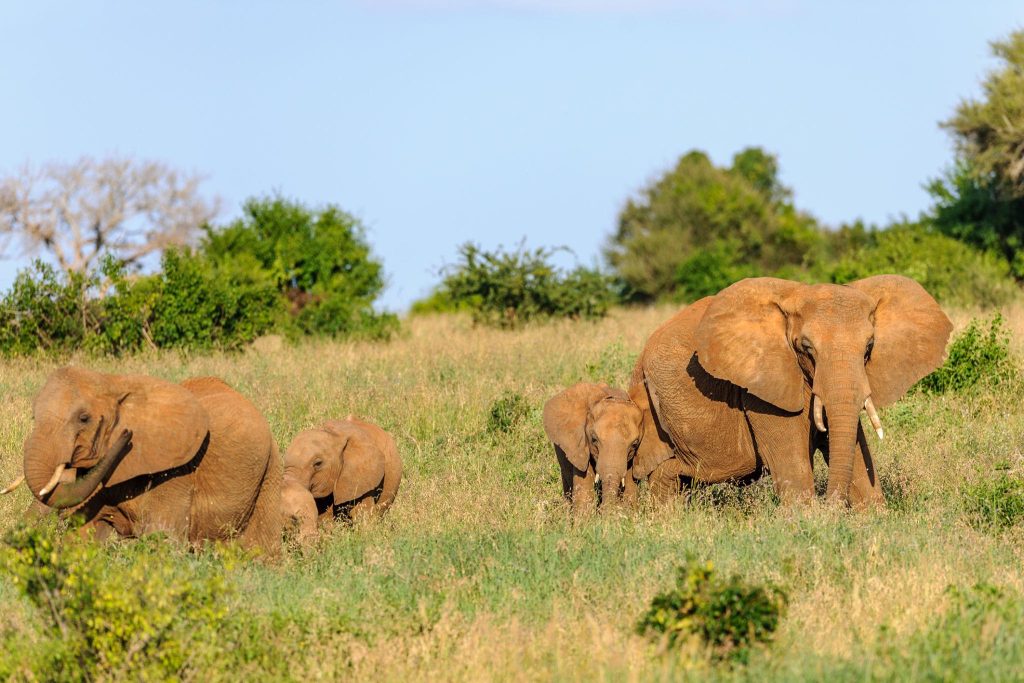
    Communication

    Elephants communicate using a variety of methods, including vocalizations, body language, touch, and vibrations.

    Vocal Sounds

    Elephants produce:

    • Trumpets
    • Rumbles
    • Roars
    • Snorts

    Some low-frequency rumbles travel several kilometers and cannot be heard by humans. These infrasonic calls allow elephants to communicate across long distances.

    Touch and Body Language

    Touch plays an important role in elephant society. They use their trunks to greet, comfort, and reassure one another. Physical contact strengthens social relationships and helps maintain group cohesion.

    Seismic Communication

    Scientists have discovered that elephants can detect vibrations through the ground using specialized cells in their feet. This ability allows them to receive information about distant storms, approaching herds, or potential threats.

    Habitat and Diet

    Elephants inhabit a wide range of environments, including savannas, forests, grasslands, and wetlands. Their survival depends on access to sufficient food and water.

    Diet

    Elephants are herbivores and consume:

    • Grass
    • Leaves
    • Bark
    • Roots
    • Fruits
    • Shrubs

    An adult elephant may eat between 150 and 300 kilograms of vegetation daily and drink up to 200 liters of water.

    Because of their enormous appetite, elephants spend much of their day feeding. Their feeding habits also influence the landscape, making them important ecosystem engineers.

    ![Image 4: Elephants feeding in a forest ecosystem]
    Caption: Elephants spend a significant portion of their day searching for food.

    Ecological Importance
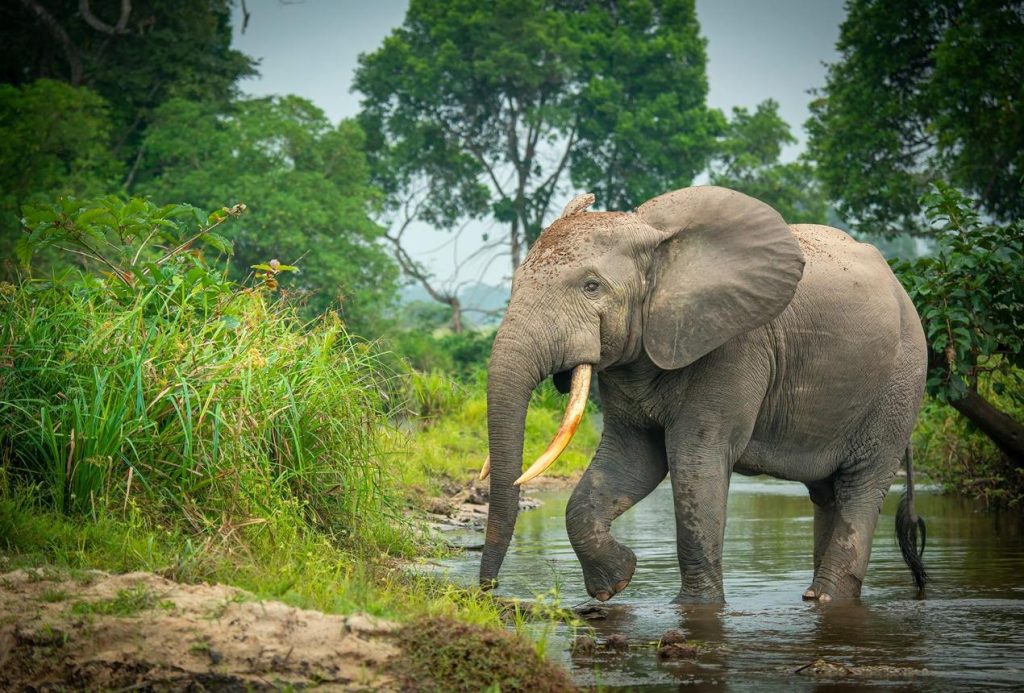
    Elephants are often referred to as “keystone species” because their activities have a major impact on the environment.

    Seed Dispersal

    Many plant species depend on elephants to disperse their seeds. Seeds consumed by elephants can travel long distances before being deposited in nutrient-rich dung, increasing the chances of successful germination.

    Creating Water Access

    During dry seasons, elephants use their tusks and feet to dig for underground water. These water holes benefit numerous other species, including birds, antelope, and smaller mammals.

    Shaping Landscapes

    By knocking down trees and clearing vegetation, elephants create open spaces that support biodiversity and allow sunlight to reach the ground.

    Without elephants, many ecosystems would look dramatically different and support fewer species.

    ![Image 5: Elephant creating a path through dense vegetation]
    Caption: Elephants help shape and maintain healthy ecosystems.

    Threats to Elephant Survival
    Despite their size and strength, elephants face numerous threats.

    Poaching

    One of the greatest dangers is illegal poaching for ivory. Elephant tusks are highly valued in some markets, leading to the killing of thousands of elephants each year.

    Habitat Loss

    As human populations grow, forests and grasslands are converted into agricultural land, roads, and settlements. This reduces the space available for elephants and fragments migration routes.

    Human-Elephant Conflict

    When elephants enter farms searching for food, conflicts with humans can occur. Crop damage may lead to retaliation against elephants, creating challenges for conservation efforts.

    Climate Change

    Changes in rainfall patterns and increasing temperatures can affect food and water availability, placing additional pressure on elephant populations.

    ![Image 6: Conservation workers monitoring elephants]
    Caption: Conservation programs help protect elephants from poaching and habitat loss.

    Conservation Efforts
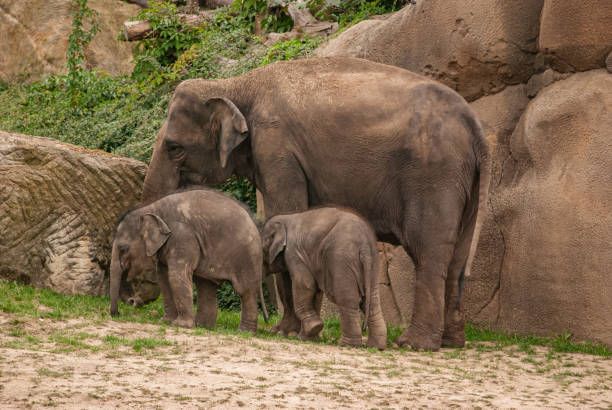
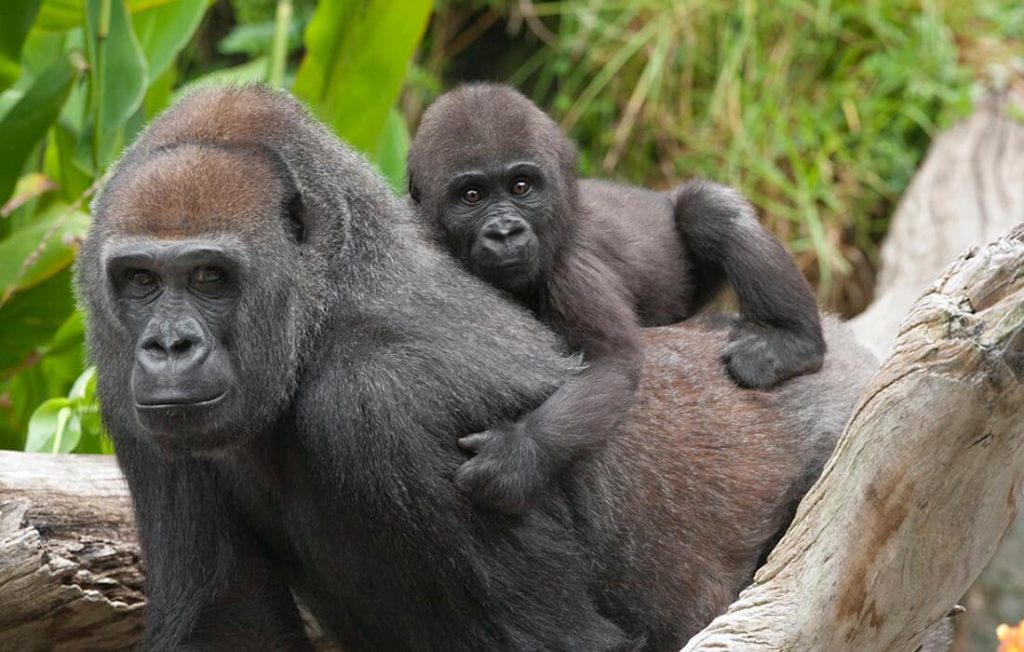
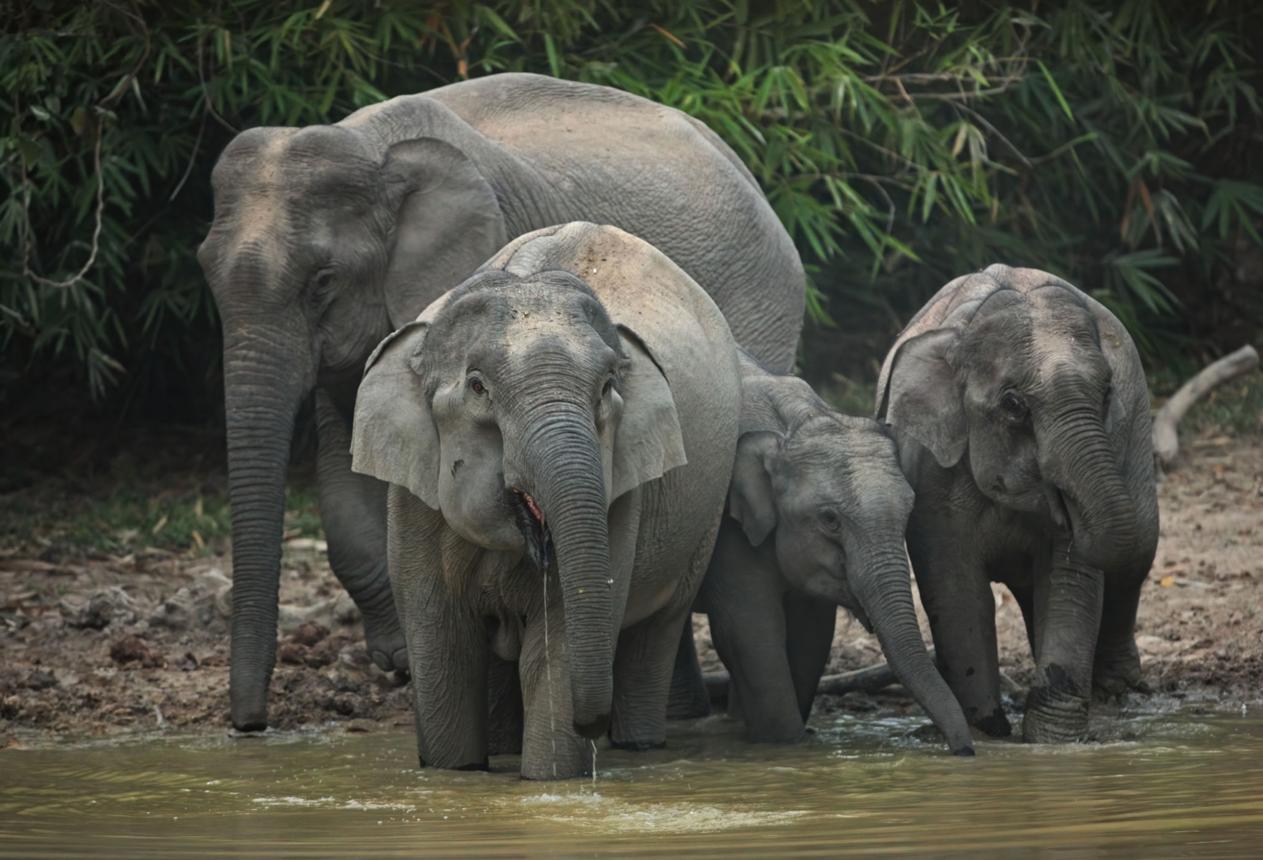
    Elephant with babies

    Governments, conservation organizations, and local communities are working together to protect elephants.

    Protected Areas

    National parks and wildlife reserves provide safe habitats where elephants can live with reduced human interference.

    Anti-Poaching Measures

    Many countries have increased law enforcement efforts, implemented surveillance technologies, and strengthened penalties for wildlife crimes.

    Community-Based Conservation

    Successful conservation often involves local communities. Programs that promote sustainable livelihoods and ecotourism encourage people to value elephants as living assets rather than threats.

    International Cooperation

    Global agreements regulate the trade of elephant products and support conservation initiatives across national borders.

    These efforts have helped stabilize some elephant populations, although continued action remains essential.

    Elephants in Culture and History

    Elephants have played important roles in human history for centuries. In Asia, they have been used in transportation, ceremonies, and religious traditions. In many African cultures, elephants symbolize wisdom, strength, leadership, and family unity.

    Elephants also appear in literature, mythology, art, and modern media. Their intelligence and gentle nature have made them symbols of compassion and resilience worldwide.
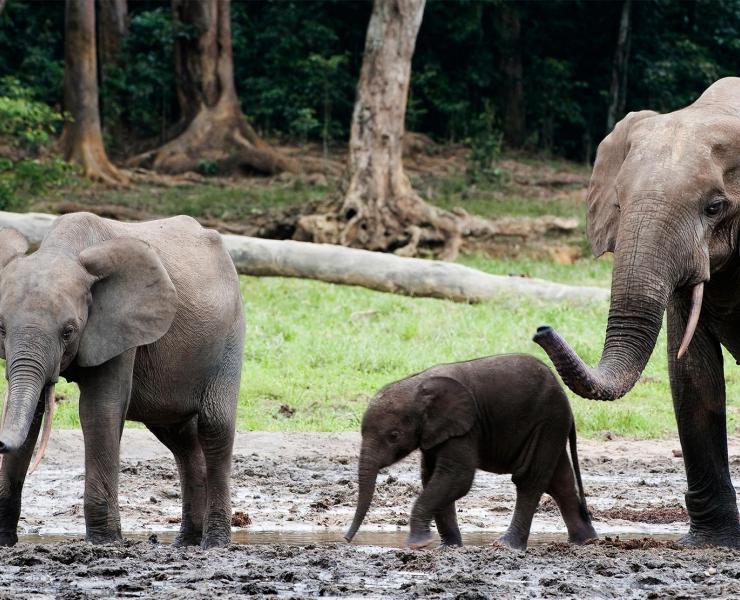
    Conclusion

    Elephants are extraordinary creatures whose intelligence, social complexity, and ecological importance make them one of the world’s most valuable species. They shape landscapes, support biodiversity, and inspire people across cultures and generations. However, habitat destruction, poaching, and climate-related challenges continue to threaten their future.

    Protecting elephants requires global cooperation, effective conservation policies, and increased public awareness. By safeguarding these magnificent animals, humanity not only preserves a unique part of Earth’s natural heritage but also helps maintain the health and balance of entire ecosystems. The survival of elephants is closely connected to the survival of countless other species, making their conservation a responsibility shared by all.
  • Albino Reptiles: Nature’s Rare and Mysterious White Wonders

    Albino Reptiles: Nature’s Rare and Mysterious White Wonders

    Among the countless reptiles that inhabit our planet, few are as visually striking as albino reptiles. Their pale white, yellow, pink, or cream-colored bodies often appear almost unreal compared to the darker colors typically associated with snakes, lizards, turtles, and crocodilians. Because of their unusual appearance, albino reptiles attract fascination from scientists, wildlife photographers, reptile enthusiasts, and zoo visitors alike.

    However, albinism is much more than an unusual color variation. It is a rare genetic condition that affects how an animal produces pigment, creating both advantages and significant challenges for survival in the wild. While some albino reptiles become famous attractions in zoos and wildlife parks, many face difficult lives due to increased vulnerability to predators, sunlight, and environmental pressures.

    Understanding albino reptiles offers a fascinating glimpse into genetics, evolution, and biodiversity. These rare animals remind us that nature sometimes produces extraordinary variations that challenge our expectations of how wildlife should look.

    What Is Albinism?

    Albinism is a genetic condition that results in little or no production of melanin, the pigment responsible for coloration in skin, scales, eyes, hair, and feathers across many animal species.

    In reptiles, melanin helps create darker colors such as black, brown, and gray. When a reptile inherits specific genetic mutations that interfere with melanin production, the result can be partial or complete albinism.

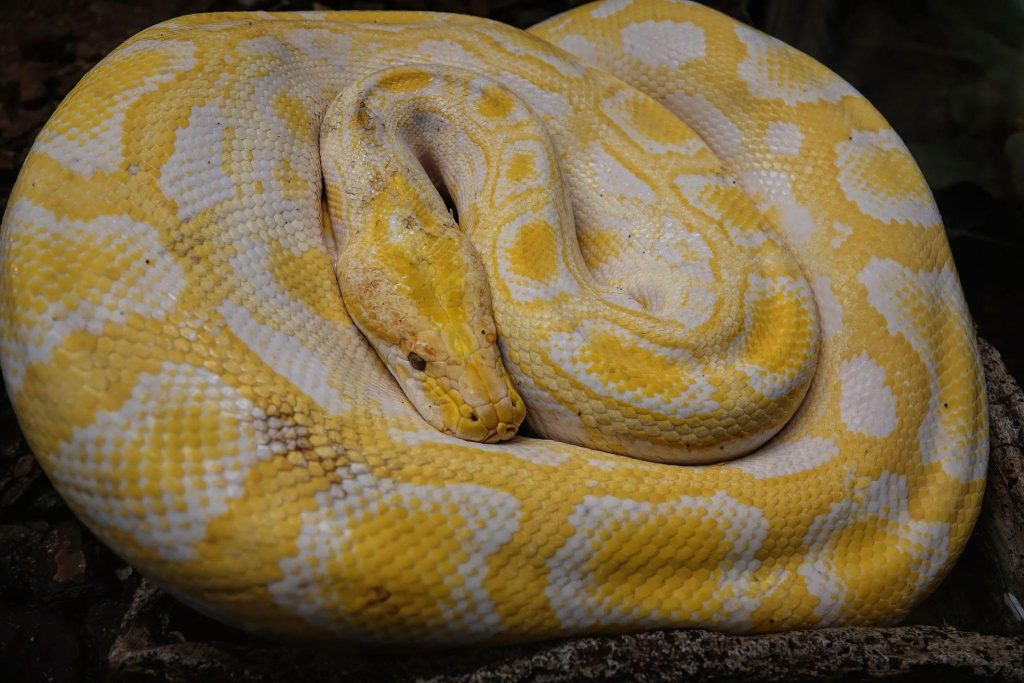
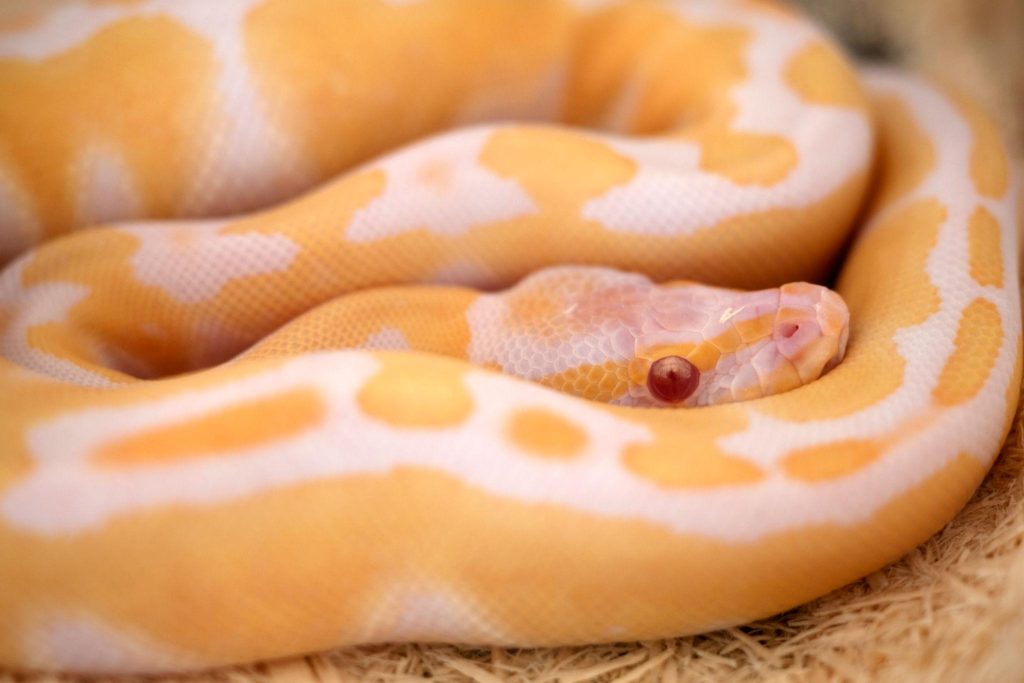
    Albino python with bright yellow and white scales coiled on a branch
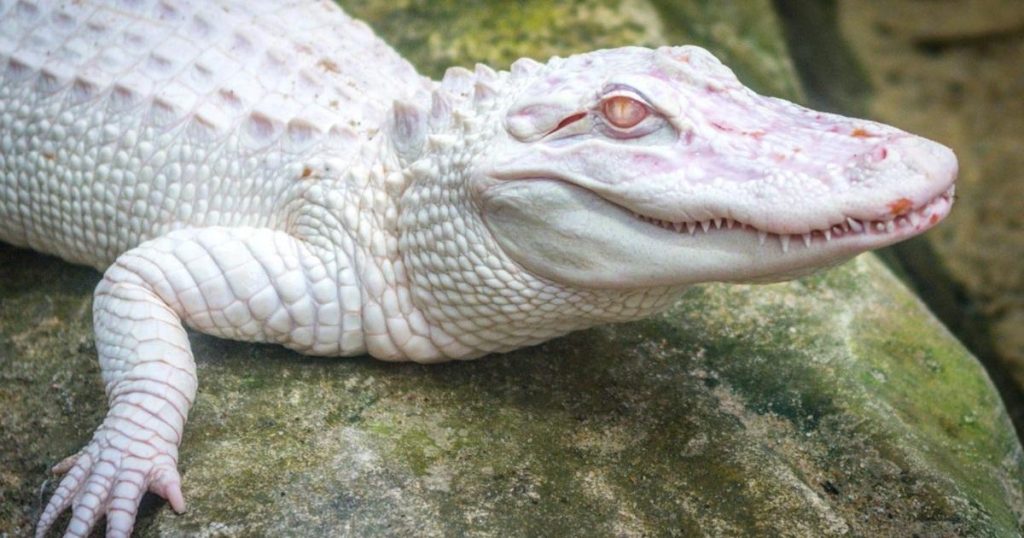
Rare albino crocodile resting near water with pale white skin and pink eyes
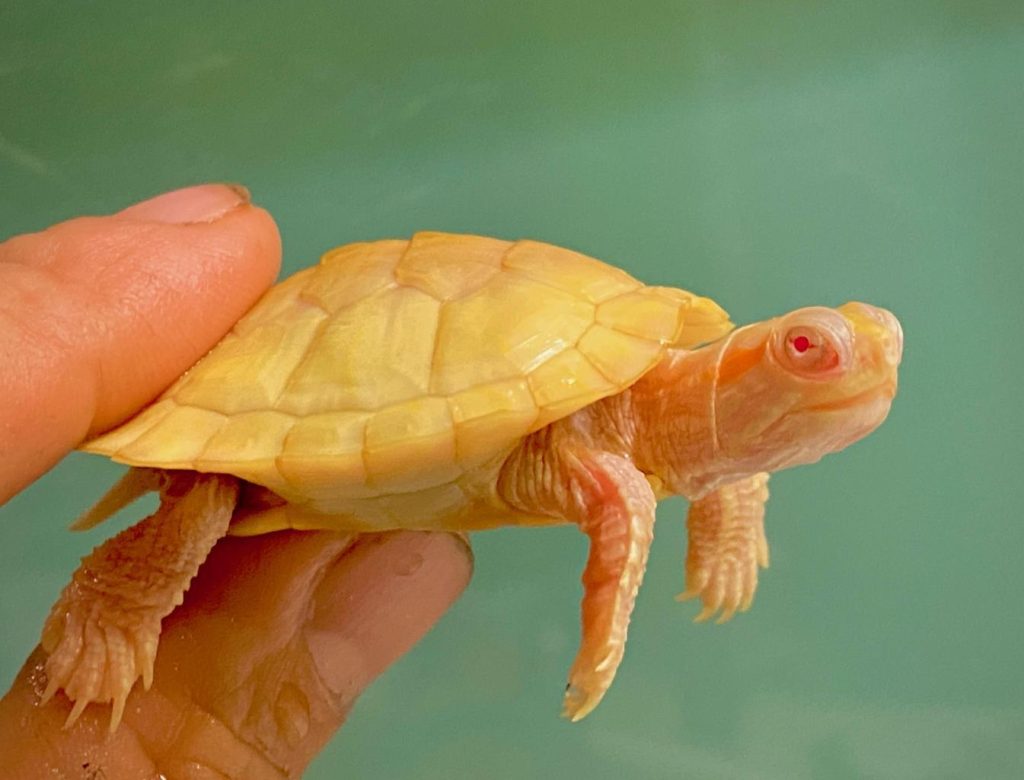
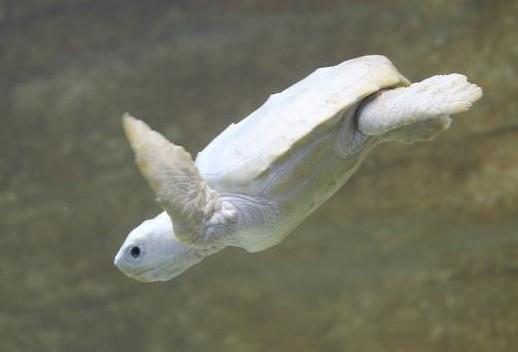
Albino turtle swimming underwater showing its light-colored shell and body
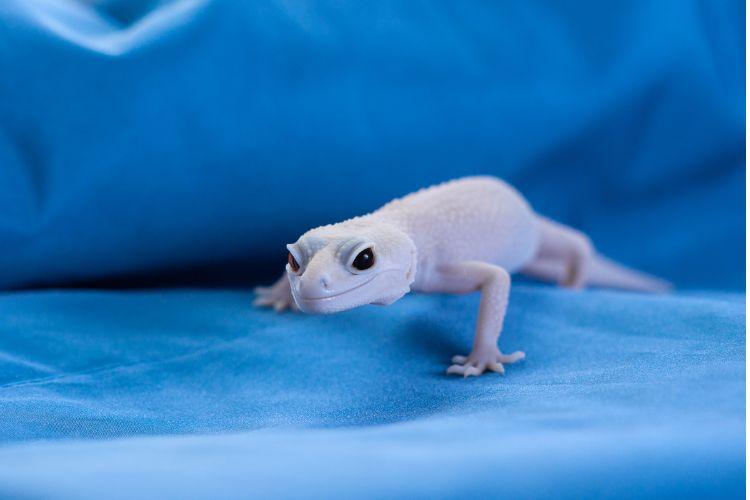
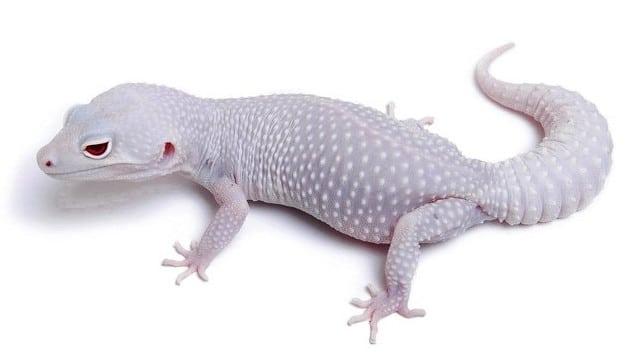
White albino gecko climbing a natural rock surface
Albino snake in a forest habitat displaying unique pigmentation
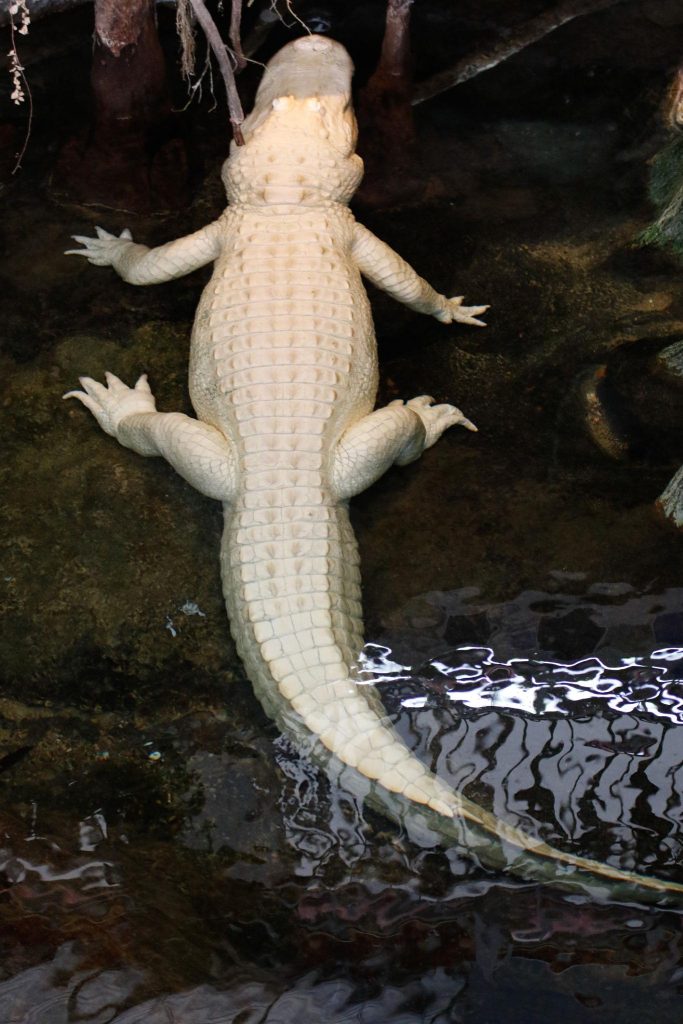
Rare albino alligator with white skin basking near a wetland
Albino lizard close-up highlighting its pale scales and red eyes

    Because melanin is missing, underlying pigments become more visible. This often gives albino reptiles their distinctive white, yellow, orange, cream, or pink appearance.

    One of the most recognizable characteristics of albinism is the eye color. Many albino animals have pink or red eyes because blood vessels become visible through the lack of pigmentation in the iris.

    Although albinism occurs in many animal groups, including mammals, birds, fish, and amphibians, it remains relatively rare in reptiles.

    How Rare Are Albino Reptiles?

    The exact frequency varies among species, but albinism is generally considered uncommon in wild reptile populations.

    Many estimates suggest that naturally occurring albinism may appear in only one out of several thousand individuals. In some species, the occurrence may be even rarer.

    The rarity of albino reptiles is one reason they generate so much attention when discovered. News stories frequently emerge when researchers, hikers, or wildlife photographers encounter an albino snake, turtle, or crocodile in the wild.

    Unfortunately, the same characteristics that make these reptiles visually remarkable also make survival more difficult.

    Because they stand out against natural backgrounds, albino reptiles are often easier for predators to spot. Their bright coloration reduces their ability to camouflage, a critical survival strategy for many reptile species.

    As a result, relatively few albino reptiles survive long enough to reach adulthood in the wild.

    Albino Snakes: The Most Famous Examples

    Perhaps the best-known albino reptiles are snakes.

    Albino pythons, corn snakes, king snakes, rat snakes, and boas are commonly featured in wildlife exhibits and reptile collections due to their stunning coloration.

    Without dark pigments, albino snakes often display vivid yellow, orange, white, and pink patterns that appear almost artistic. These colors can be especially dramatic in species that naturally possess complex scale markings.

    In captivity, selective breeding has increased the number of albino snake varieties available to reptile enthusiasts. Breeders have developed numerous color morphs that highlight different combinations of genetic traits.

    In the wild, however, albino snakes face substantial challenges. Their bright appearance makes them highly visible to predators such as birds of prey, mammals, and larger reptiles.

    For ambush predators that depend on remaining hidden while hunting, a lack of camouflage can significantly reduce hunting success as well.
    The Incredible Rarity of Albino Crocodiles and Alligators

    Among the rarest albino reptiles are crocodilians, including crocodiles and alligators.

    Albino alligators are exceptionally uncommon. Wildlife experts estimate that only a handful of true albino alligators exist worldwide.

    These animals possess striking white bodies combined with pink eyes. Their appearance often draws thousands of visitors to zoos and conservation centers fortunate enough to house them.

    The challenges facing albino crocodilians are severe. Young alligators and crocodiles rely heavily on camouflage to avoid predators and ambush prey. Without natural coloration, survival rates in the wild are dramatically reduced.

    Additionally, their sensitive skin and eyes are particularly vulnerable to sunlight.

    Because of these factors, many albino crocodilians that reach adulthood do so under protected conditions in wildlife facilities.

    Their rarity has made them symbols of both genetic diversity and conservation awareness.

    Albino Turtles: Living Gems of the Water

    Albino turtles are among the most beautiful reptiles ever documented.

    Their shells often display pale cream, ivory, yellow, or white coloration. Combined with pink or red eyes, their appearance can seem almost magical.
    Sea turtles, freshwater turtles, and tortoises have all occasionally produced albino individuals.
    For aquatic species, survival can be especially difficult. Young turtles rely on camouflage during their vulnerable early years. Bright coloration may increase the likelihood of predation by birds, fish, and mammals.

    Despite these challenges, rare albino turtles occasionally survive to adulthood, becoming important subjects for scientific research.

    Researchers study these individuals to better understand genetics, developmental biology, and the effects of pigmentation on survival.

    Why Albino Reptiles Often Have Vision Problems

    One of the lesser-known effects of albinism involves eyesight.

    Melanin plays an important role in the development and function of the eyes. When melanin is absent, visual impairments frequently occur.

    Many albino reptiles experience reduced visual acuity, increased sensitivity to bright light, and difficulties focusing.

    This can affect their ability to hunt, navigate, and detect predators.

    For species that rely heavily on vision, these disadvantages can further reduce survival chances in natural environments.

    In captivity, caretakers often provide shaded habitats and carefully controlled lighting conditions to minimize stress on albino animals.

    These accommodations help compensate for the challenges associated with light sensitivity.

    Sunlight: A Hidden Threat

    Most reptiles spend considerable time basking in sunlight to regulate body temperature.

    For albino reptiles, however, sunlight presents a unique challenge.

    Melanin helps protect tissues from ultraviolet radiation. Without adequate pigmentation, albino reptiles may be more susceptible to skin damage caused by prolonged sun exposure.

    As a result, many albino individuals naturally seek shaded environments more frequently than their normally pigmented counterparts.

    Wildlife experts often observe albino reptiles spending less time exposed to direct sunlight.

    In managed environments, keepers carefully monitor UV exposure while ensuring reptiles still receive the light necessary for healthy metabolism and calcium regulation.

    Balancing these needs requires specialized care.

    Scientific Value of Albino Reptiles

    Although albino reptiles are visually fascinating, their importance extends far beyond appearance.

    Scientists use albino individuals to study genetics, inheritance patterns, pigmentation processes, and evolutionary biology.

    Research involving albinism has contributed significantly to our understanding of how genes influence physical traits.

    By examining albino reptiles, researchers can identify specific genetic mutations responsible for pigmentation loss and investigate how these mutations affect other biological systems.

    These studies have implications not only for wildlife biology but also for broader fields such as medicine and genetics.

    Every albino reptile represents an opportunity to learn more about how living organisms develop and adapt.

    Conservation and Public Awareness

    Albino reptiles often become ambassadors for wildlife conservation.

    Their unusual appearance attracts public attention, creating opportunities to educate people about reptile diversity, habitat protection, and environmental stewardship.

    Many zoos and conservation centers use albino reptiles as educational tools to teach visitors about genetics and biodiversity.

    These animals help demonstrate that genetic variation exists throughout nature and that even rare individuals play important roles within ecosystems.

    By generating curiosity and interest, albino reptiles encourage greater appreciation for wildlife and the need to protect natural habitats.

    The Future of Albino Reptile Research

    As genetic technology continues advancing, scientists are gaining new insights into the mechanisms behind albinism.

    Modern DNA analysis allows researchers to identify specific mutations with greater precision than ever before.

    Future studies may reveal additional information about how pigmentation affects behavior, health, reproduction, and survival.

    Conservation programs may also benefit from improved understanding of genetic diversity within reptile populations.

    Although albino reptiles remain rare, they continue to provide valuable opportunities for scientific discovery.

    Their existence reminds us that nature constantly produces extraordinary variations that expand our understanding of life on Earth.

    Conclusion

    Albino reptiles are among the most remarkable animals found in nature. Their striking white, yellow, and pink coloration captures attention immediately, but their true significance extends far beyond appearance.

    From albino snakes and turtles to the incredibly rare albino alligators and crocodiles, these animals offer valuable insights into genetics, evolution, and biodiversity. While their lack of pigmentation creates significant survival challenges, it also provides scientists with unique opportunities to study the biological foundations of color and adaptation.

    Whether encountered in the wild, a zoo, or a conservation center, albino reptiles serve as powerful reminders of nature’s diversity and unpredictability. They demonstrate that even rare genetic variations can reveal important lessons about the natural world.

    As research continues, these extraordinary reptiles will undoubtedly remain symbols of scientific curiosity, conservation, and the endless wonders of life on Earth.

  • How Alligators Survive While Frozen: One of Nature’s Strangest Winter Survival Tricks

    How Alligators Survive While Frozen: One of Nature’s Strangest Winter Survival Tricks

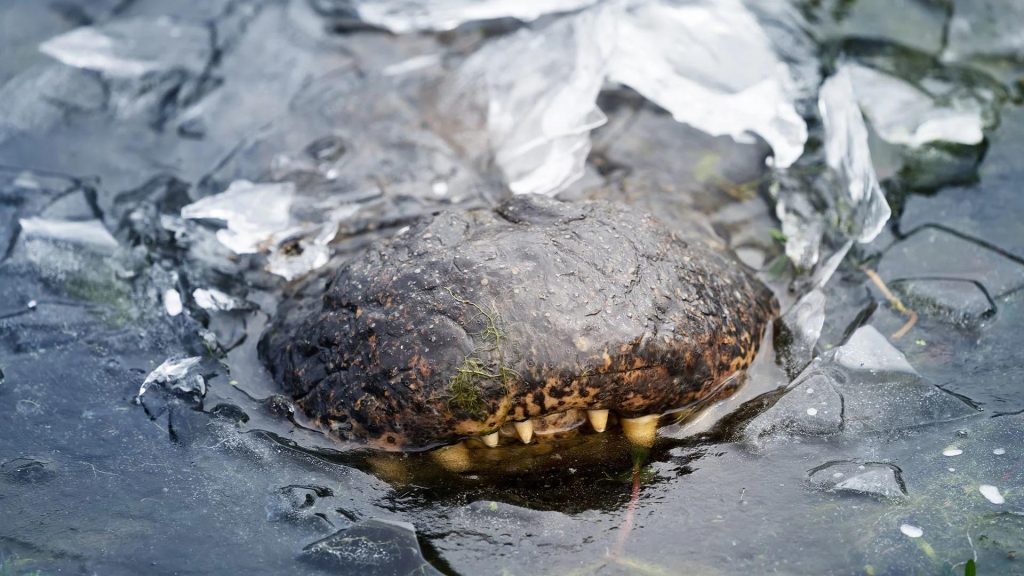
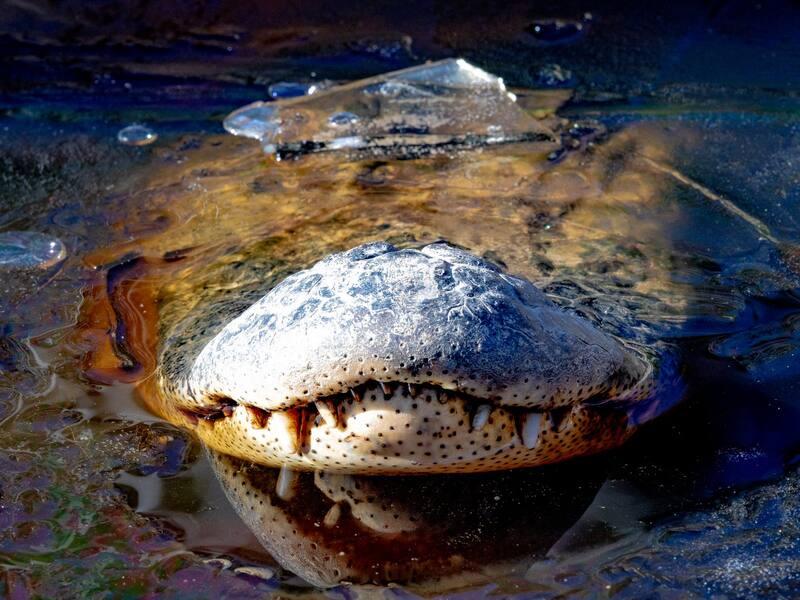
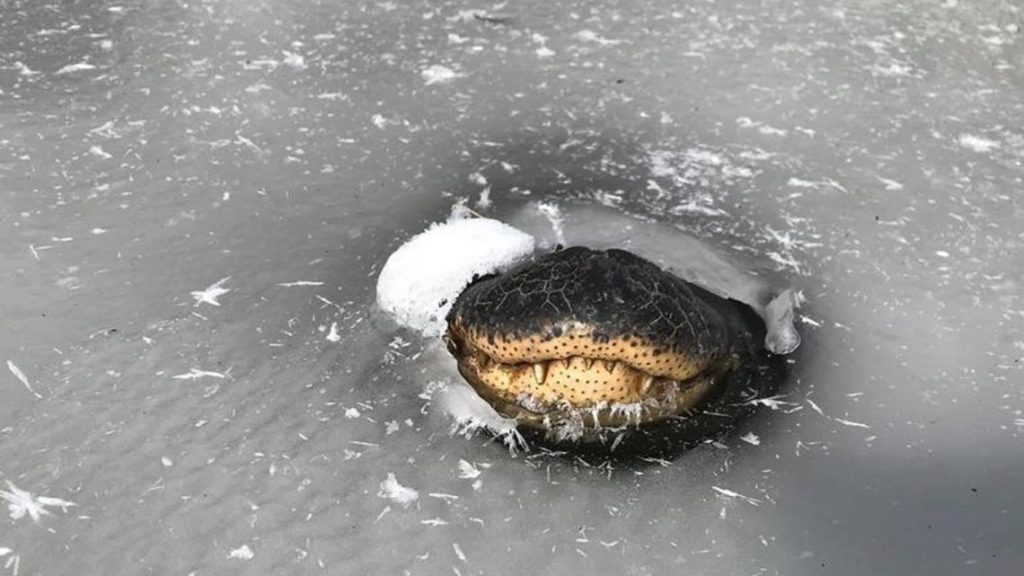
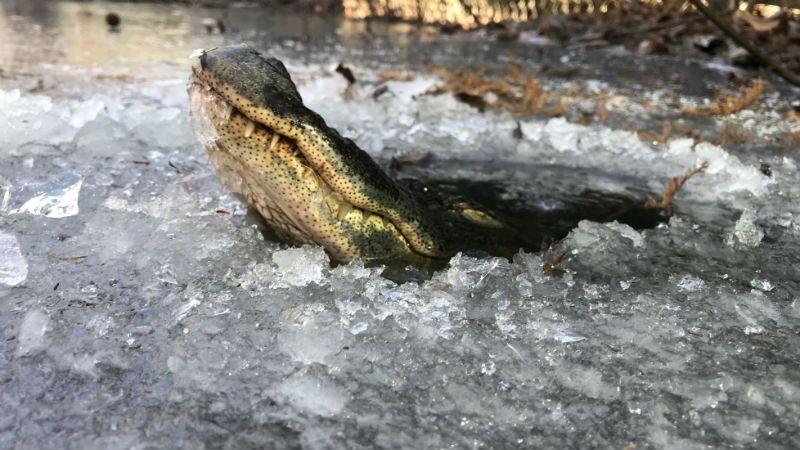
    When people think of alligators, they usually imagine powerful reptiles basking in the warm sun of swamps, rivers, and wetlands. These ancient predators are often associated with hot, humid climates, making it difficult to imagine them surviving freezing temperatures. Yet every winter, images and videos emerge showing alligators trapped in ice with only their snouts visible above the frozen surface. To many observers, these animals appear frozen solid and seemingly lifeless.

    The reality is even more fascinating than it looks.

    Alligators possess one of the most remarkable cold-weather survival strategies in the animal kingdom. Rather than fleeing from winter weather, they have evolved a unique ability to endure periods of extreme cold by dramatically slowing down their bodies and entering a state that helps them survive until temperatures rise again.

    This incredible adaptation has fascinated scientists, wildlife experts, and animal lovers around the world. Understanding how alligators survive freezing conditions provides valuable insight into reptile biology, evolution, and the extraordinary ways animals adapt to challenging environments.

    The Surprising Relationship Between Alligators and Cold Weather

    The American alligator is primarily found throughout the southeastern United States, particularly in wetlands, marshes, rivers, lakes, and swamps. Although these regions are known for warm temperatures, winter cold snaps occasionally occur, especially in northern parts of the alligator’s range.

    Unlike mammals and birds, alligators are ectothermic animals, commonly referred to as cold-blooded. This means they cannot internally regulate their body temperature the way humans can. Instead, their body temperature depends largely on the surrounding environment.

    Because of this, cold weather presents a significant challenge. As temperatures drop, an alligator’s metabolism slows dramatically. Movement becomes sluggish, digestion slows, and overall activity decreases.

    For most of the year, this is not a problem. However, when temperatures fall below freezing and water bodies begin turning to ice, survival becomes much more complicated.

    What Happens When the Water Freezes?

    As winter temperatures approach freezing levels, alligators begin preparing for the cold. They seek deeper sections of ponds, marshes, and wetlands where water temperatures remain more stable.

    However, during particularly severe cold spells, even these waters may freeze at the surface.

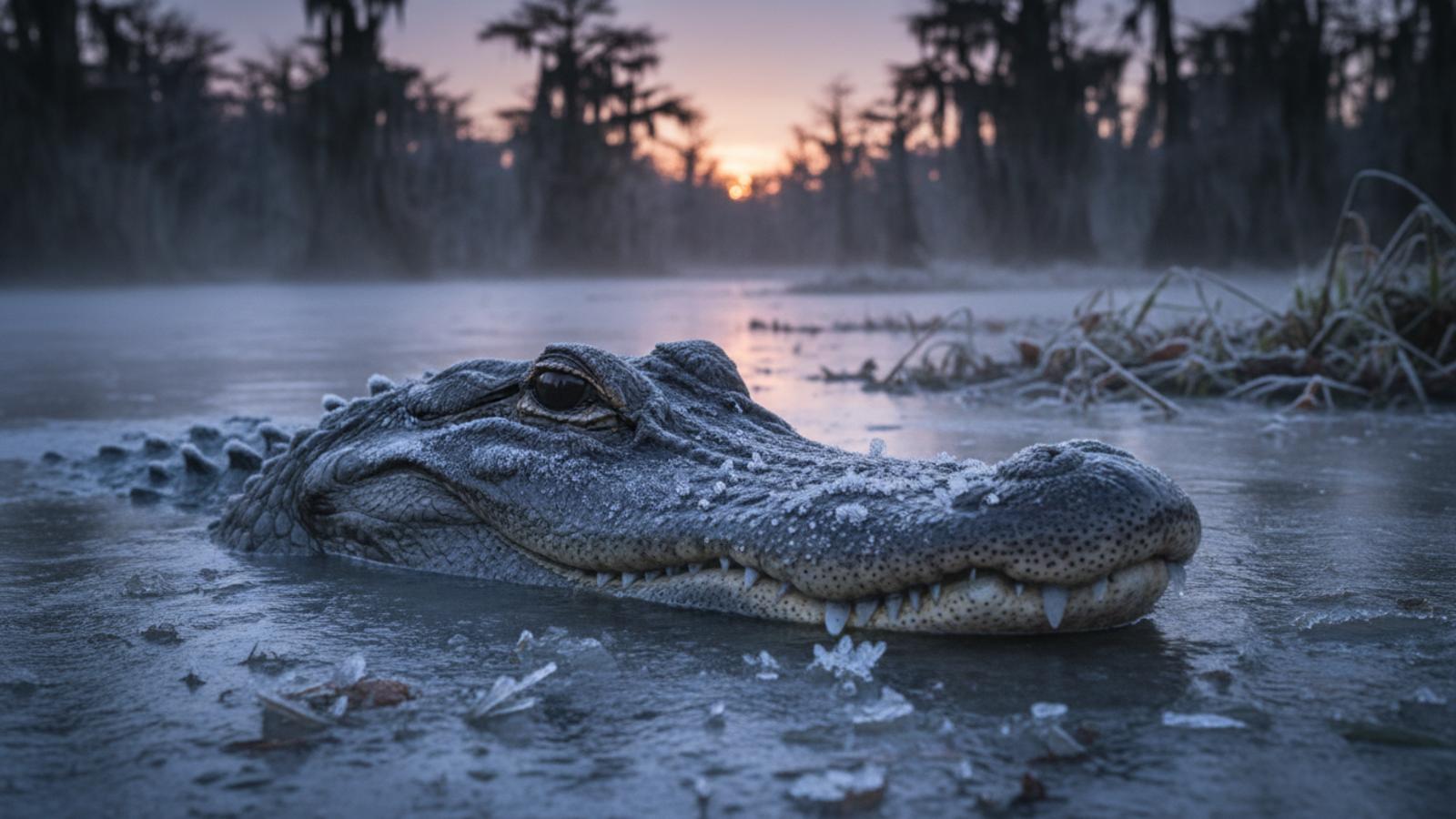
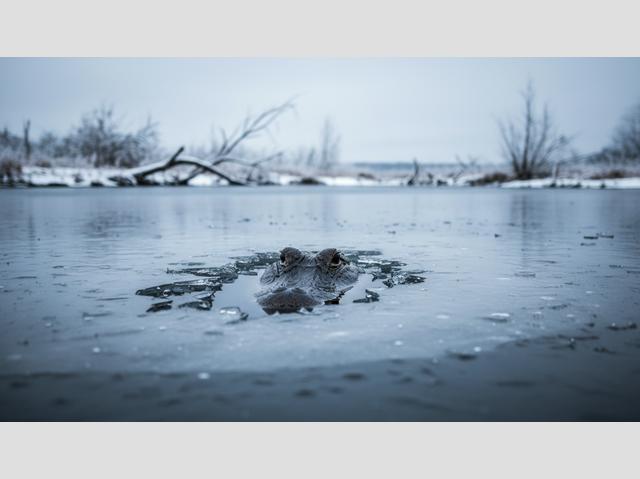
    Rather than panicking or attempting to leave, alligators use a strategy that has amazed scientists and wildlife observers alike. Before the surface completely freezes, they position themselves in shallow water with the tip of their snout extending above the surface.

    As the ice forms, the snout remains exposed while the rest of the body becomes submerged beneath the frozen layer.

    To an observer, it may look as though the alligator has become trapped in ice. In reality, the animal has carefully positioned itself to maintain access to air while entering a low-energy survival state.

    This behavior allows the reptile to continue breathing even while surrounded by freezing conditions.

    The Science Behind Brumation

    Many people compare this frozen state to hibernation, but reptiles actually undergo a different process known as brumation.

    Brumation is a period of dormancy experienced by reptiles during cold weather. While it shares similarities with hibernation, there are important differences.

    During brumation, an alligator’s metabolism slows significantly. Heart rate decreases, energy consumption drops, and movement becomes minimal. The animal conserves precious energy reserves while waiting for environmental conditions to improve.

    Unlike hibernating mammals, reptiles in brumation may occasionally become active during warmer periods. If temperatures temporarily rise, an alligator might move around before returning to its dormant state when cold weather returns.

    This flexibility helps them respond to changing environmental conditions while conserving energy during extended cold periods.

    Why the Snout Is So Important

    The most recognizable feature of a frozen alligator is its snout sticking out of the ice.

    This position serves a critical purpose.

    Like all reptiles, alligators require oxygen to survive. By keeping their nostrils above the frozen surface, they maintain access to air even when the surrounding water is covered by ice.

    The snout effectively acts as a breathing tube.

    Without this adaptation, an alligator trapped beneath a frozen layer could face serious difficulties obtaining oxygen. Positioning the snout before freezing occurs ensures the animal can continue breathing throughout the cold spell.

    This behavior demonstrates a remarkable awareness of environmental changes and highlights the evolutionary adaptations that have helped alligators survive for millions of years.

    How Long Can Alligators Remain Frozen?

    One of the most common questions people ask is how long an alligator can survive in these conditions.

    The answer depends on several factors, including temperature, ice thickness, water depth, and the overall health of the animal.

    In many cases, alligators can remain in their brumation state for days or even weeks if necessary. Because their metabolism slows dramatically, their energy requirements become extremely low.

    Once temperatures rise and ice begins melting, the animals gradually become more active.

    Observers have documented alligators appearing almost motionless during freezing weather, only to resume normal behavior once warmer temperatures return.

    This remarkable resilience allows them to survive conditions that might seem impossible for a reptile.

    An Ancient Survival Strategy

    Alligators belong to a lineage that dates back more than 200 million years. Their ancestors lived during the age of dinosaurs and survived multiple environmental changes throughout Earth’s history.

    The ability to endure cold temperatures likely played an important role in their long-term survival.

    Natural selection favored individuals capable of tolerating occasional cold periods. Over countless generations, behaviors such as brumation and strategic positioning during freezing weather became highly effective survival tools.

    Today, modern alligators continue to benefit from these ancient adaptations.

    Their success serves as a reminder that survival is not always about strength or aggression. Sometimes, the ability to slow down, conserve energy, and patiently endure difficult conditions is the key to long-term survival.

    Where Has This Behavior Been Observed?

    Some of the most famous observations have occurred in wildlife parks and wetlands located in North Carolina.

    During unusually cold winters, wildlife staff have documented alligators maintaining breathing holes through frozen surfaces by keeping their snouts exposed.

    Videos and photographs of these events frequently attract worldwide attention because they appear almost unbelievable.

    Many viewers assume the animals are frozen solid or even dead. In reality, the alligators are carefully managing their survival during extreme weather.

    Researchers continue studying these behaviors to better understand how reptiles respond to changing climates and environmental challenges.

    What Climate Change Could Mean for Alligators

    Climate change may influence alligator populations in several ways.

    Warmer average temperatures could expand suitable habitats into regions that were previously too cold. At the same time, unpredictable weather patterns may produce unusual cold snaps that challenge local populations.

    Scientists are monitoring how alligators adapt to changing environmental conditions. Understanding their responses helps researchers predict how wetland ecosystems may evolve in the future.

    Because alligators are considered important apex predators, their health often reflects the overall condition of the ecosystems they inhabit.

    Studying their winter survival strategies provides valuable information about environmental resilience and adaptation.

    Why This Survival Trick Fascinates Scientists

    The image of an alligator frozen in ice captures attention because it challenges common assumptions about reptiles.

    Most people associate reptiles with warmth and sunshine. Seeing one survive freezing conditions seems almost contradictory.

    Yet this phenomenon demonstrates the incredible adaptability of life on Earth.

    Through a combination of behavioral intelligence, physiological adaptation, and evolutionary history, alligators have developed a strategy that allows them to endure harsh winters that might otherwise prove fatal.

    Their ability to slow their metabolism, conserve energy, and maintain access to oxygen showcases one of nature’s most effective survival mechanisms.

    Conclusion

    The sight of an alligator seemingly frozen in ice is one of the most extraordinary wildlife phenomena in North America. Although it may appear alarming, the animal is actually employing a highly effective survival strategy that has evolved over millions of years.

    By entering a state of brumation, reducing energy consumption, and positioning its snout above the ice for breathing, the alligator can survive freezing temperatures that would otherwise threaten its survival.

    This remarkable adaptation highlights the resilience of one of Earth’s oldest reptile lineages and reminds us that nature often possesses solutions far more ingenious than we might imagine.

    The next time you see a photograph of an alligator with its snout sticking through a frozen pond, remember that you are witnessing an ancient survival technique—one that has helped these incredible reptiles endure for millions of years.

  • 7 Strange Things That Can Happen to Marine Life

    7 Strange Things That Can Happen to Marine Life

    Marine life is filled with mysteries that often seem stranger than science fiction. Beneath the ocean’s surface, animals have evolved extraordinary adaptations that allow them to survive in one of Earth’s most challenging environments. Some marine creatures can glow in the dark, change shape and color in seconds, survive extreme depths, or travel thousands of miles across open oceans.

    Scientists continue to discover remarkable behaviors and unusual biological traits in marine animals every year. These strange phenomena not only help animals survive but also reveal how diverse and complex life beneath the waves can be.

    In this article, we’ll explore seven strange things that can happen to marine life and discover why these incredible adaptations have fascinated researchers and ocean enthusiasts around the world.

    1.Some Marine Animals Glow in Complete Darkness

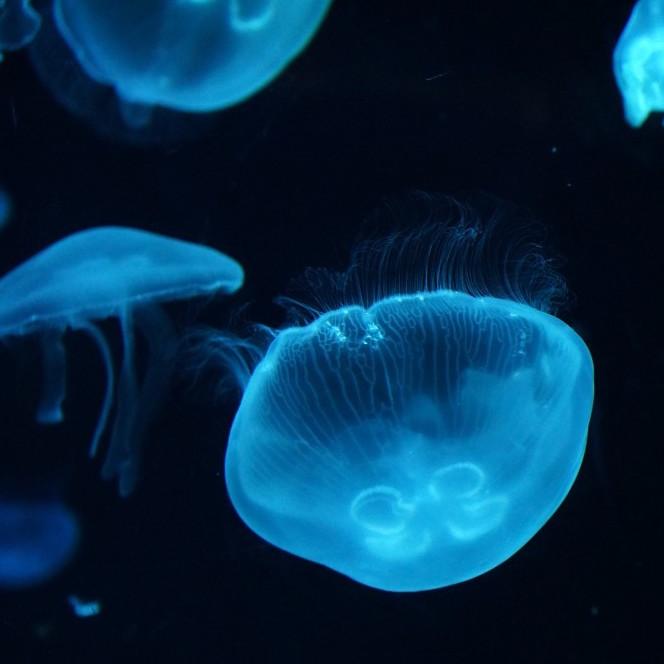
    One of the most spectacular phenomena in the ocean is bioluminescence. This natural ability allows living organisms to produce light through chemical reactions inside their bodies.

    Thousands of marine species possess this ability, including jellyfish, squid, fish, shrimp, and microscopic plankton. In the deep sea, where sunlight never reaches, bioluminescence becomes an essential survival tool.

    Some creatures use their glow to attract prey. Others use it to communicate with potential mates or confuse predators. Certain squid species can even adjust the brightness of their light to blend perfectly with the faint light coming from above, making them nearly invisible to predators below.

    Perhaps the most magical example occurs when bioluminescent plankton illuminate ocean waves at night. Beaches around the world occasionally glow with brilliant blue light as waves crash against the shore, creating a breathtaking natural display.

    This glowing ability may seem strange, but for many marine animals, it is simply part of everyday life.

    2.Octopuses Can Instantly Disappear

    Octopuses are among the most intelligent creatures in the ocean, and their camouflage abilities are truly extraordinary.

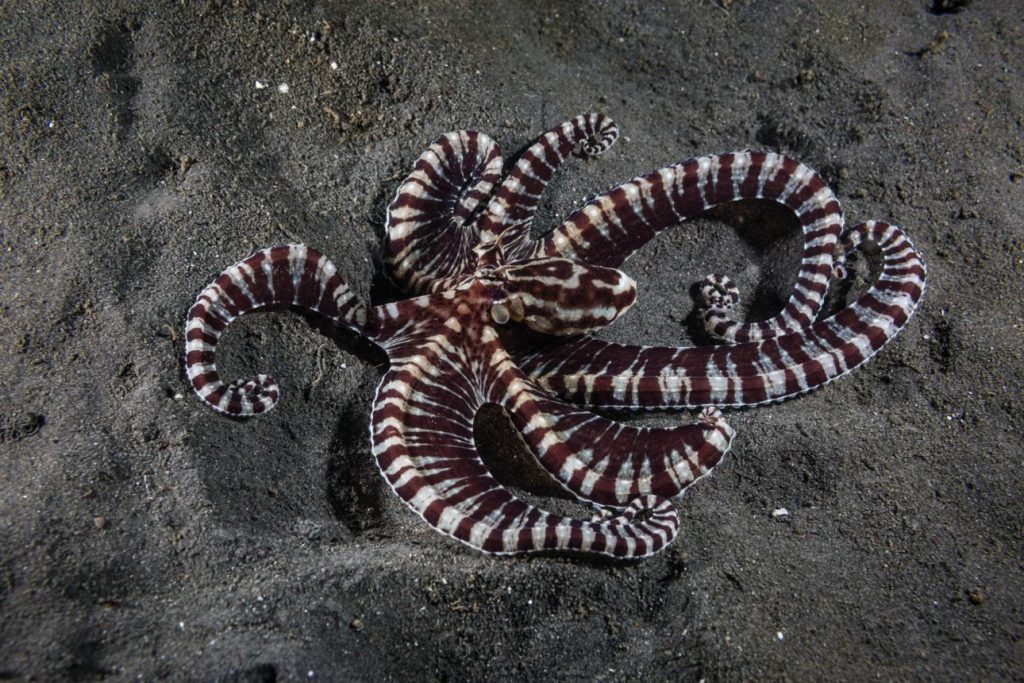
    Unlike most animals that rely on fixed colors or patterns, octopuses can change both the color and texture of their skin within seconds. Specialized cells called chromatophores allow them to rapidly alter their appearance.

    An octopus resting on a sandy seabed may become pale and smooth. Move it onto a rocky reef, and it can quickly adopt darker colors and rough textures that resemble surrounding rocks.

    Some species take camouflage even further. The mimic octopus can imitate the appearance and movements of entirely different animals, including lionfish, sea snakes, and flatfish.

    This remarkable ability helps octopuses avoid predators and sneak up on prey, making them some of the most effective masters of disguise in the animal kingdom.

    3.Fish Can Actually Fly

    At first glance, the idea of a flying fish sounds impossible. Yet several species have evolved the ability to glide above the ocean’s surface.

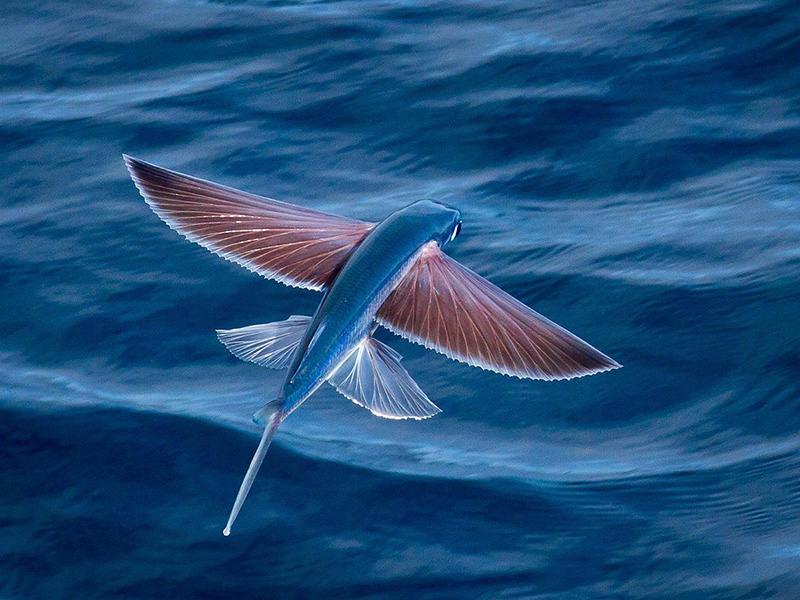
    Flying fish do not truly fly like birds. Instead, they launch themselves out of the water at high speed and spread their enlarged pectoral fins like wings.

    Using this technique, they can glide for hundreds of feet before returning to the sea. Some species can remain airborne for nearly a minute under ideal conditions.

    Scientists believe this unusual adaptation evolved primarily as a defense against predators such as tuna, dolphins, and larger fish.

    When threatened, a flying fish can burst from the water and escape into the air, often surprising both predators and observers alike.

    Watching dozens of flying fish glide across the ocean surface is one of the most unusual sights in marine nature.

    4.Deep-Sea Creatures Can Survive Crushing Pressure

    The deepest parts of the ocean represent one of the harshest environments on Earth.

    At depths of several miles below the surface, pressure becomes immense. Temperatures are near freezing, and complete darkness dominates the environment.

    Yet many marine animals thrive under these conditions.

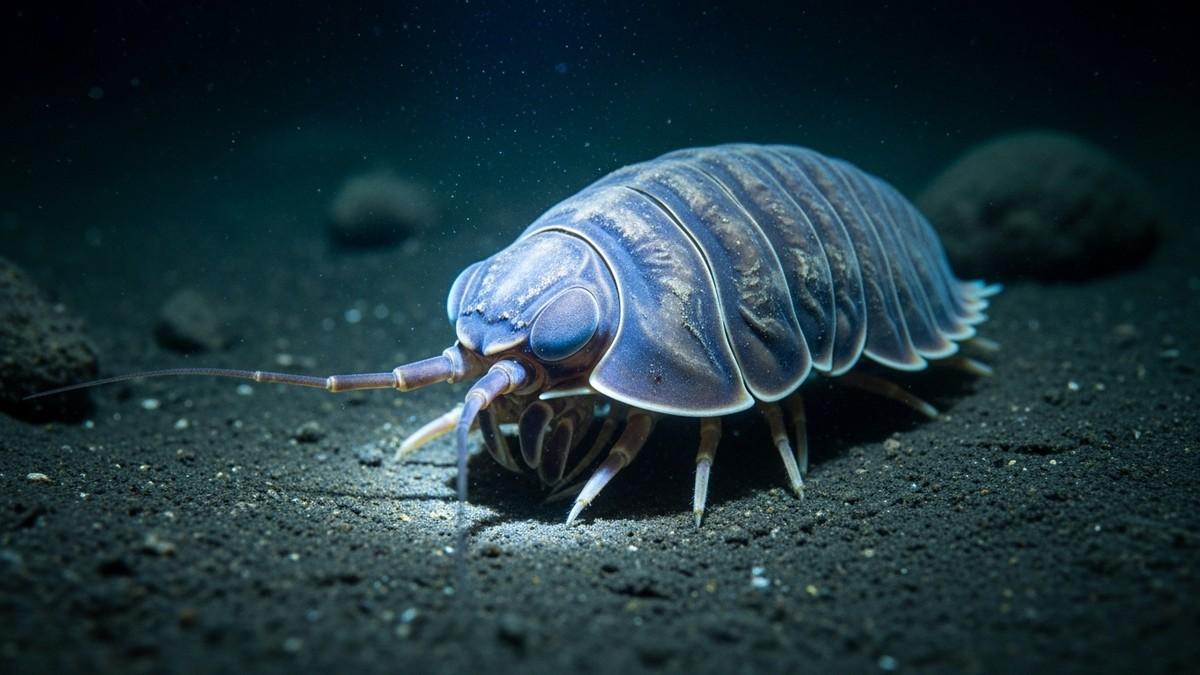
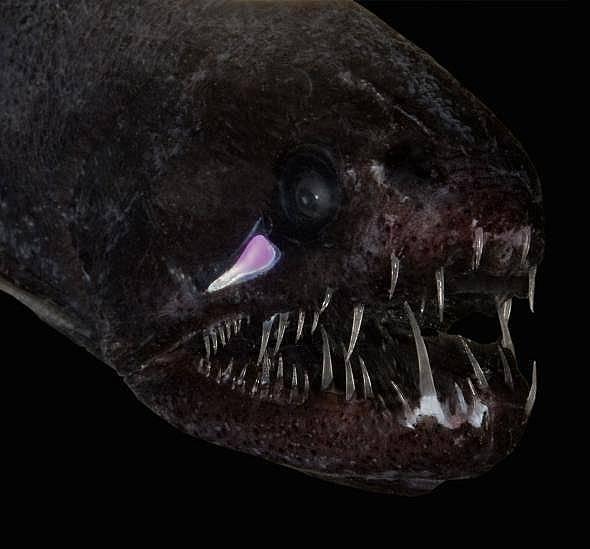
    Deep-sea fish, giant isopods, tube worms, and numerous other species have evolved unique biological adaptations that allow them to withstand pressures hundreds of times greater than what humans experience at sea level.

    Some deep-sea animals possess flexible bodies with fewer air-filled spaces, preventing them from being crushed. Others rely on specialized proteins that continue functioning under extreme pressure.

    Many of these creatures look alien compared to familiar marine animals, which is why deep-sea explorations often reveal some of the strangest organisms ever discovered.

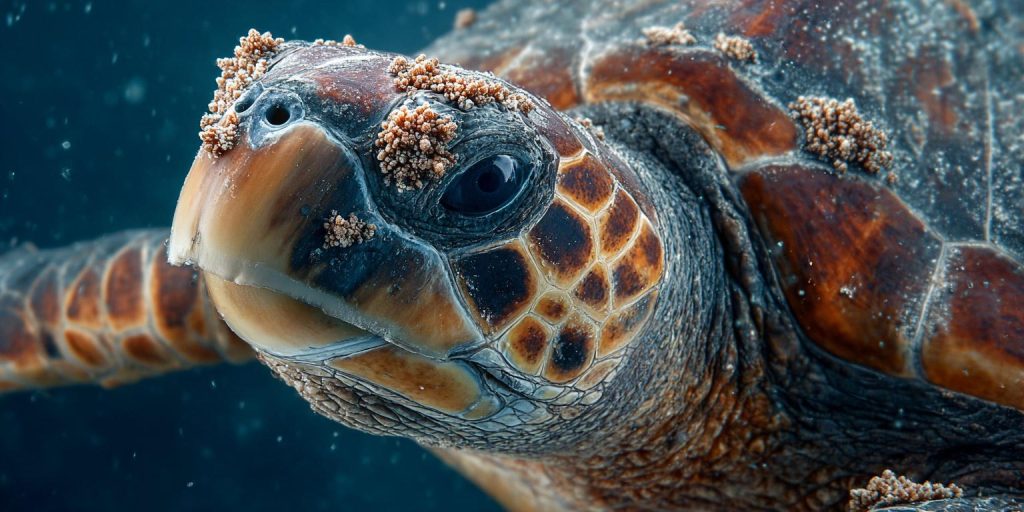
    5.Sea Turtles Carry Entire Ecosystems on Their Shells

    Sea turtles spend much of their lives traveling through oceans, sometimes covering thousands of miles during migration.

    During these journeys, their shells often become home to a variety of marine organisms.

    Barnacles, algae, small crustaceans, and other organisms attach themselves to turtle shells and live there for extended periods. In some cases, dozens of species may be found on a single turtle.

    This creates what scientists sometimes describe as a miniature ecosystem traveling through the ocean.

    Although a moderate number of hitchhikers usually causes little harm, excessive growth can increase drag and make swimming more difficult for turtles.

    The sight of a sea turtle carrying an entire community of marine life demonstrates just how interconnected ocean ecosystems can be.

    5.Some Fish Change Gender During Their Lifetime

    Among the strangest biological phenomena in the ocean is sequential hermaphroditism—the ability of some fish to change sex during their lifetime.

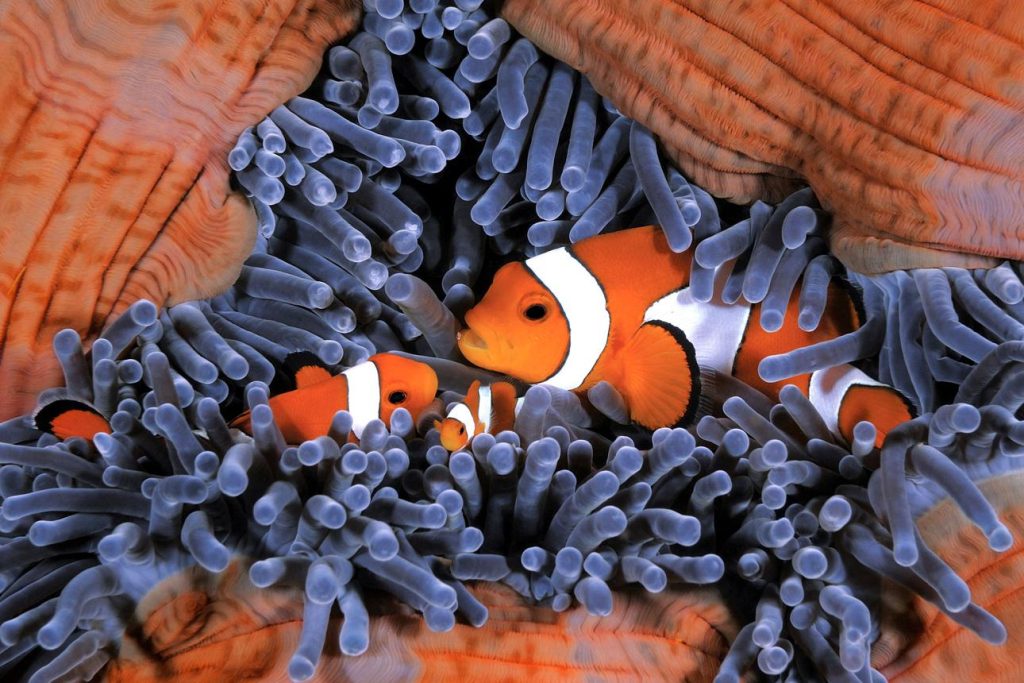
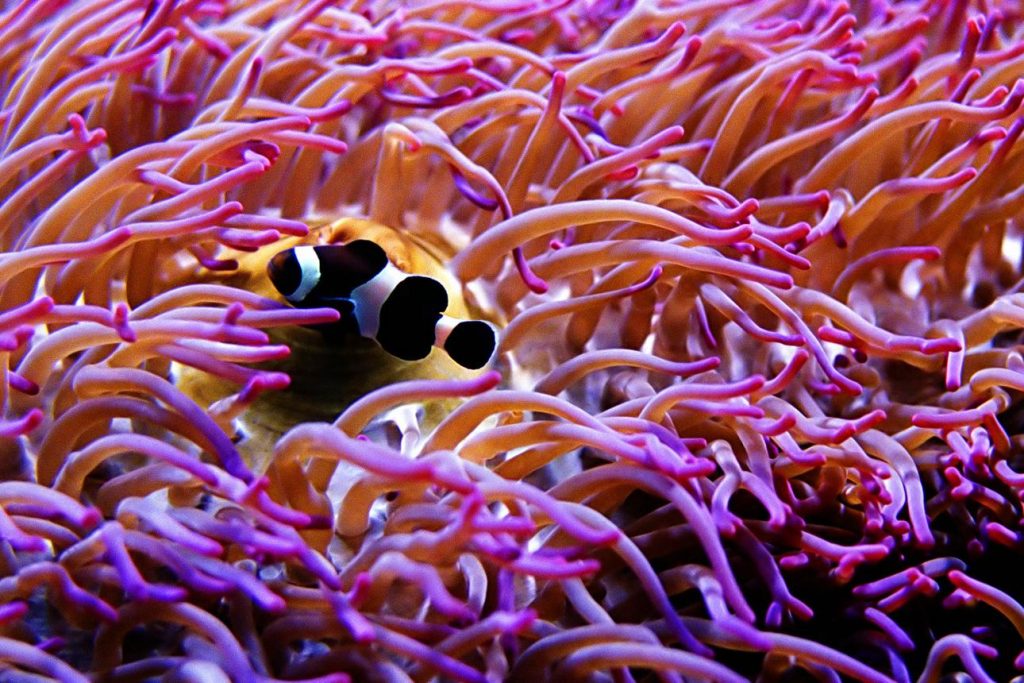
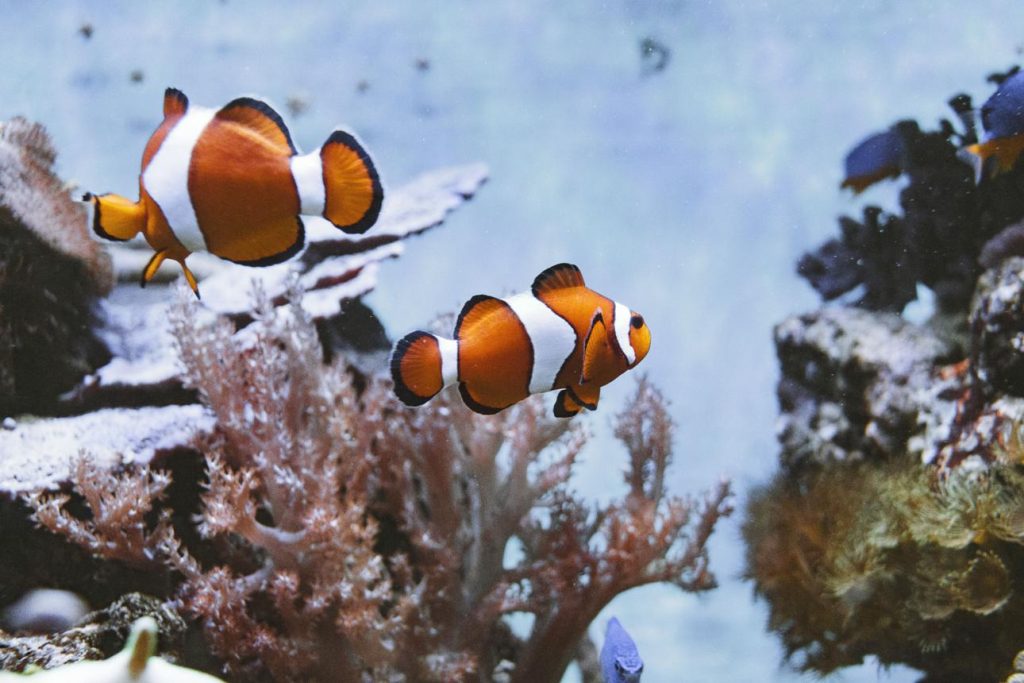
    Clownfish provide one of the most famous examples. Groups of clownfish typically contain a dominant breeding female. If she dies, the largest male can transform into a female and assume her role.

    Other species perform the opposite transition, beginning life as females and later becoming males.

    This remarkable flexibility helps maintain stable breeding populations and improves reproductive success in environments where finding mates can be challenging.

    While such transformations may seem extraordinary to humans, they are a normal and highly effective survival strategy for many marine species.

    7.Whales Communicate Across Vast Distances

    Whales are famous for their haunting songs, but the scale of their communication is truly astonishing.

    Sound travels much farther through water than through air. As a result, whale calls can travel for hundreds or even thousands of miles under the right conditions.

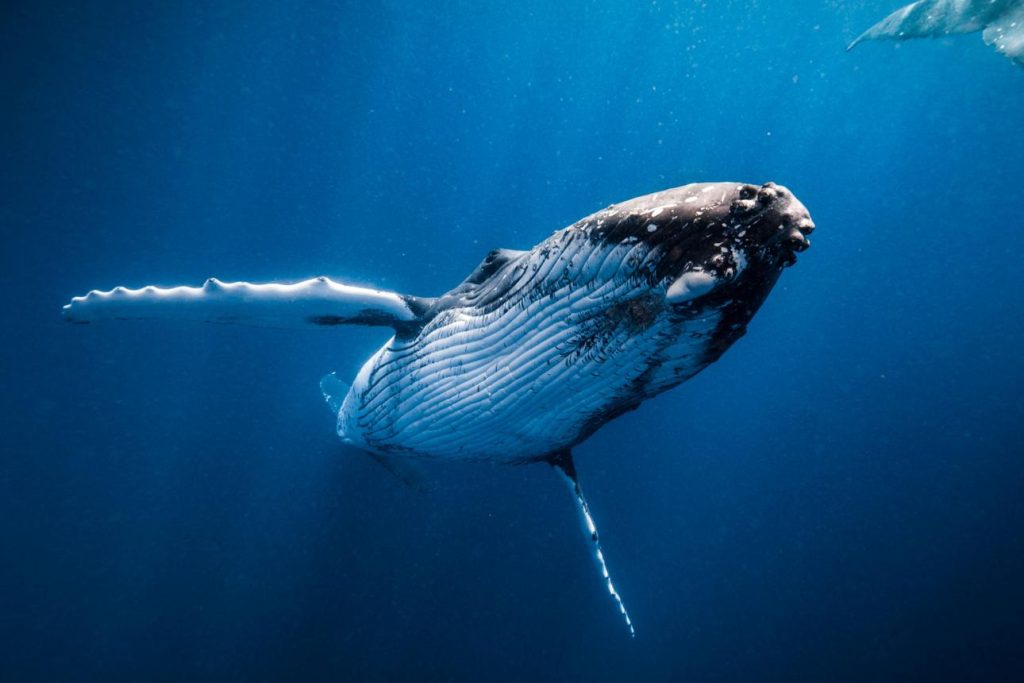
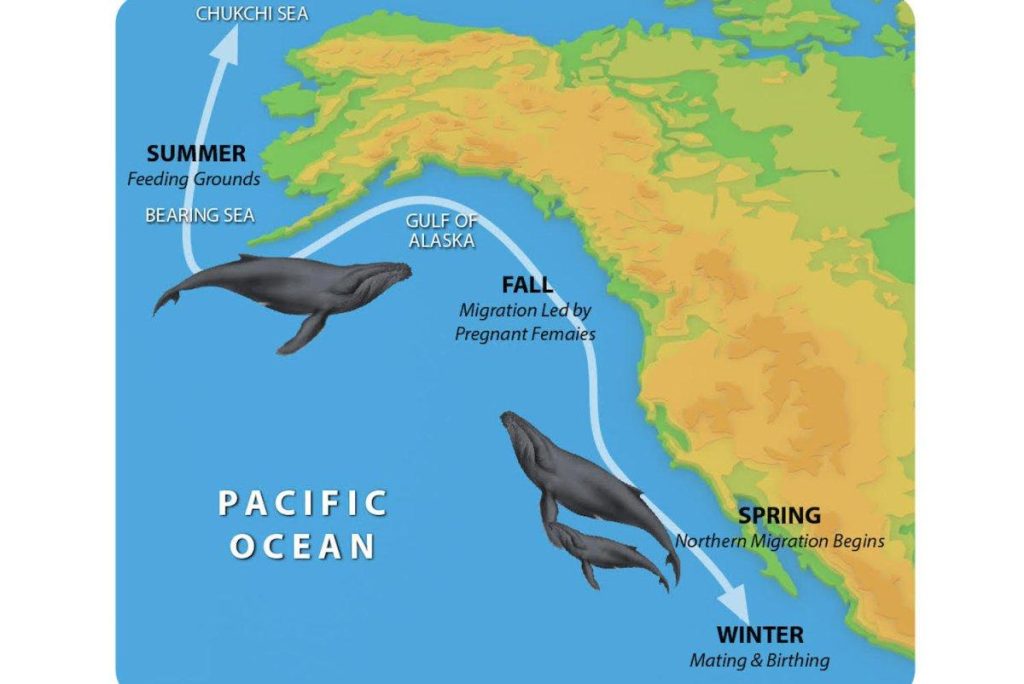
    Species such as humpback whales produce complex songs that may last for hours. These vocalizations are believed to play important roles in communication, navigation, and mating behavior.

    Researchers have discovered that whale songs can evolve over time, with entire populations gradually adopting new patterns and melodies.

    This means that whales may share cultural behaviors across large ocean regions, a phenomenon once thought unique to humans and a few other highly intelligent animals.

    The idea that whales can communicate across vast stretches of ocean remains one of the most fascinating aspects of marine life.

    Conclusion

    The ocean remains one of the least explored places on Earth, and marine animals continue to surprise scientists with their incredible adaptations. From glowing jellyfish and shape-shifting octopuses to flying fish and gender-changing reef species, marine life demonstrates that nature is capable of astonishing innovation.

    These strange phenomena are not merely curiosities—they are survival strategies developed over millions of years of evolution. Every unusual behavior helps an animal thrive in an environment that is constantly changing and often unforgiving.

    As researchers continue exploring the world’s oceans, there is little doubt that even more remarkable discoveries await. The deeper we look beneath the waves, the more we realize that the ocean is home to some of the strangest and most extraordinary forms of life on our planet.

    SEO Title: 7 Strange Things That Can Happen to Marine Life

    Meta Description: Discover 7 amazing and unusual things that can happen to marine life, from glowing ocean creatures and flying fish to gender-changing species and whales that communicate across vast distances.

  • 7 Strange Things That Can Happen to Endangered Species

    7 Strange Things That Can Happen to Endangered Species

    Endangered species are some of the rarest and most fascinating creatures on Earth. Because their populations are small and their habitats are constantly changing, these animals often experience unusual events and behaviors that scientists are still trying to understand. From changing gender to adopting new survival skills, endangered species can sometimes do things that seem almost unbelievable.

    Here are seven strange things that can happen to endangered species.

    1.Some Endangered Animals Can Change Their Gender

    One of the strangest phenomena in nature is the ability of certain animals to change their sex. Among some fish species, including populations that face conservation concerns in certain regions, individuals can switch from male to female when needed.

    This remarkable adaptation helps maintain breeding populations when mates become scarce. If the dominant female disappears, a male may transform into a female and take her place.

    Scientists believe this ability increases the chances of survival for small populations and helps endangered groups continue reproducing despite declining numbers.

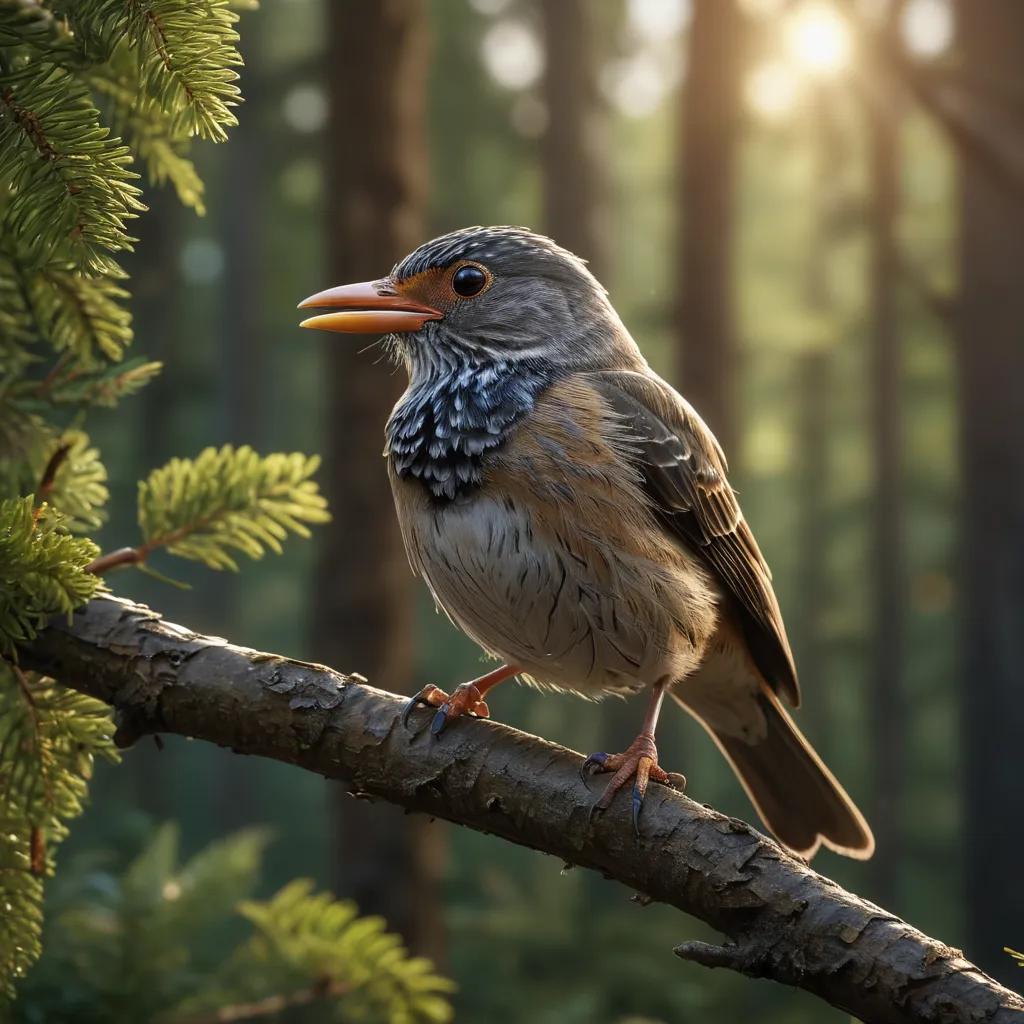
    2.Rare Birds Sometimes Learn New Songs From Human Noise

    Many endangered bird species depend on songs to attract mates and defend territories. However, habitat loss and increasing human activity have created a surprising challenge.

    Some birds have begun altering their songs to compete with traffic, machinery, and urban noise. Scientists have discovered that certain birds sing at higher pitches or different times of day to make themselves heard.

    This unusual adaptation demonstrates how wildlife can respond to environmental changes in unexpected ways.

    In some cases, young birds may even learn modified songs from older generations, creating entirely new vocal traditions.

    3.Endangered Species Can Become Nocturnal

    Animals that were once active during the day sometimes become creatures of the night.

    As human populations expand into natural habitats, endangered species often encounter more people, vehicles, and development. To avoid these disturbances, some animals shift their activity patterns.

    Researchers have observed endangered mammals becoming increasingly nocturnal, hunting and traveling under the cover of darkness rather than during daylight hours.

    While this strategy helps them avoid danger, it can also affect feeding habits, social interactions, and reproduction.

    4.Some Animals Raise Babies That Aren’t Their Own

    Adoption is not limited to humans.

    Among endangered species, scientists have occasionally observed adults caring for orphaned young that are not their biological offspring.

    This behavior has been documented in various mammals, including primates and elephants. Adult animals may feed, protect, and nurture unrelated young after the loss of their parents.

    Such acts increase the survival chances of vulnerable offspring and may help maintain population numbers when every individual matters.

    For species on the brink of extinction, these unexpected acts of care can play an important role in conservation.

    5.Endangered Animals Sometimes Forget Natural Survival Skills

    Conservation programs have successfully bred many endangered species in captivity. However, an unusual challenge sometimes arises.

    Animals raised in protected environments may fail to learn important survival skills such as hunting, avoiding predators, or finding food.

    When reintroduced into the wild, these animals often require special training to help them adapt.

    Conservationists may use simulated predators, natural feeding exercises, and social learning programs to prepare animals for life outside captivity.

    This strange situation highlights how survival is not based solely on genetics but also on learned behavior.

    6.Tiny Populations Can Develop Unusual Physical Traits

    When animal populations become very small, genetic diversity decreases.

    As a result, unusual physical characteristics may appear more frequently. Scientists sometimes observe rare color patterns, body shapes, or other distinctive traits in endangered populations.

    While some changes are harmless, others can create health challenges or reduce survival rates.

    Conservation programs often work to increase genetic diversity by carefully managing breeding populations and protecting habitat connections.

    These efforts help ensure healthier future generations.

    7.Endangered Species Can Learn to Use Human-Made Objects

    Some endangered animals have displayed remarkable intelligence by adapting to modern environments.

    Researchers have observed certain species using human-made materials as tools, shelter components, or food-gathering aids.

    Birds may incorporate wires or plastic into nests. Mammals may learn to open containers or navigate obstacles created by people.

    These behaviors show how adaptable wildlife can be when faced with rapidly changing conditions.

    Although such innovations may help animals survive, they also remind us of the growing influence humans have on ecosystems worldwide.

    Why Protecting Endangered Species Matters

    Endangered species are more than just rare animals. They are essential parts of ecosystems that help maintain nature’s balance. Every species plays a unique role, whether it spreads seeds, controls pests, pollinates plants, or supports food chains.

    When endangered species disappear, entire ecosystems can suffer. Protecting these animals helps preserve biodiversity and ensures that future generations can continue to experience the incredible variety of life on Earth.

    The strange behaviors and adaptations described above demonstrate just how resilient wildlife can be. Yet even the most adaptable species need healthy habitats and conservation support to survive.

    By protecting endangered animals today, we help safeguard the natural world for tomorrow.

  • 5 Strange and Amazing Things That Can Happen to Monkeys

    5 Strange and Amazing Things That Can Happen to Monkeys

    1. Monkeys Can Become Expert Thieves

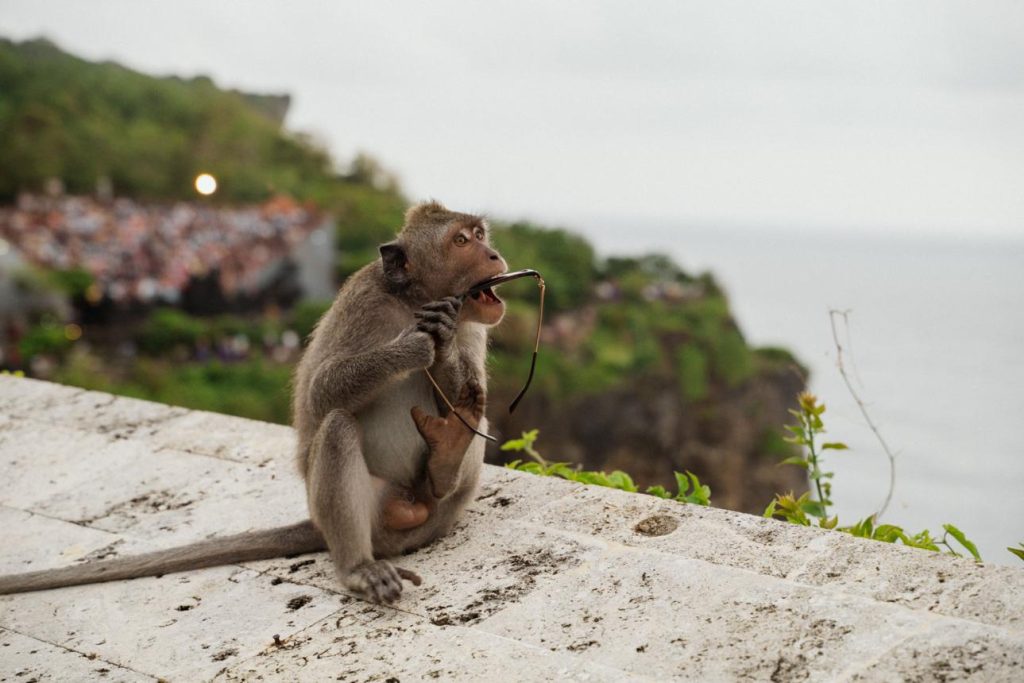
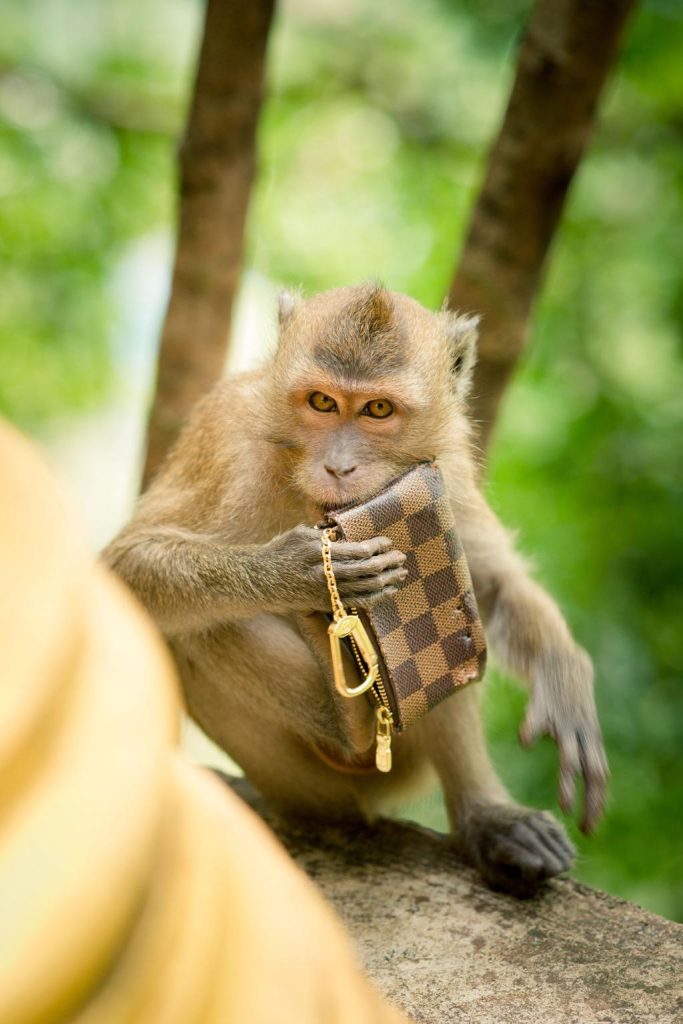
    In some tourist areas, monkeys have learned that stolen items can be exchanged for food. Certain groups of macaques will snatch sunglasses, hats, or even phones from visitors. They then wait for people to offer food in return for the stolen item. Researchers have observed that some monkeys become surprisingly skilled at choosing valuable objects to steal.

    2.Some Monkeys Wash Their Food Before Eating It

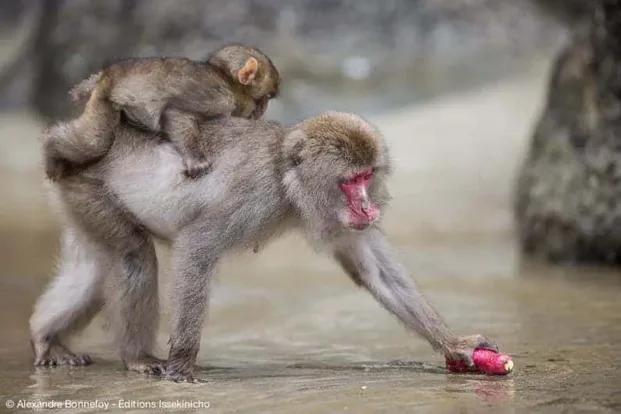
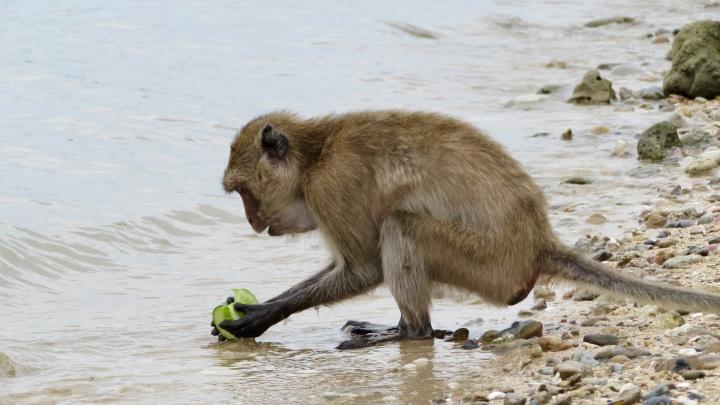
    The Japanese Macaque is famous for an unusual habit discovered in the 1950s. A young monkey started washing sandy sweet potatoes in water before eating them. Other monkeys copied the behavior, and soon it spread through the troop. This is considered one of the best examples of cultural learning in wild animals.

    3.Monkeys Can Use Stone Tools

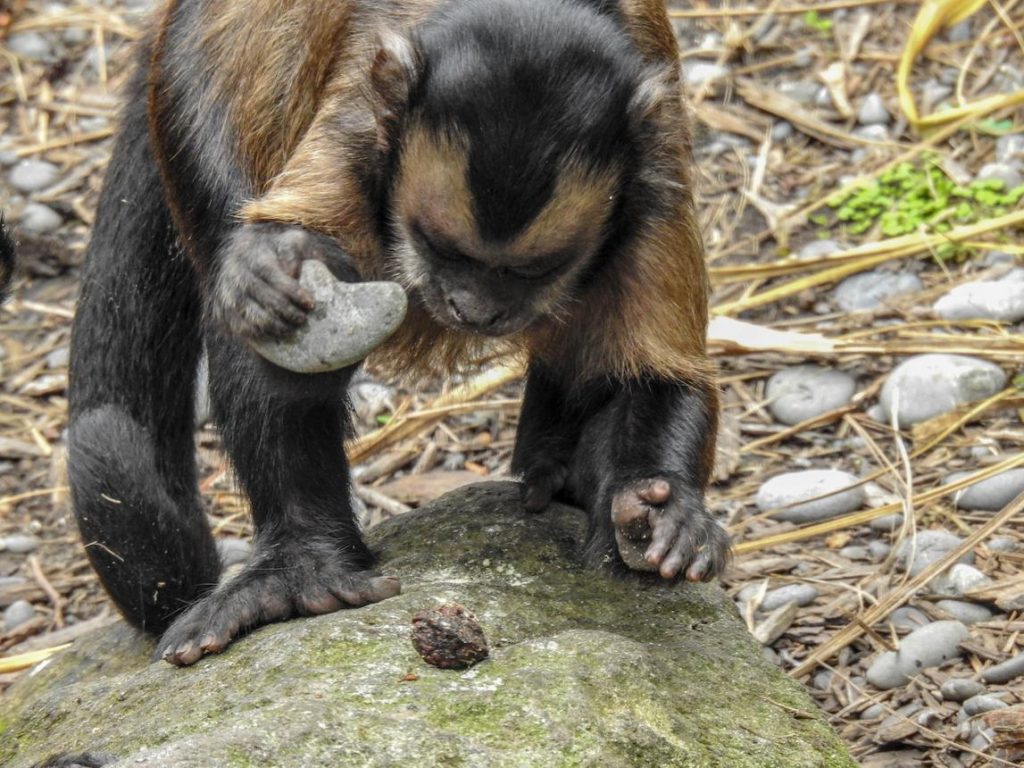
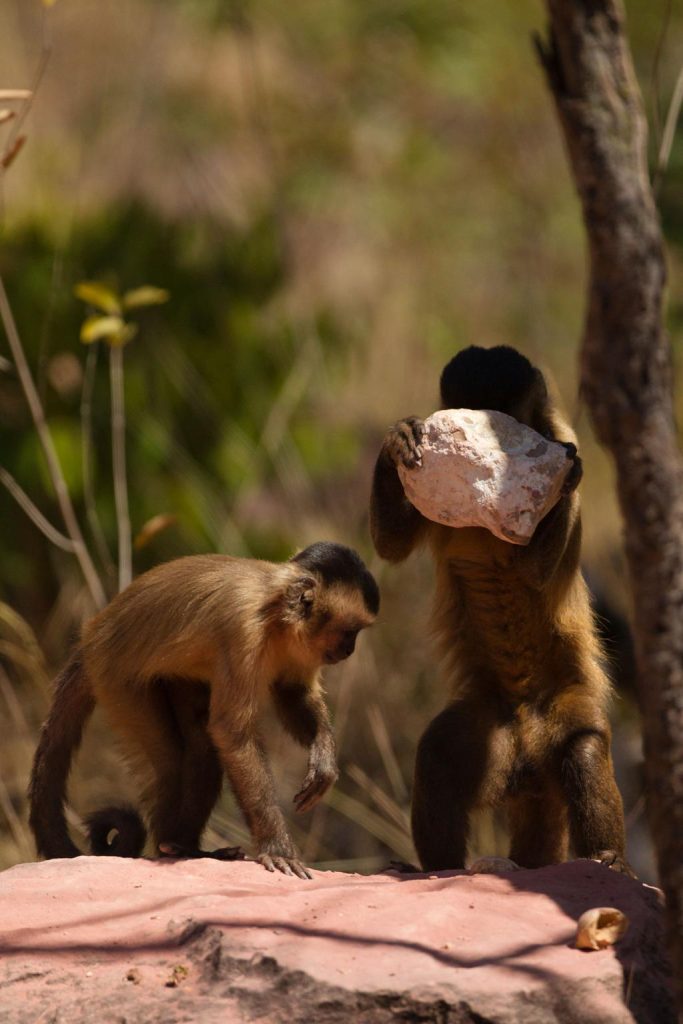
    Some monkeys have learned to use rocks as tools. Wild capuchin monkeys place hard nuts on flat stones and crack them open with another stone. Young monkeys spend years practicing before mastering the technique, much like children learning a new skill.

    4.Monkeys Sometimes Adopt Other Animals

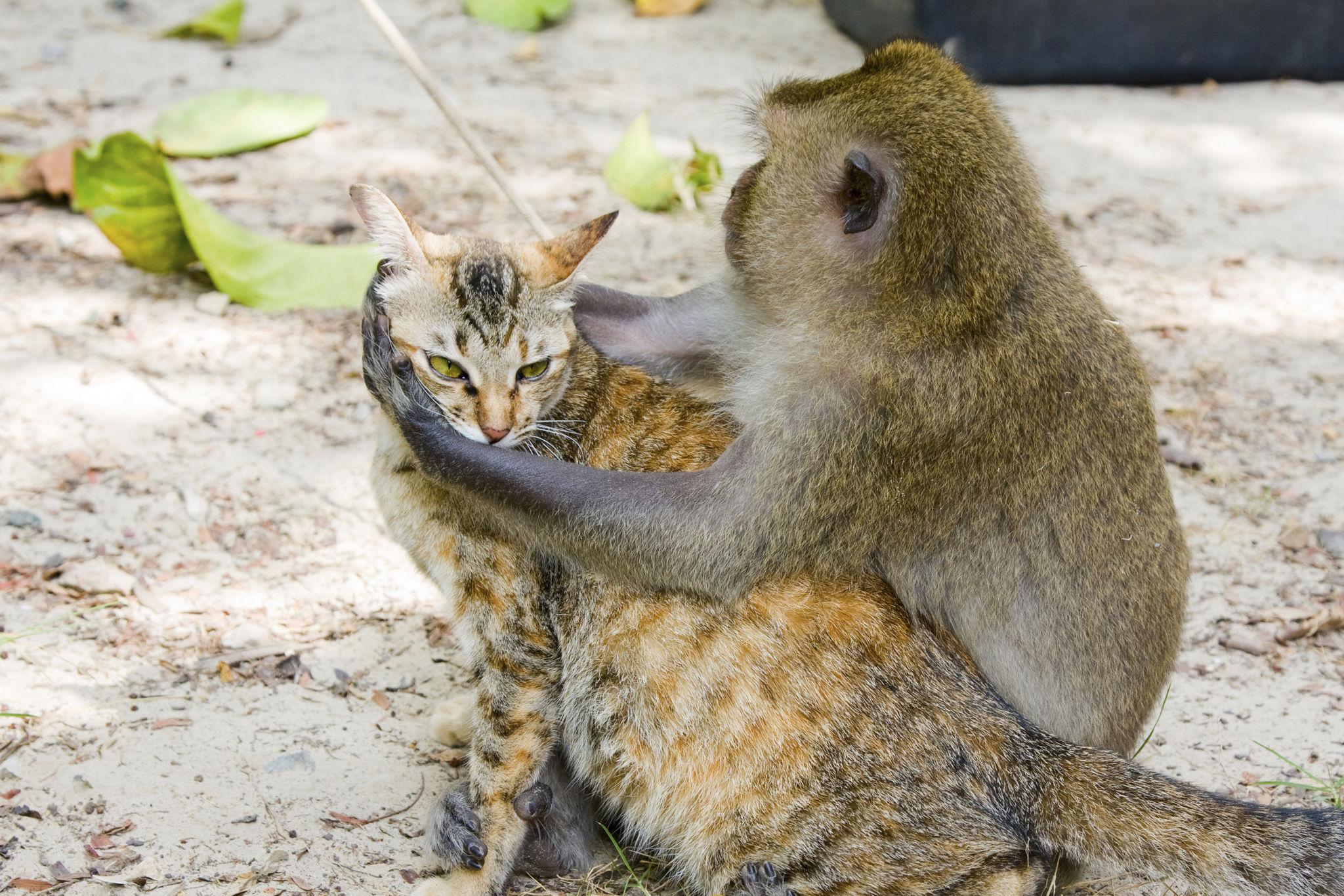
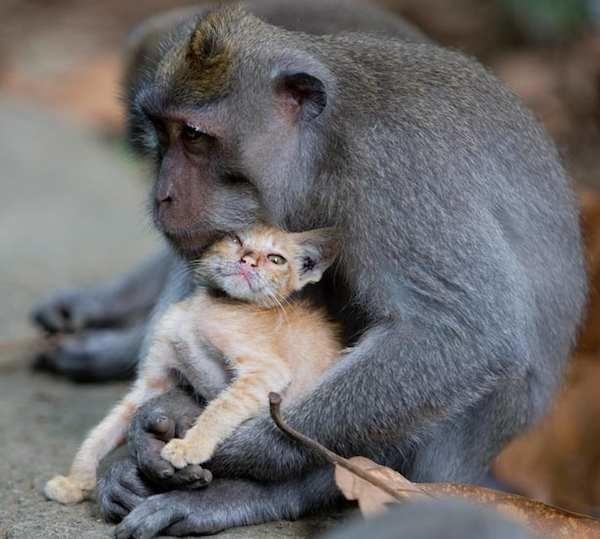
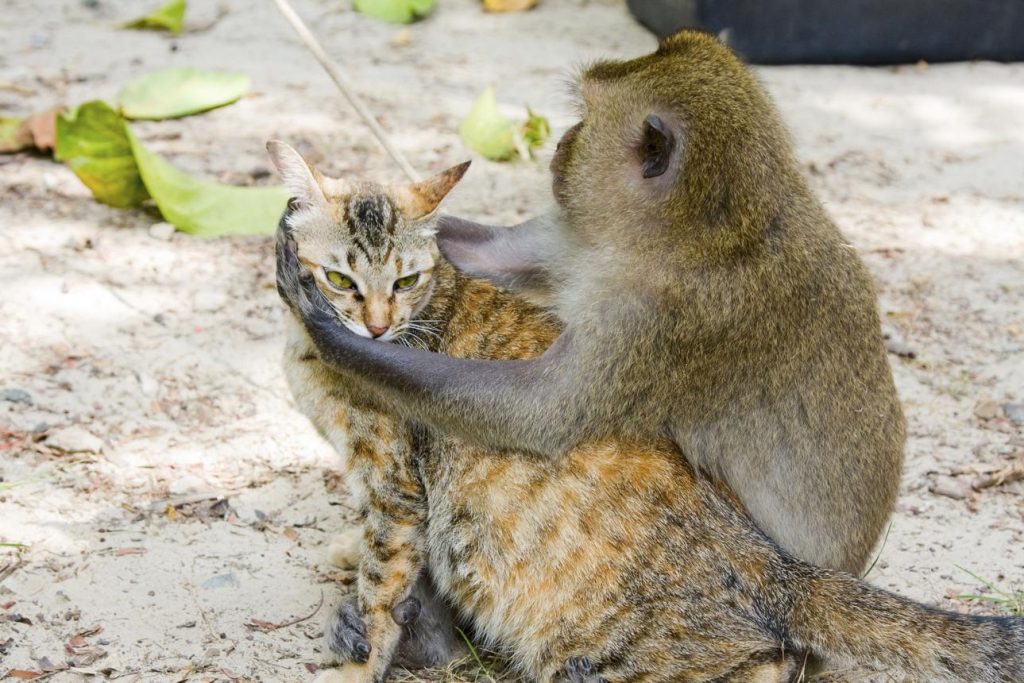
    There have been surprising reports of monkeys caring for abandoned kittens and other small animals. In some cases, monkeys have been observed grooming, protecting, and carrying these animals as if they were members of their own family. Scientists are still studying why this unusual behavior occurs.

    5.Some Monkeys Have Blue Faces

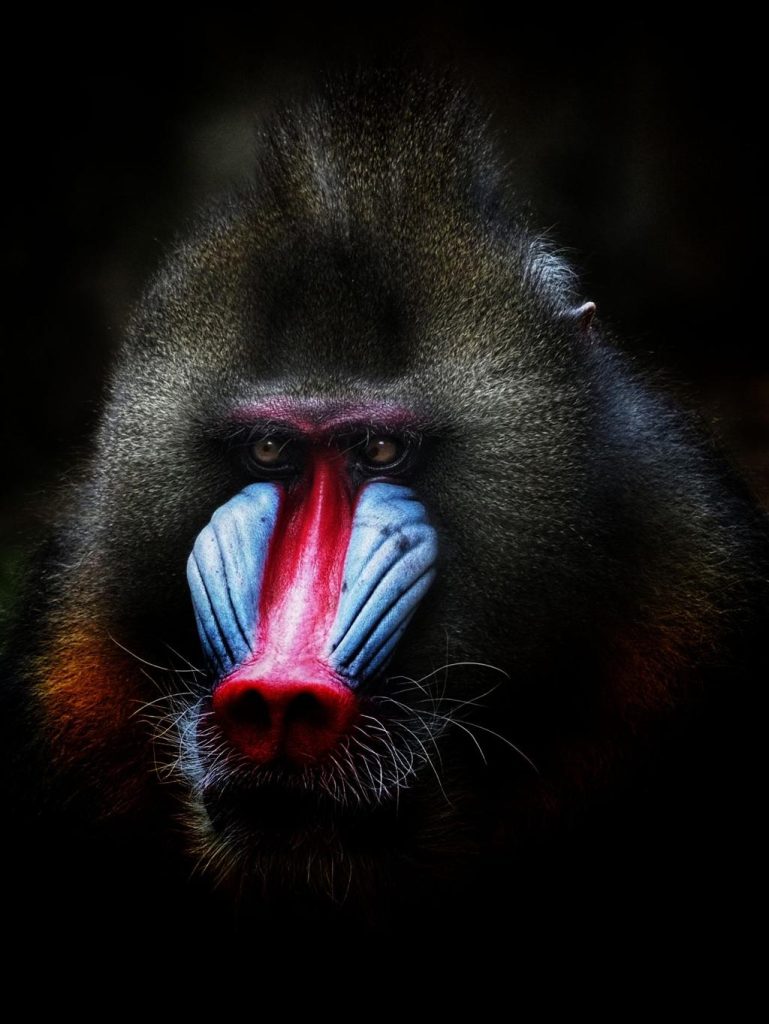
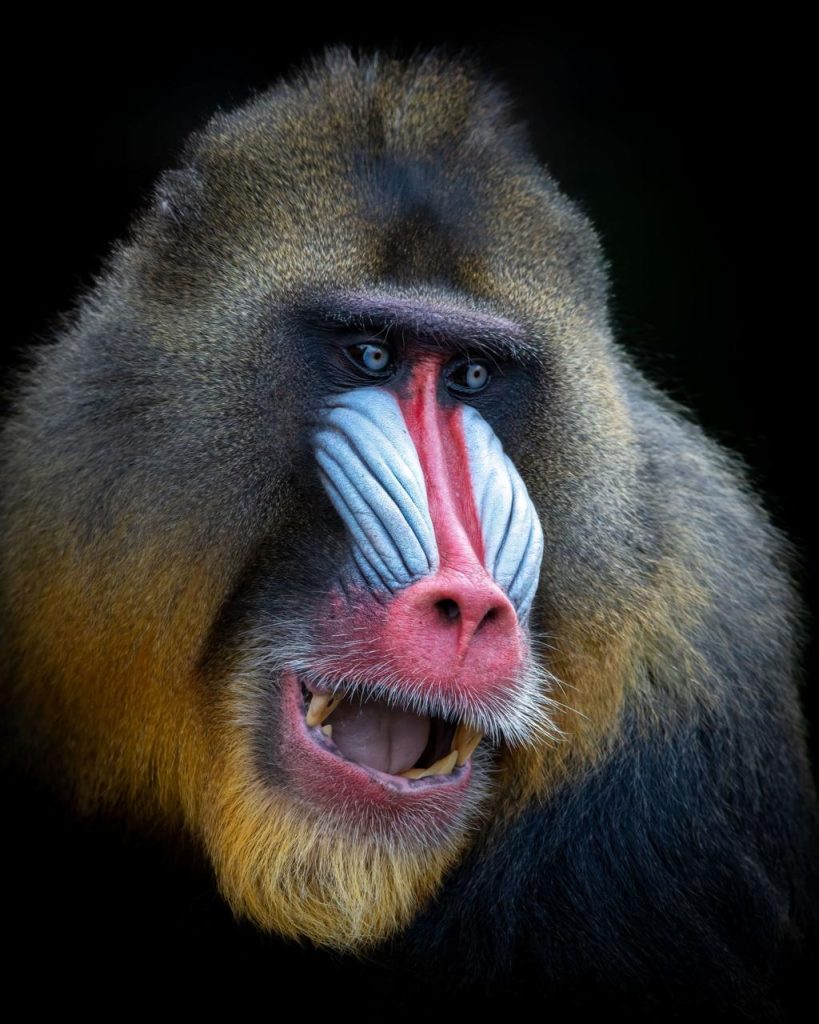
    The Mandrill is one of the most colorful mammals on Earth. Adult males develop bright blue and red facial markings that become more vivid as they grow stronger and healthier. These striking colors help them attract mates and communicate with other monkeys.

    Conclusion

    Monkeys are intelligent, adaptable animals capable of surprising behaviors. They can wash food, use tools, adopt other animals, become skilled thieves, and even display brilliant colors. These remarkable traits show just how fascinating and complex the monkey world can be.

  • 5 Strange Things That Can Happen to Birds

    5 Strange Things That Can Happen to Birds

    Birds are some of the most fascinating animals on Earth. While many people know that birds can fly, sing, and migrate, they can also experience some truly unusual events and behaviors. Here are five strange things that can happen to birds.

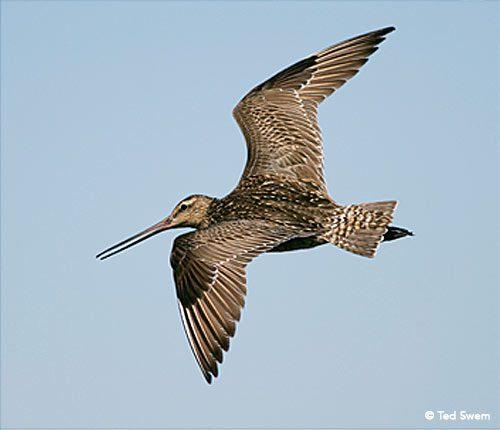
    1.Birds Can Fly Thousands of Miles Without Stopping

    Some birds undertake incredible migrations. The Bar-tailed Godwit holds records for nonstop flights lasting more than a week. These birds travel from Alaska to New Zealand across the Pacific Ocean without landing, eating, or drinking.

    Scientists believe they prepare by storing large amounts of body fat, which serves as fuel for the entire journey.

    2.Some Birds Can Sleep While Flying

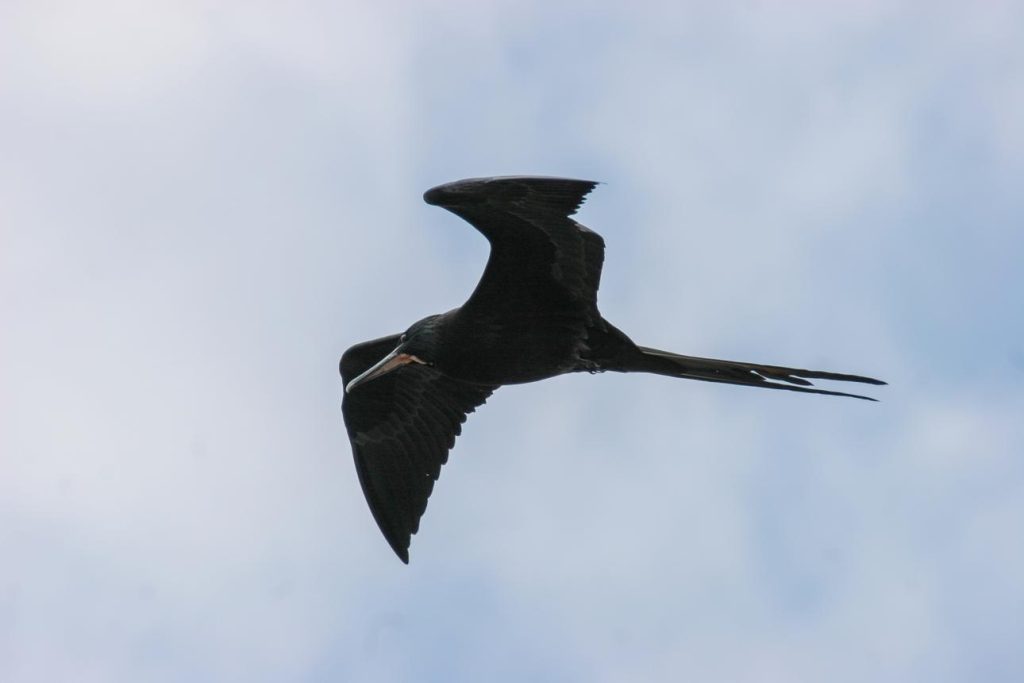
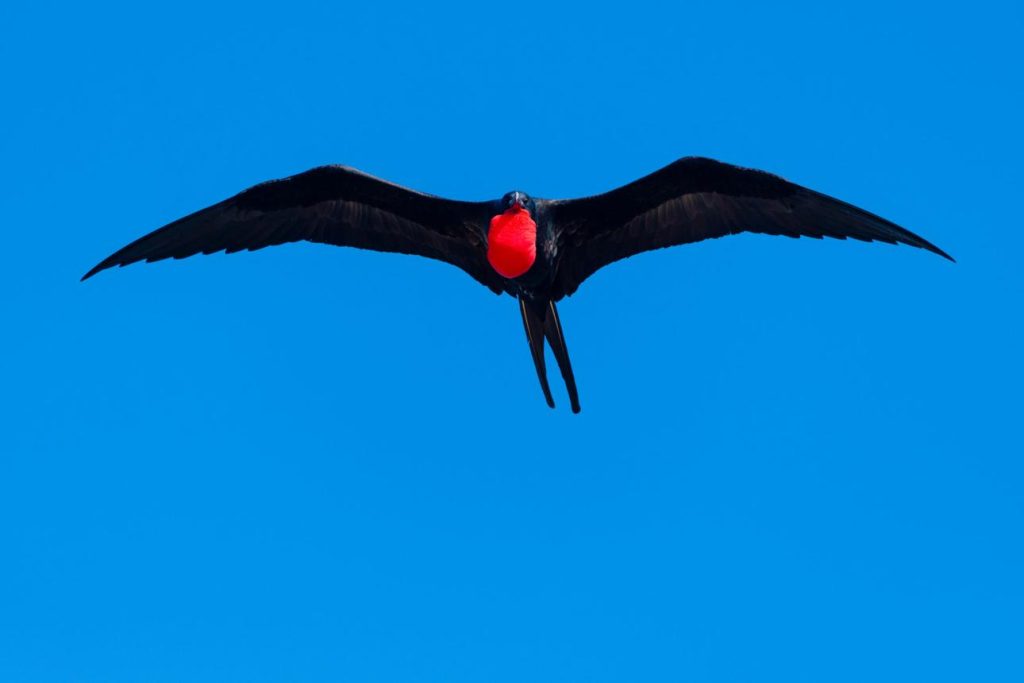
    Certain seabirds, such as the Great Frigatebird, can take brief naps while soaring through the air. Researchers discovered that these birds sometimes sleep with one half of their brain at a time, allowing them to continue flying safely.

    This remarkable adaptation helps them stay in the air for days or even weeks.

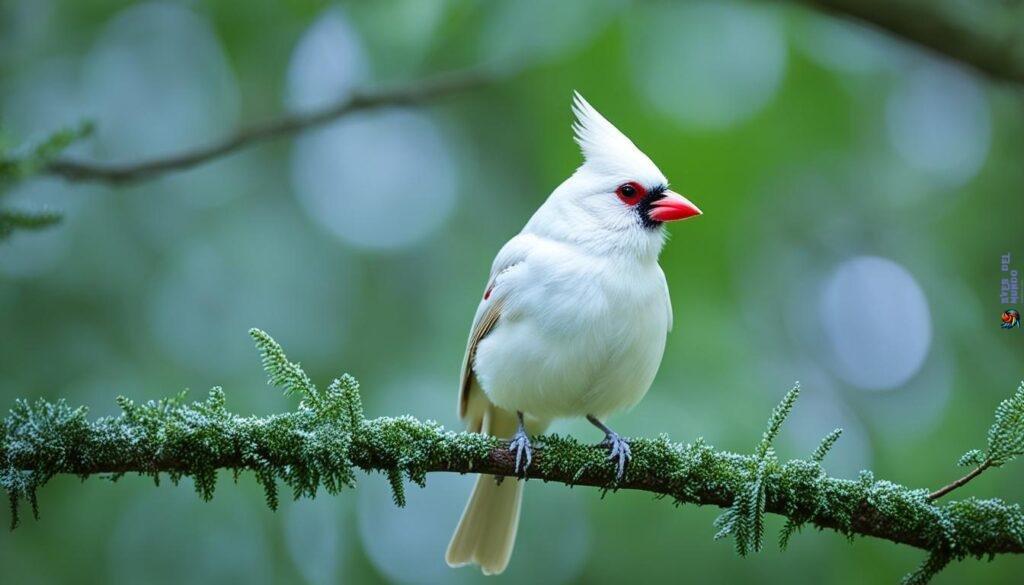
    3.Birds Sometimes Turn Completely White

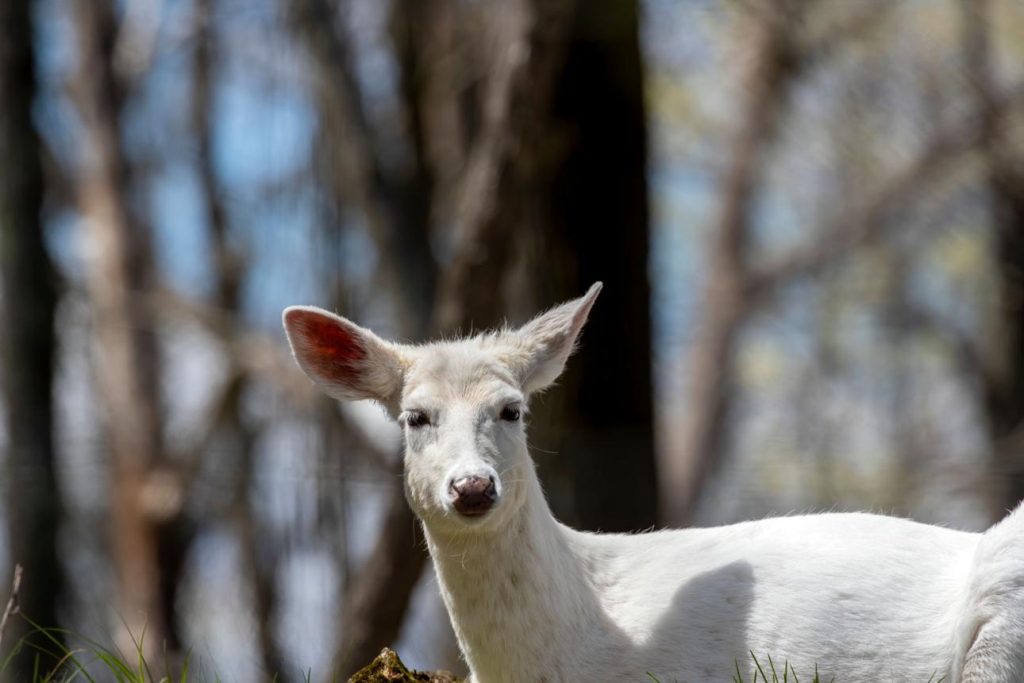
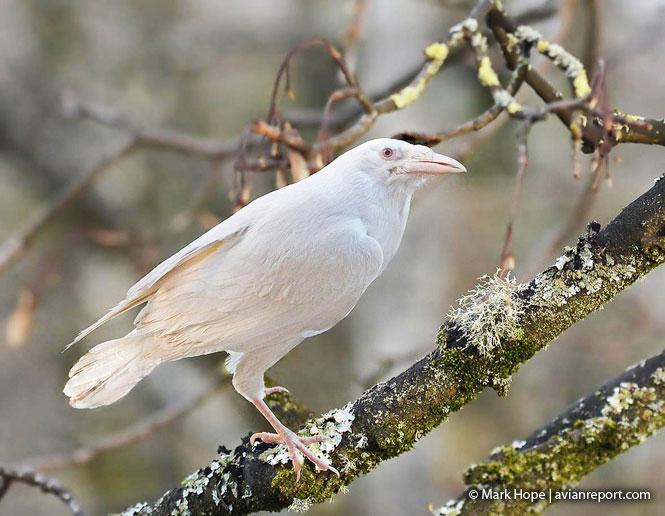
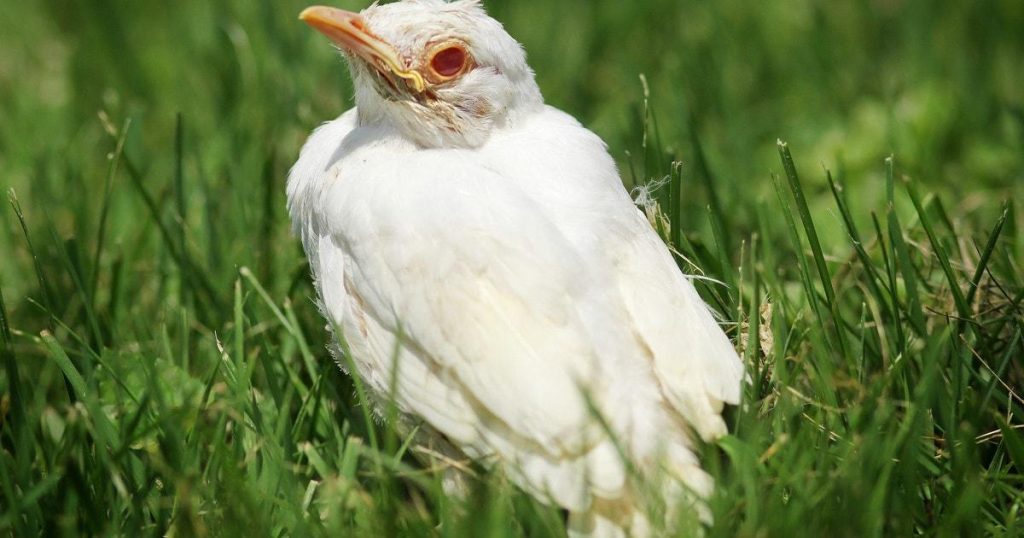
    A rare condition called albinism can cause birds to lose all of their natural pigments, making them appear completely white with pink or red eyes. Another condition called leucism can partially remove pigment, creating unusual white patches.

    These birds often stand out dramatically from the rest of their flock and may have a harder time avoiding predators.

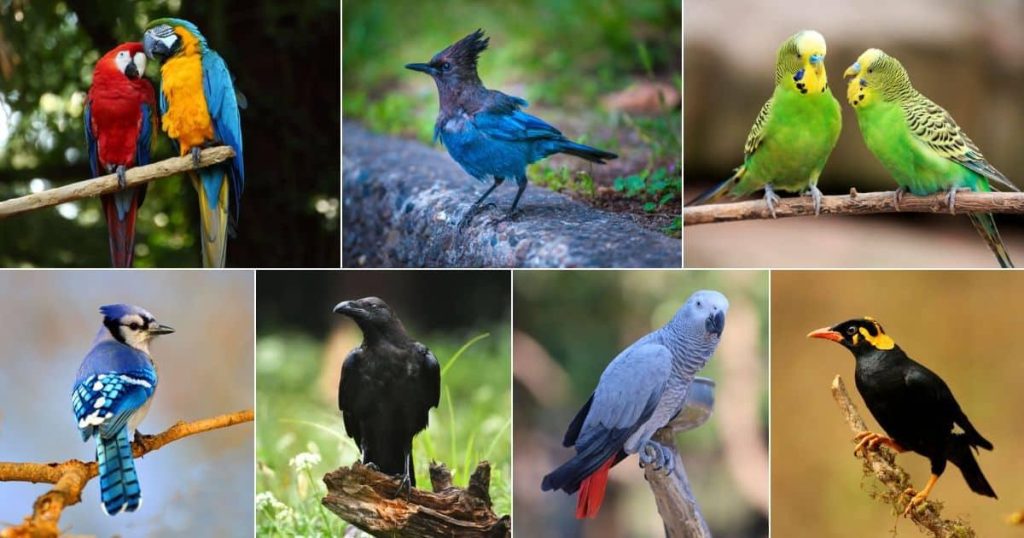
    4.Some Birds Mimic Sounds Better Than Humans Expect

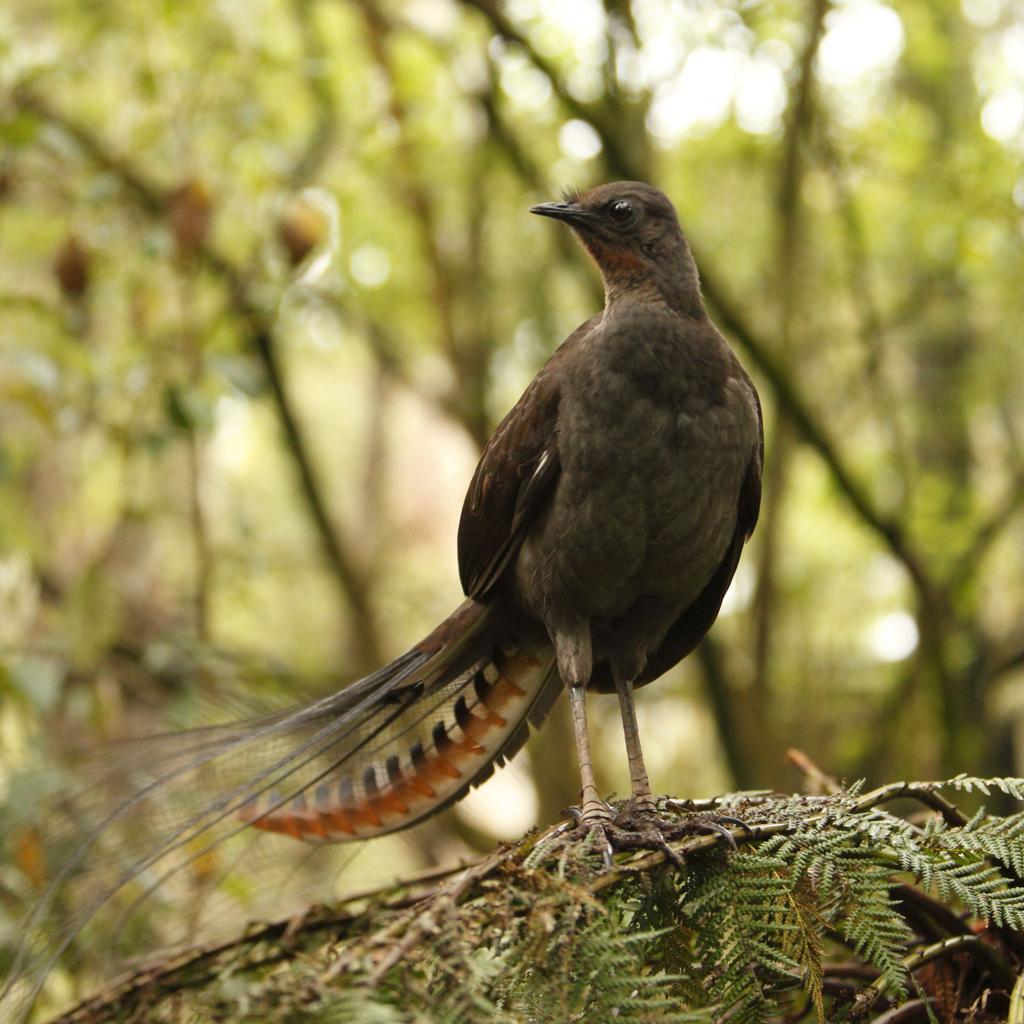
    The Superb Lyrebird is famous for copying sounds from its environment. It can imitate chainsaws, camera shutters, car alarms, and even other bird species with astonishing accuracy.

    Many parrots can also mimic human speech, making them some of the most impressive vocal learners in the animal kingdom.

    5.Birds Occasionally Rain From the Sky

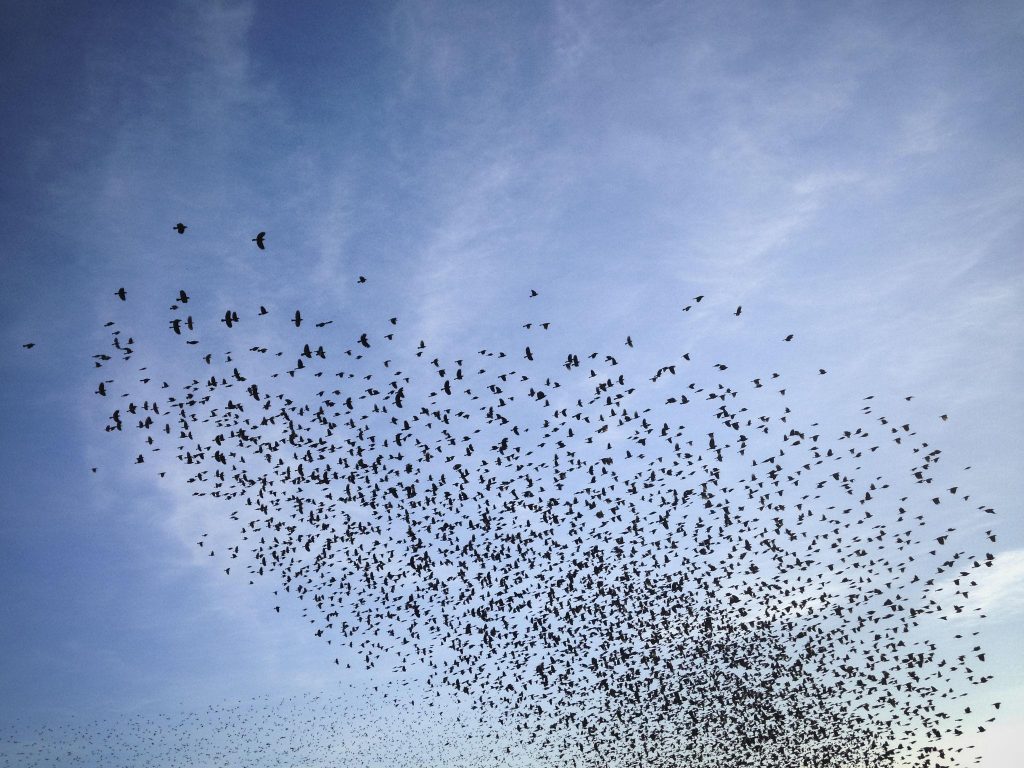
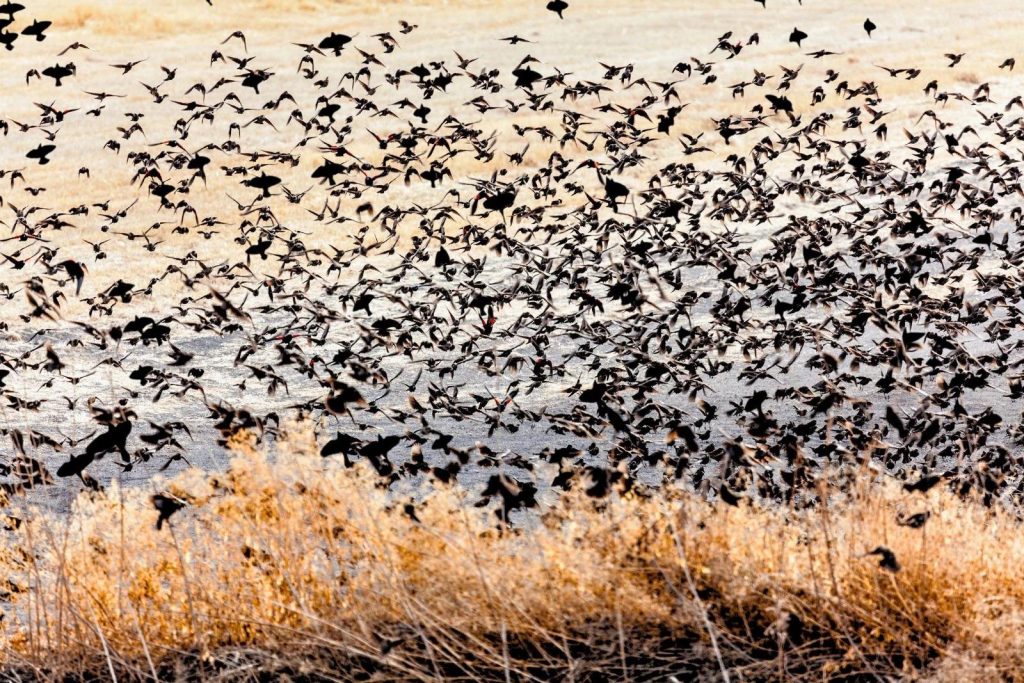
    Although rare, there have been reports of large numbers of birds suddenly falling from the sky. Scientists think these events may be caused by severe weather, lightning, collisions, disease outbreaks, or disorientation during migration.

    While dramatic, such incidents are uncommon and are usually linked to specific environmental conditions rather than mysterious causes.

    Conclusion

    Birds are far more extraordinary than many people realize. From sleeping in midair and flying across oceans nonstop to perfectly imitating machines and appearing completely white, the avian world is full of surprises. These strange events remind us how diverse and remarkable bird life can be.

  • 5 Strange Things That Can Happen to Snakes

    5 Strange Things That Can Happen to Snakes

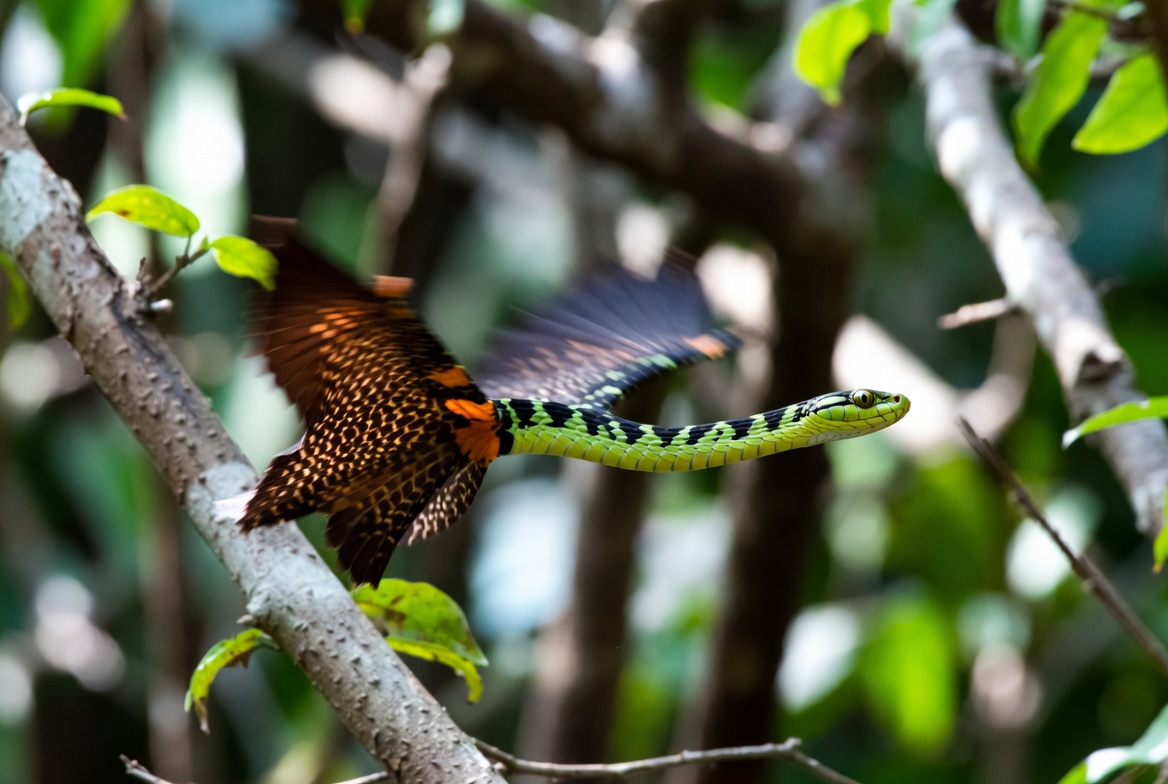
    1. They Can “Fly” or Glide Through the Air

    Certain snakes, like the paradise tree snake (Chrysopelea paradisi), don’t just slither—they launch themselves from trees and glide impressive distances (up to 100 meters or more). They flatten their bodies, spread their ribs, and undulate to steer and generate lift, turning a free fall into controlled flight. This helps them escape predators, hunt, or move between trees efficiently. They’re the only known limbless vertebrates capable of such gliding.

    These arboreal acrobats turn the forest canopy into their playground.

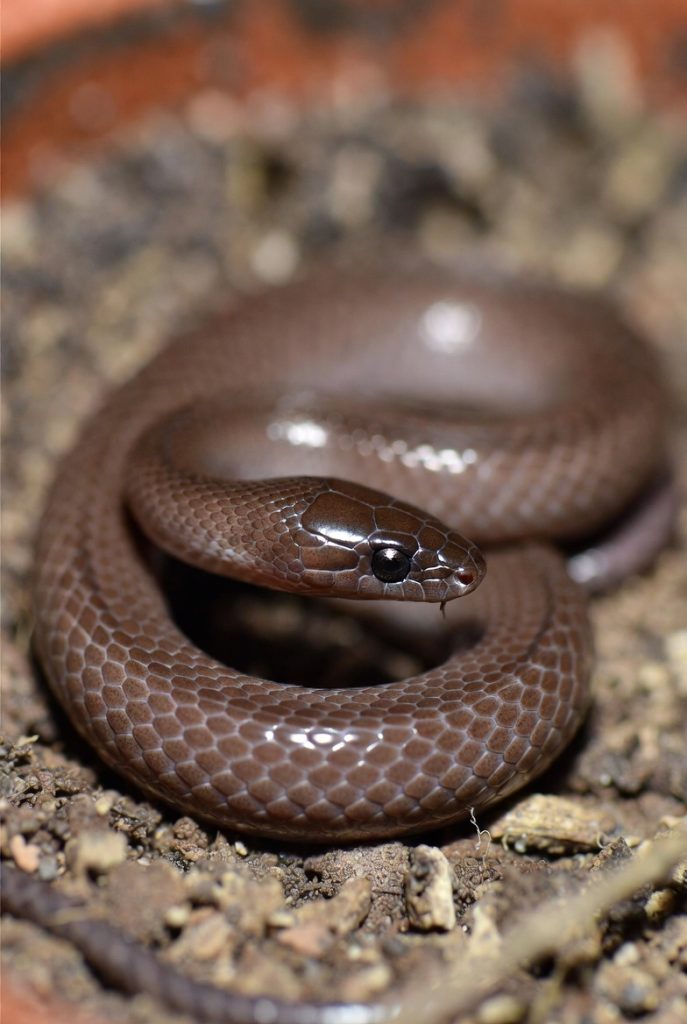
    2. They Can Reproduce Without Mating (Virgin Birth)

    The Brahminy blind snake (Indotyphlops braminus) is the only known snake species that is entirely female and reproduces exclusively through parthenogenesis—producing offspring that are genetic clones without any males involved. These tiny, worm-like burrowers can establish entire populations from a single individual transported in soil or plants. All offspring are female triploids, making them highly successful colonizers worldwide.

    Nature’s ultimate single moms—cloning themselves to spread across the globe.

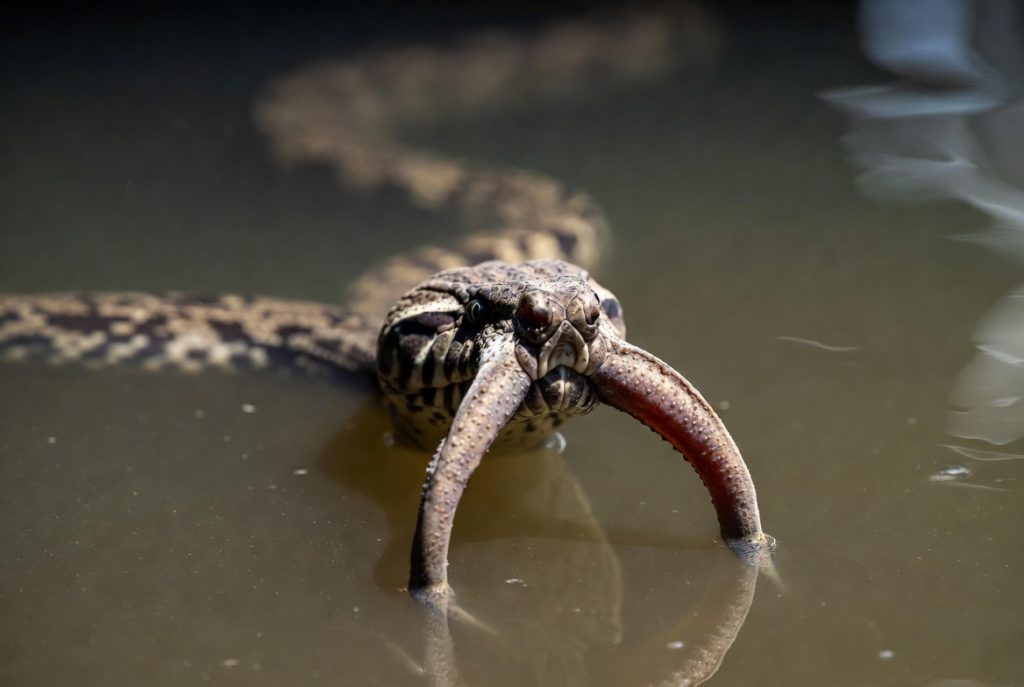
    3. They Grow Tentacles on Their Snout

    The tentacled snake (Erpeton tentaculatum), a fully aquatic species from Southeast Asia, sports two unique, scaly tentacles protruding from its snout. These appendages likely serve as mechanosensors to detect fish movements in murky water or possibly as lures. This snake uses an ingenious ambush tactic: it forms a J-shape and startles fish into striking range with body movements. It’s the only snake with such facial “tentacles.”

    A snake that looks like it belongs in a sci-fi movie, perfectly adapted for underwater hunting.

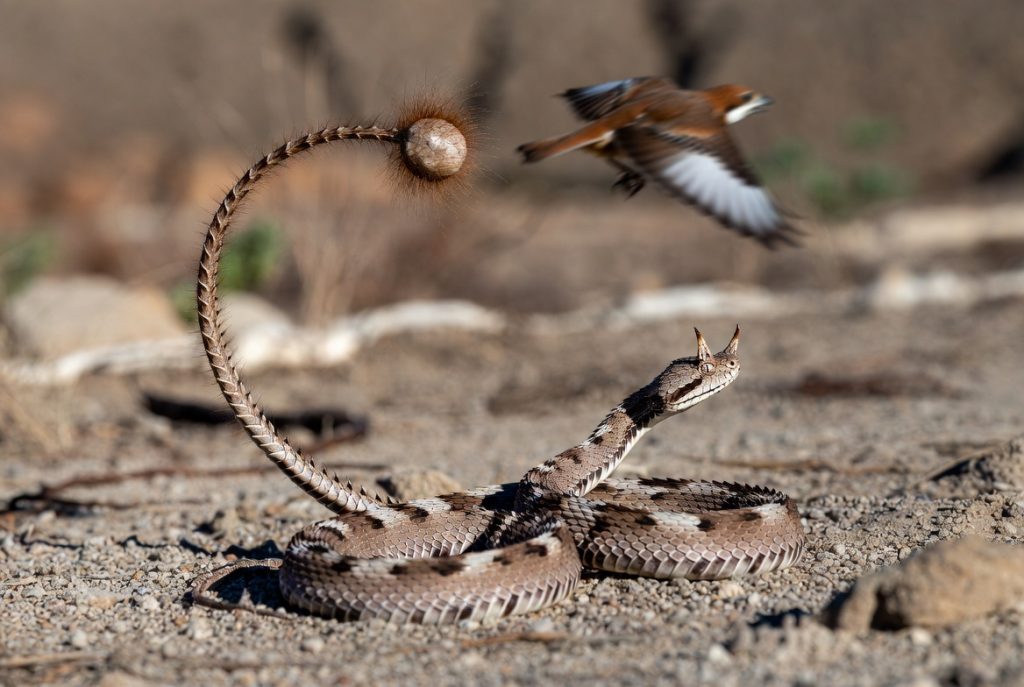
    4. Their Tails Mimic Spiders to Lure Prey

    The spider-tailed horned viper (Pseudocerastes urarachnoides) from Iran has a bizarre tail ending in a bulb surrounded by long, movable scales that perfectly imitate a spider. It wiggles this “spider” to attract insect-eating birds and lizards, which become the snake’s meal instead. Combined with its horns and excellent camouflage, it’s a master of aggressive mimicry.

    One of evolution’s cleverest traps—using a fake arachnid as bait.

    5. They Defend Themselves by “Farting” (Cloacal Popping)

    Some small snakes, like the Sonoran coral snake and Chihuahuan hook-nosed snake, use cloacal popping as a defense. They forcefully expel air (and sometimes musk) from their cloaca, creating loud popping or fart-like sounds that startle predators. The snake may also jerk its body, making the pops seem even more explosive. It’s an effective, energy-efficient way for small, non-aggressive burrowers to buy time to escape.

    When hissing isn’t enough, these snakes break wind to survive.

    Snakes continue to surprise us with their incredible adaptations. From aerial maneuvers to asexual reproduction and bizarre body parts, these reptiles prove that “strange” is often just another word for “perfectly evolved.” If you’re fascinated by wildlife, observing or learning about snakes (from a safe distance!) highlights the diversity of life on Earth. Always respect local wildlife and avoid handling unknown species.

  • 5 Strange Things That Can Happen to Snakes

    5 Strange Things That Can Happen to Snakes

    Snakes are some of the most unusual animals on Earth. While many people know that snakes slither and hunt prey, there are several strange things that can happen to them that seem almost unbelievable. Here are five fascinating examples.

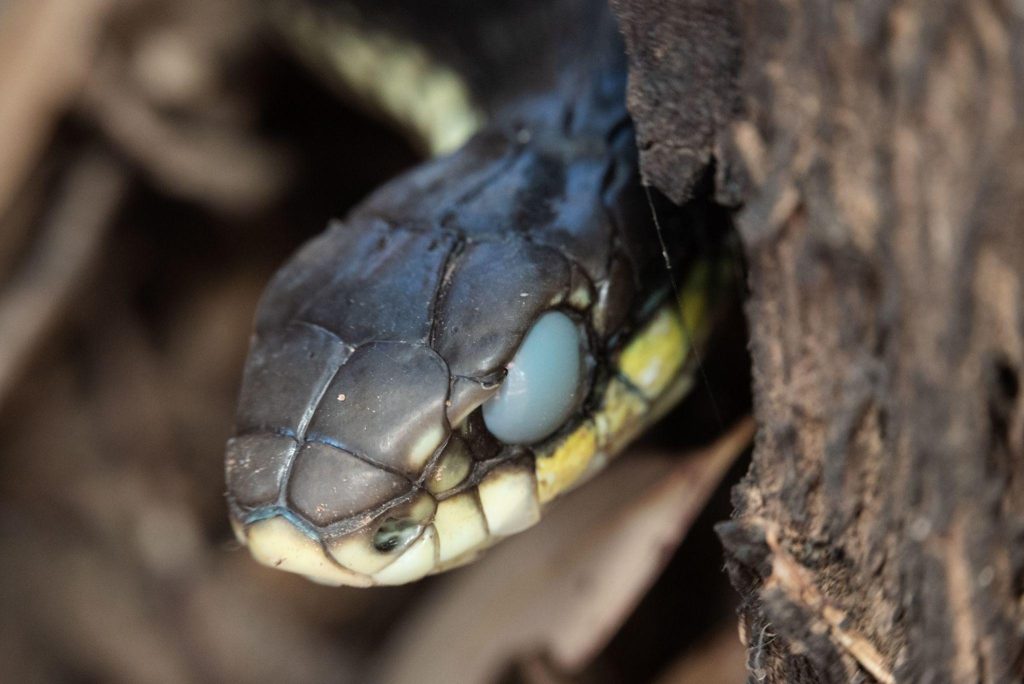
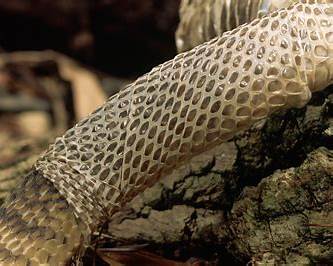
    1.A Snake Can Shed Its Entire Skin

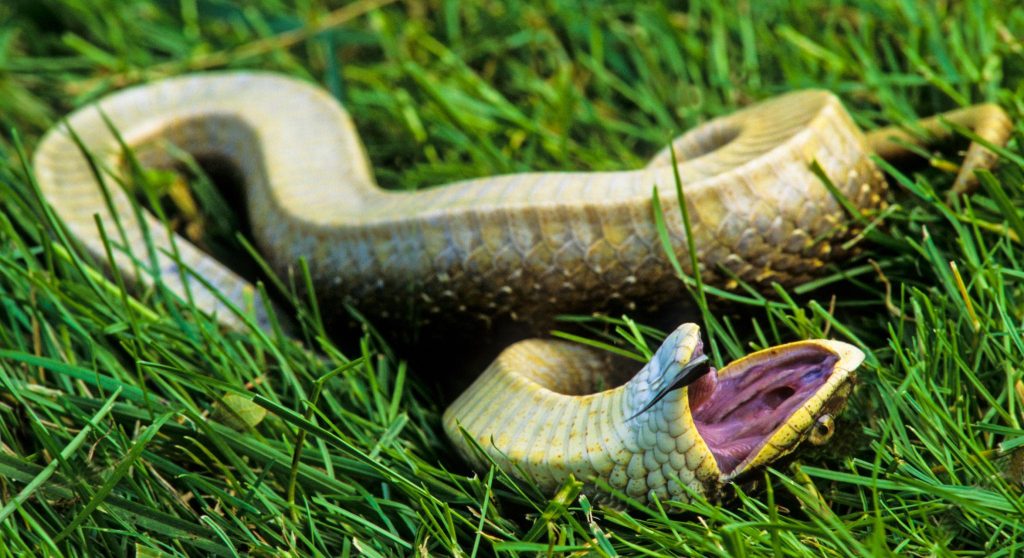
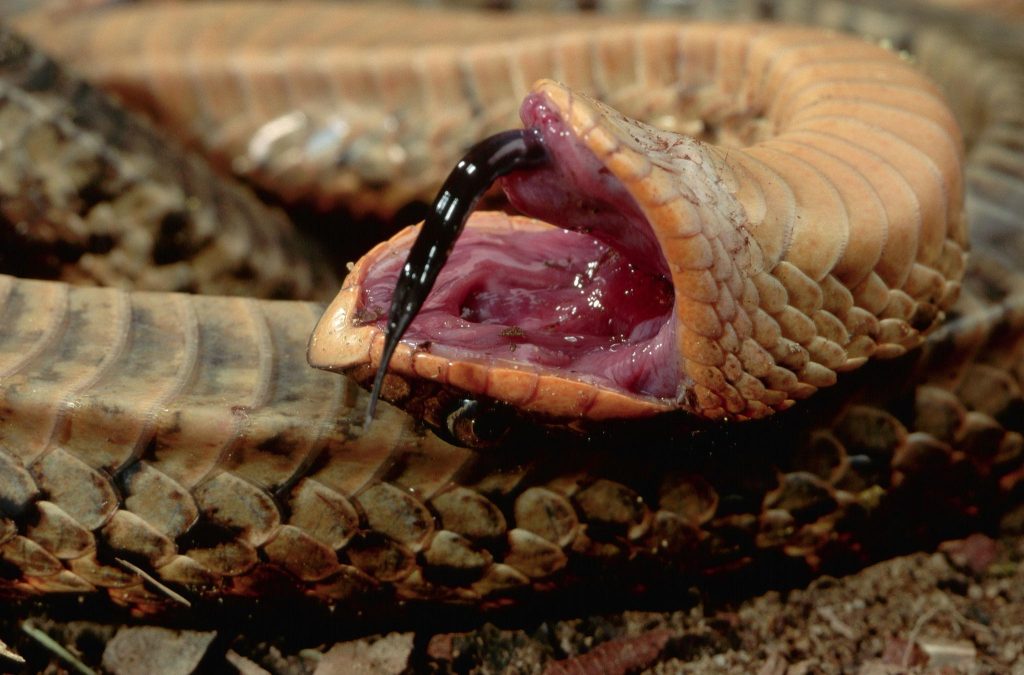
    2. Some Snakes Play Dead

    When threatened, certain snakes, such as hognose snakes, perform a dramatic act. They roll onto their backs, open their mouths, stick out their tongues, and appear dead. This behavior can fool predators into leaving them alone.

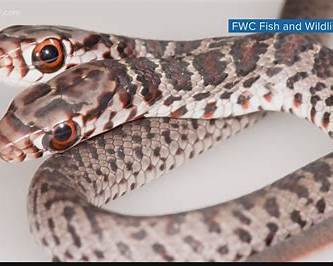
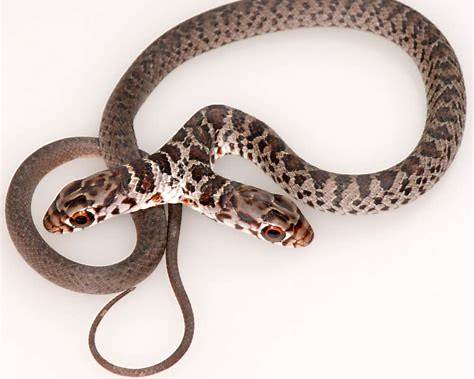
    3.A Snake Can Be Born With Two Heads

    Although rare, some snakes are born with two heads due to a condition called bicephaly. Each head can have its own brain and may even want to move in different directions. Two-headed snakes usually have difficulty surviving in the wild.

    4.Some Female Snakes Can Have Babies Without a Male

    A few snake species are capable of parthenogenesis, a form of reproduction in which a female produces offspring without mating with a male. Scientists have observed this unusual phenomenon in several species of snakes, making it one of the strangest reproductive abilities in the animal kingdom.

    5.Snakes Can Swallow Prey Much Larger Than Their Heads

    A snake’s jaws are connected by flexible ligaments, allowing it to open its mouth extremely wide. This enables some snakes to swallow animals much larger than their heads. After a large meal, a noticeable bulge may appear in the snake’s body until the food is digested.

    Conclusion

    Snakes are full of surprises. From shedding their skin and pretending to be dead to being born with two heads or even reproducing without a mate, these reptiles have some of the most unusual adaptations in the animal world. Studying these strange behaviors helps scientists better understand how snakes survive and thrive in many different environments.

  • Amazon Animal Stories – Adventures from the World’s Greatest Rainforest

    Amazon Animal Stories – Adventures from the World’s Greatest Rainforest

    The Brave Jaguar of the Black River

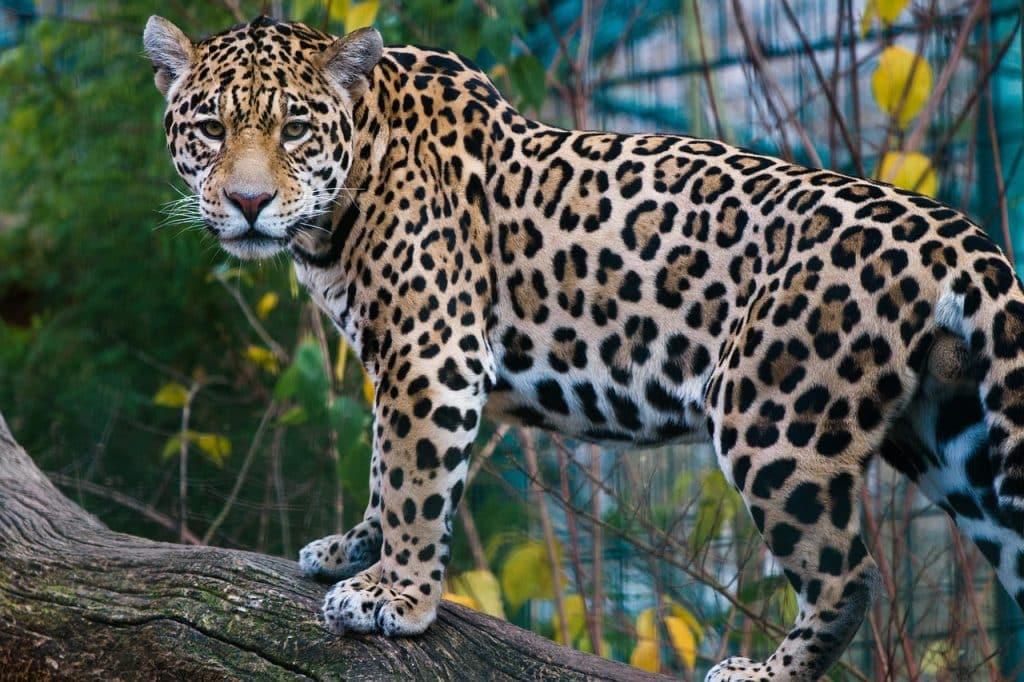
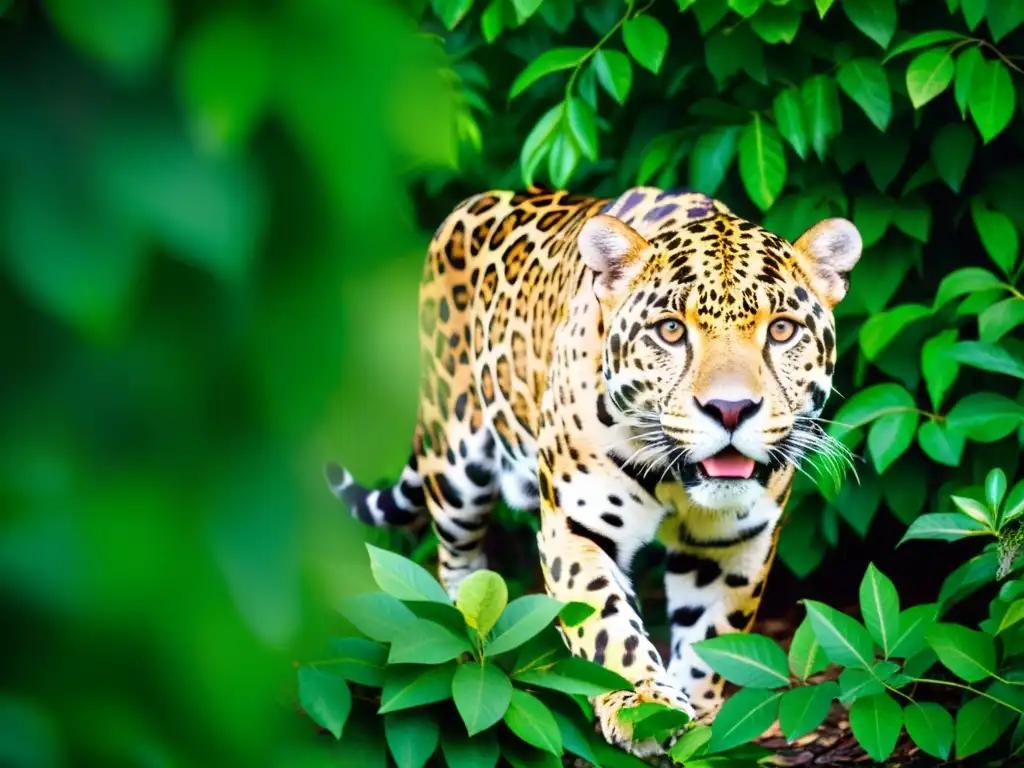
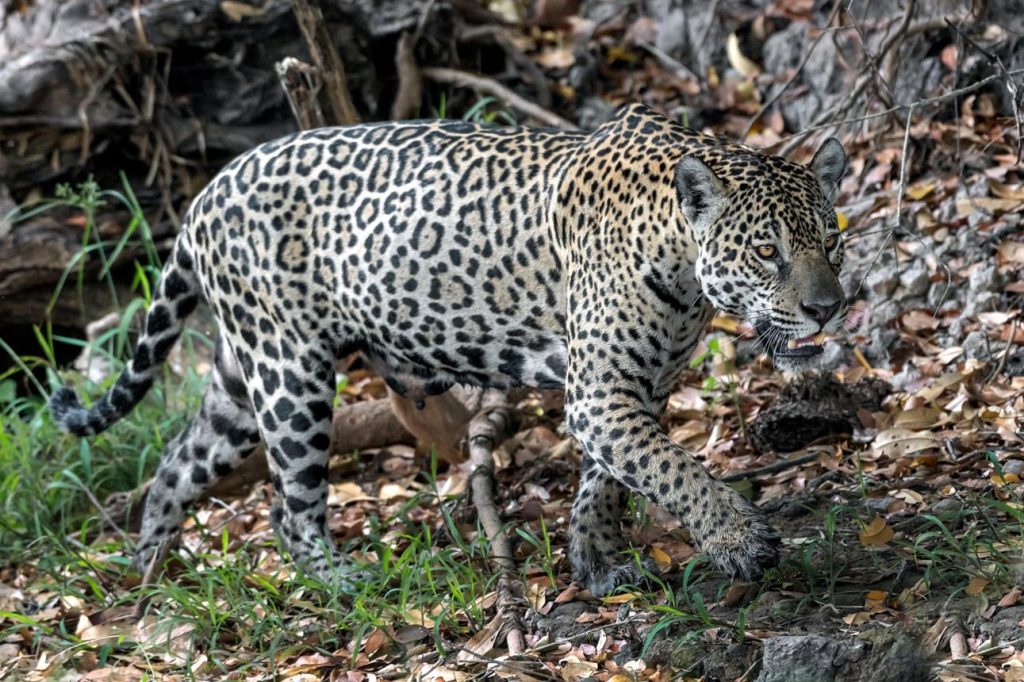
    Deep in the Amazon rainforest, a powerful jaguar named Kanu ruled the banks of the Black River. Unlike other jaguars, Kanu protected the smaller animals from danger.

    One dry season, a wildfire threatened the forest. Smoke filled the air, and frightened animals ran in every direction. Kanu noticed a family of capybaras trapped near the riverbank.

    Without hesitation, he led them through a hidden path known only to him. Along the way, he guided monkeys, birds, and even a sleepy sloth to safety.

    When the rains finally arrived, the forest was saved. The animals celebrated Kanu’s bravery and declared him the Guardian of the Black River.

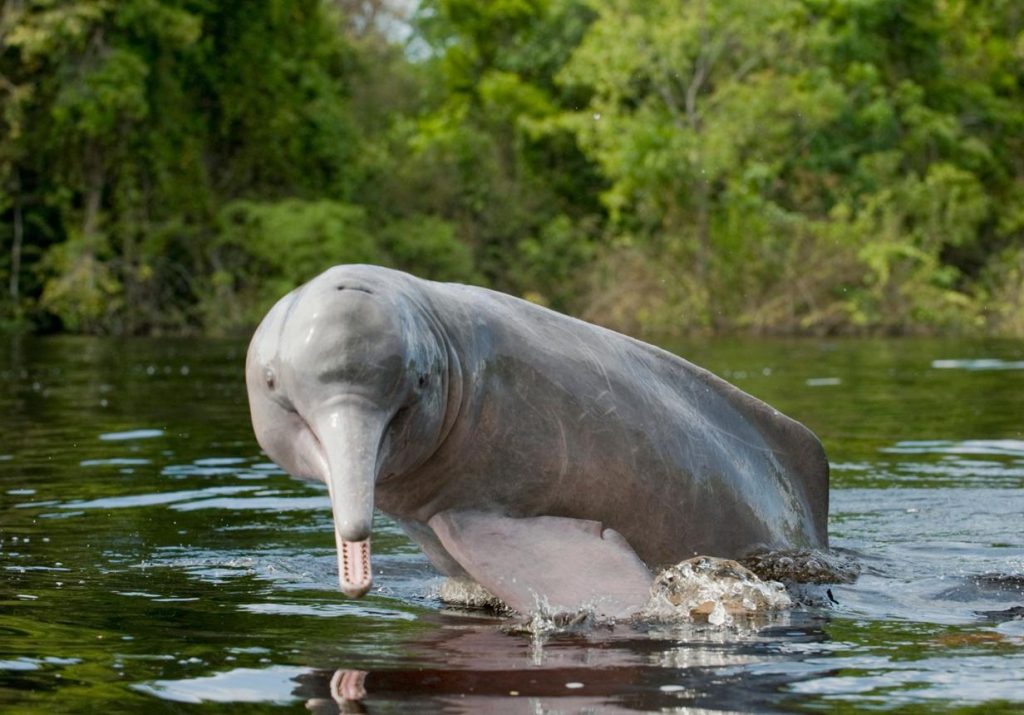
    The Pink Dolphin’s Secret

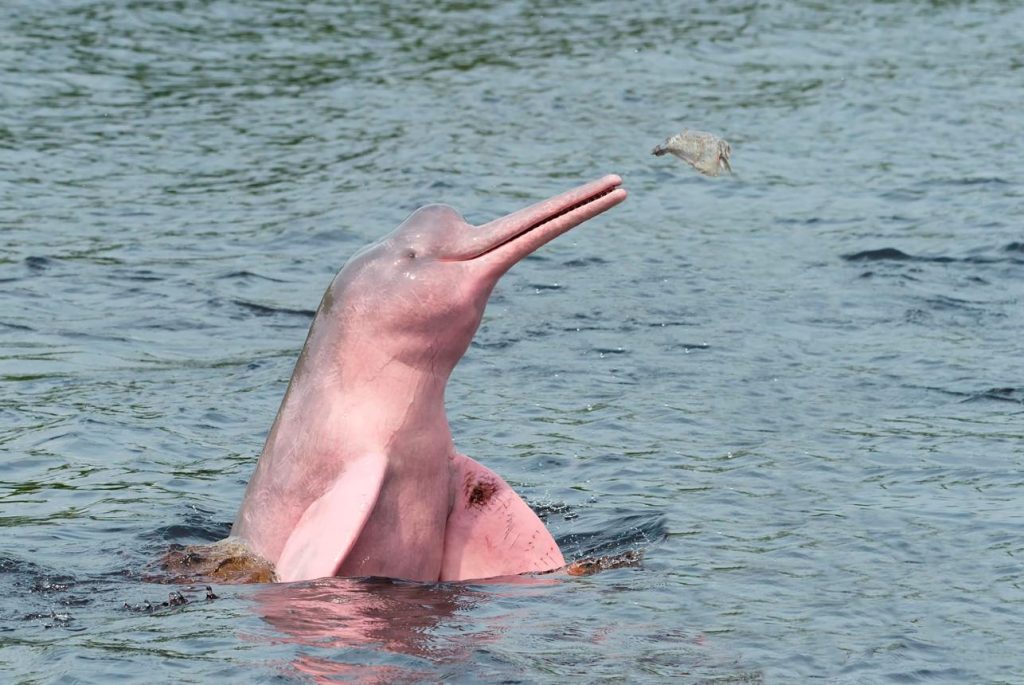
    Luna was a pink river dolphin who lived in a quiet section of the Amazon River. Every night, she explored hidden waterways no other animal knew existed.

    One evening, she discovered a young turtle caught in fishing debris. Luna carefully pushed the turtle to shore and called nearby otters for help.

    The grateful turtle revealed a secret lagoon filled with blooming water lilies. Soon, animals from across the rainforest visited the magical place.

    Luna became famous for her kindness, and the lagoon became a symbol of friendship throughout the Amazon.

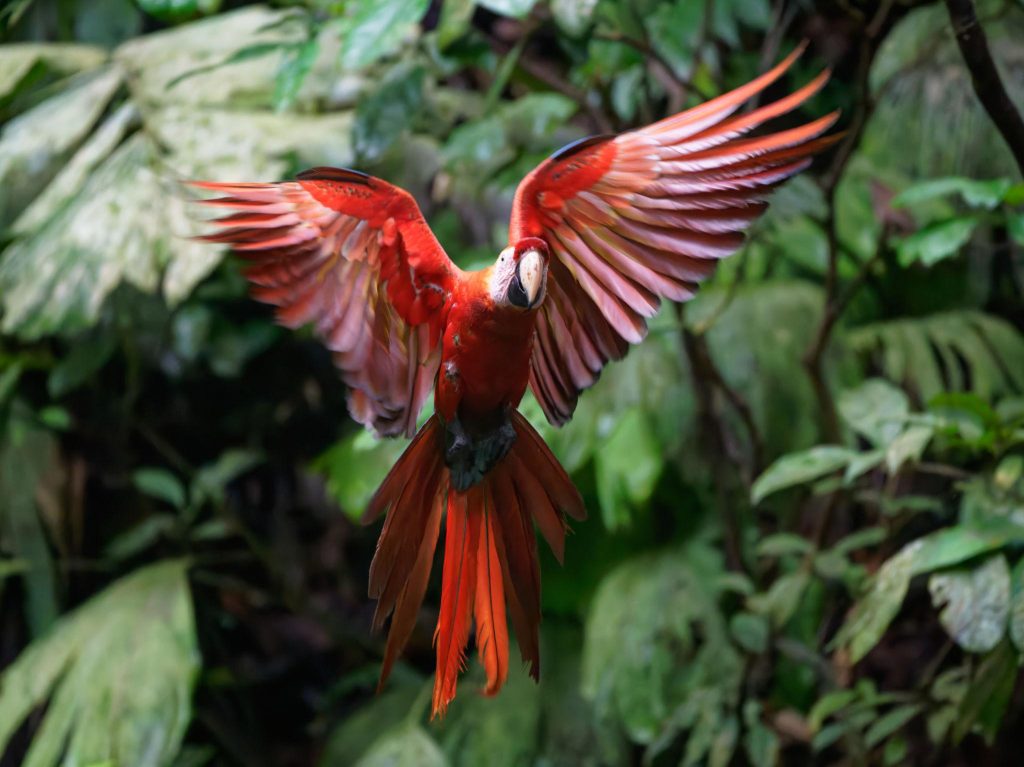
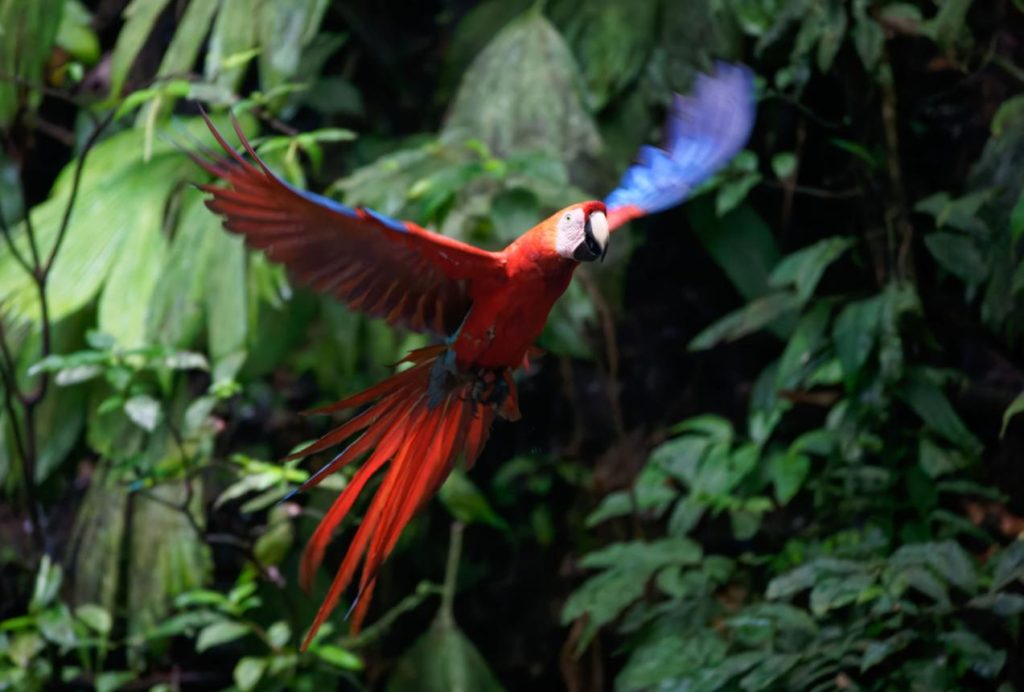
    The Curious Scarlet Macaw

    Rio the scarlet macaw loved adventure. While other birds stayed near their nests, Rio explored distant parts of the rainforest.

    One day, he discovered a giant fruit tree overflowing with food. Instead of keeping the secret, Rio shared the location with every hungry animal he met.

    Monkeys, toucans, and coatis gathered beneath the tree. Together, they enjoyed a feast unlike any before.

    From that day on, Rio was known as the Messenger of Good Fortune.

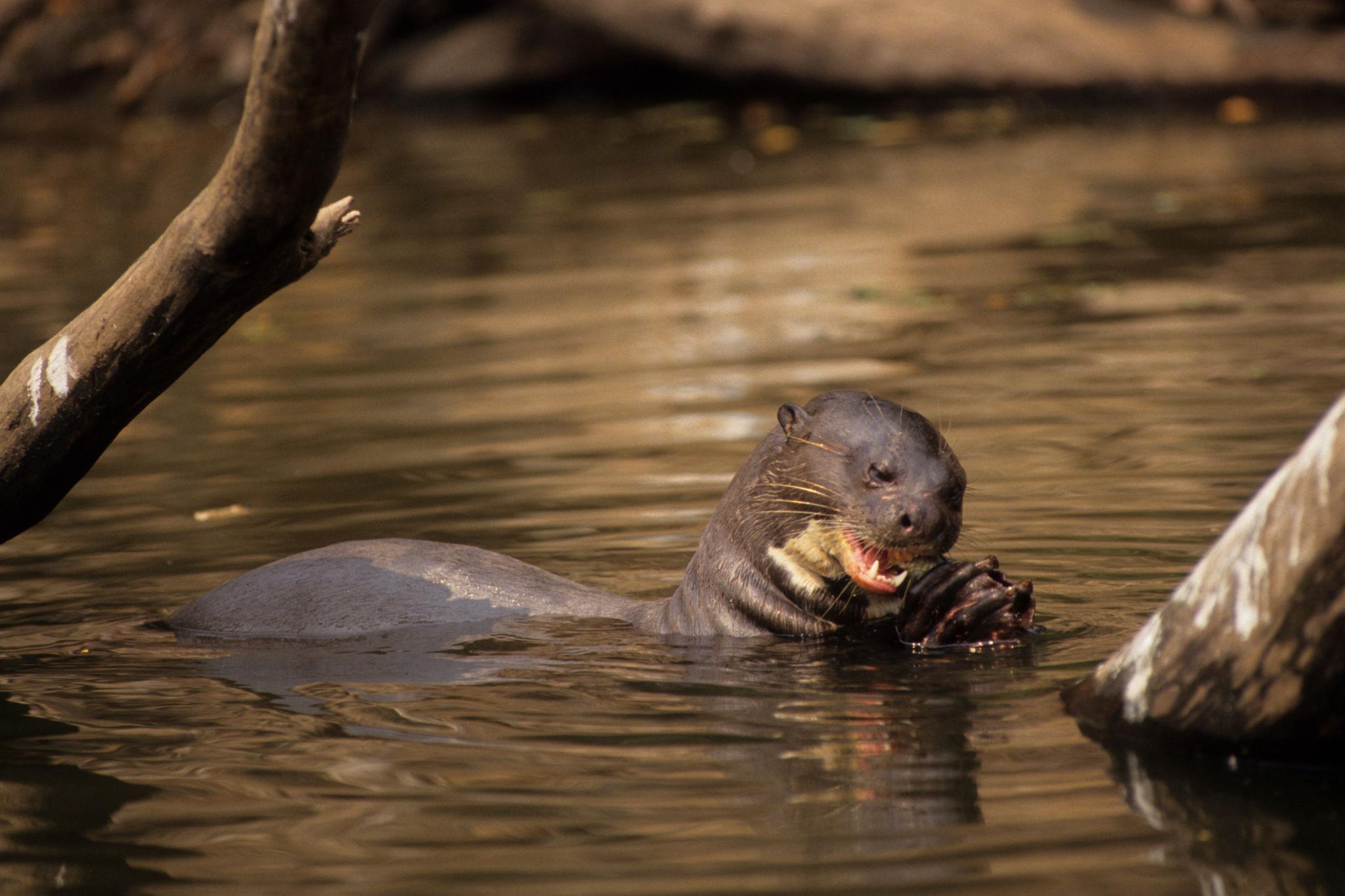
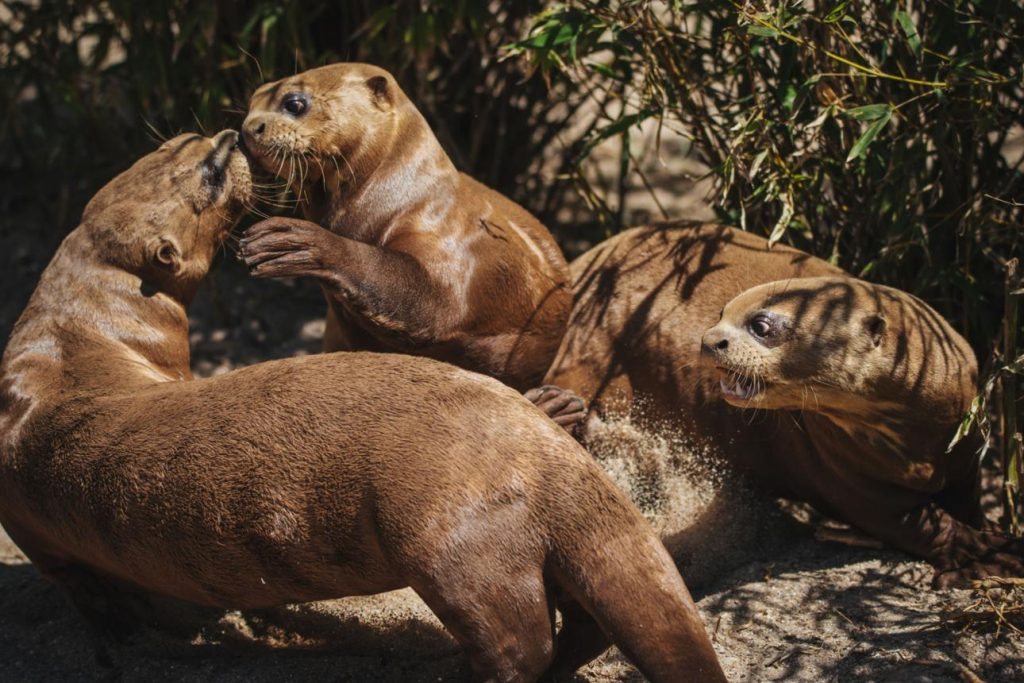
    The Giant Otter’s Rescue

    Tiko the giant otter spent his days swimming with his family. One afternoon, he heard cries from a baby monkey stranded on a floating log.

    The river current grew stronger by the minute. Tiko quickly paddled through the water and nudged the log toward shore.

    The monkey safely reached land, and the entire troop thanked Tiko for his courage.

    The story spread across the rainforest, inspiring others to help animals in need.

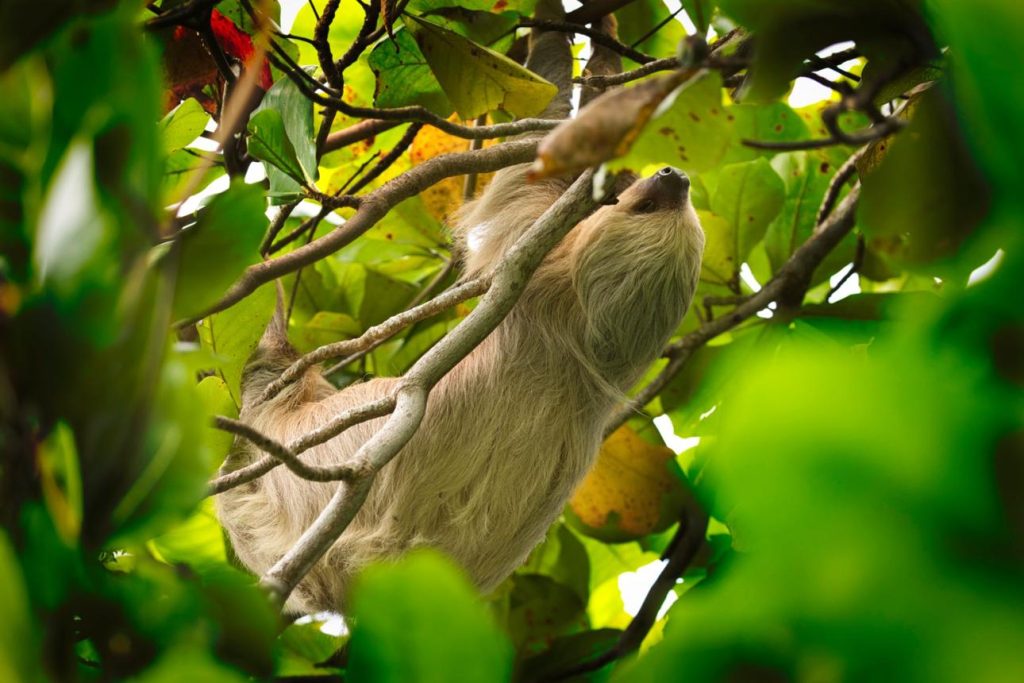
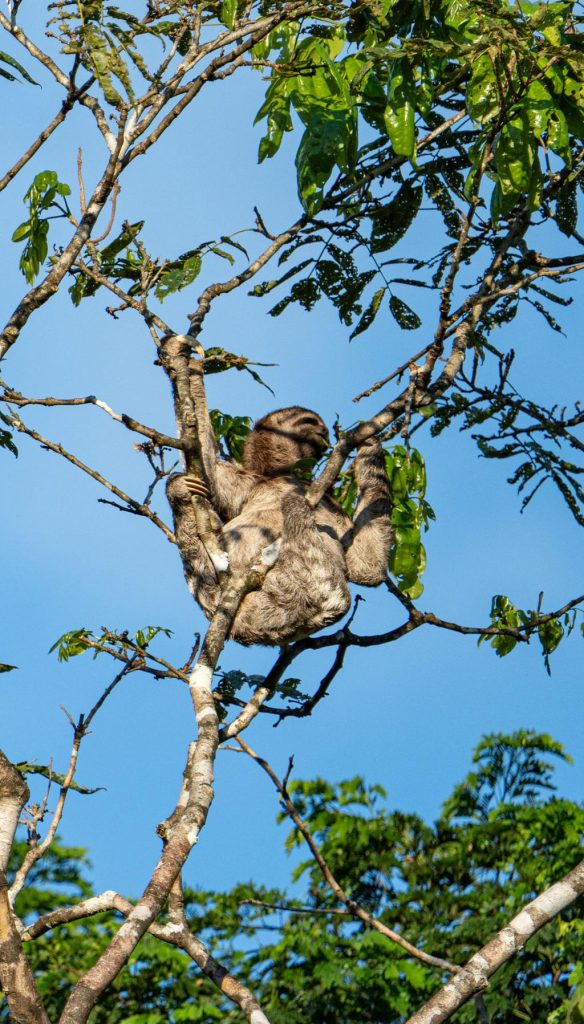
    The Sloth Who Loved Speed

    Sammy the sloth dreamed of being the fastest animal in the forest. Every day, he practiced moving a little quicker.

    Although he never became fast, he discovered something important. His slow pace allowed him to notice tiny details others missed.

    One day, Sammy spotted a dangerous snake near a monkey nursery. He warned the monkeys just in time.

    Everyone realized that being slow could be a special gift.

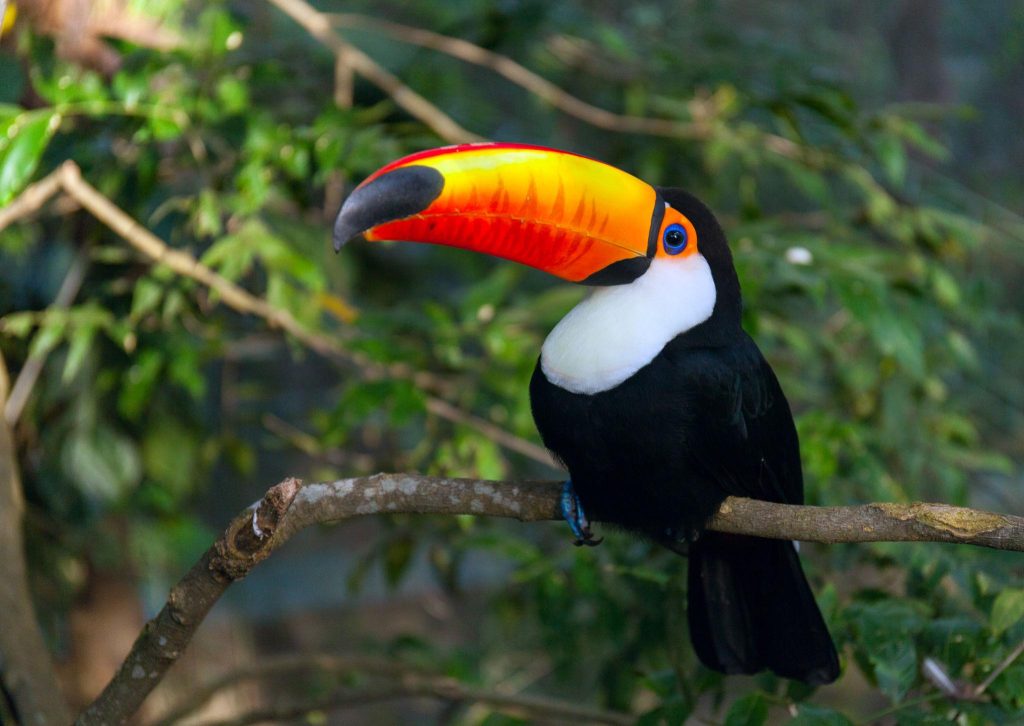
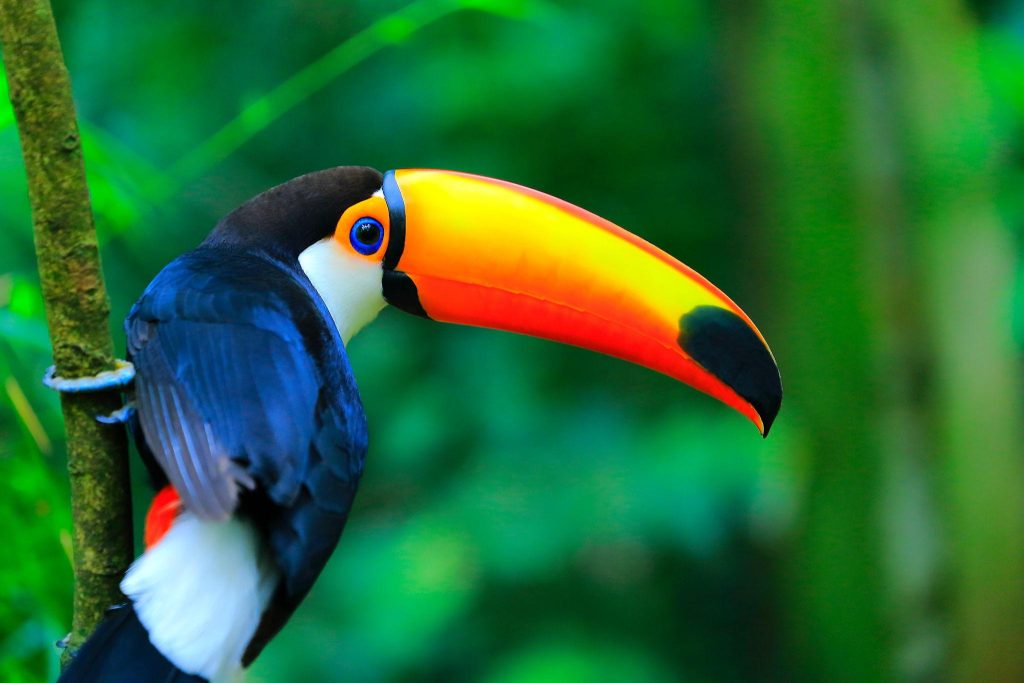
    The Toucan’s Golden Beak

    Tano the toucan had the brightest beak in the rainforest. Young birds admired him and often asked how he became so beautiful.

    Instead of boasting, Tano taught them about healthy fruits and caring for nature.

    Over time, the birds learned that true beauty comes from kindness and wisdom.

    Tano became the rainforest’s most respected teacher.

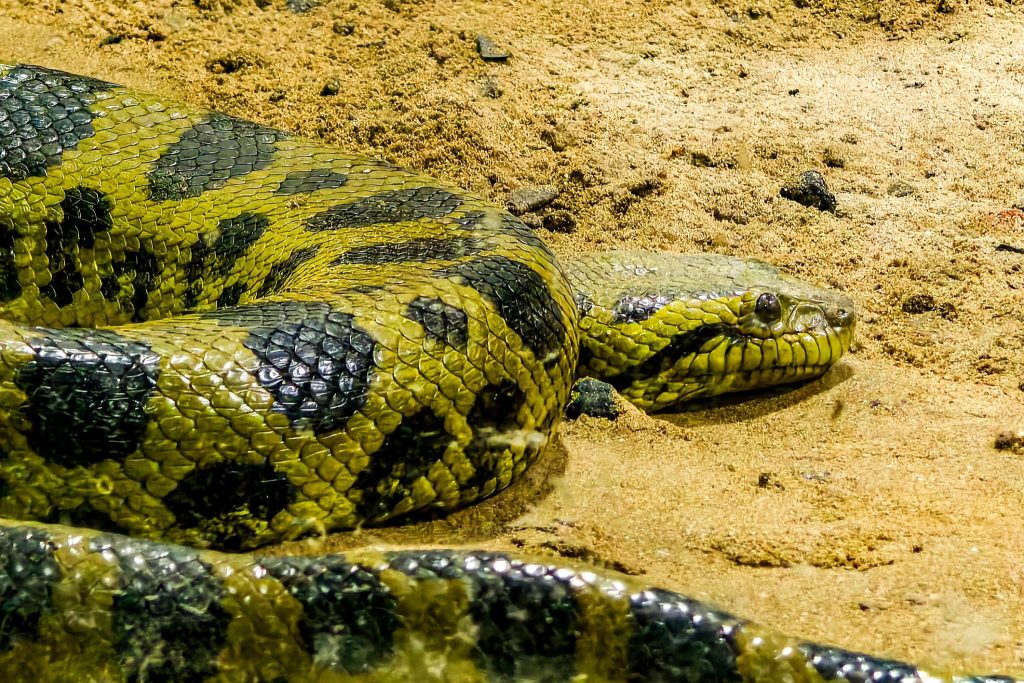
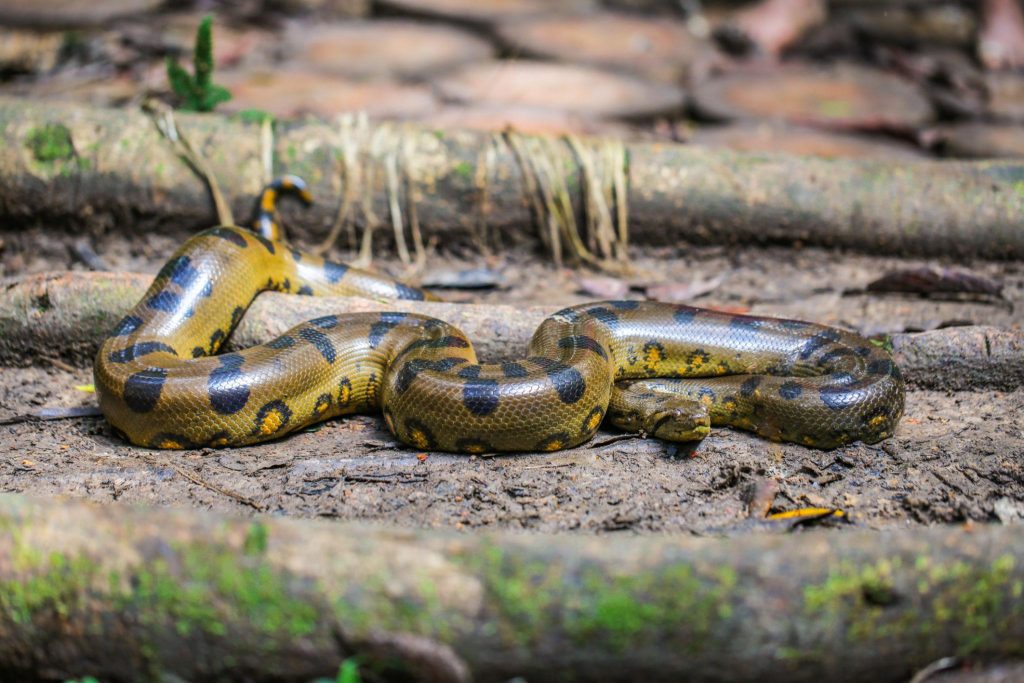
    The Anaconda and the Storm

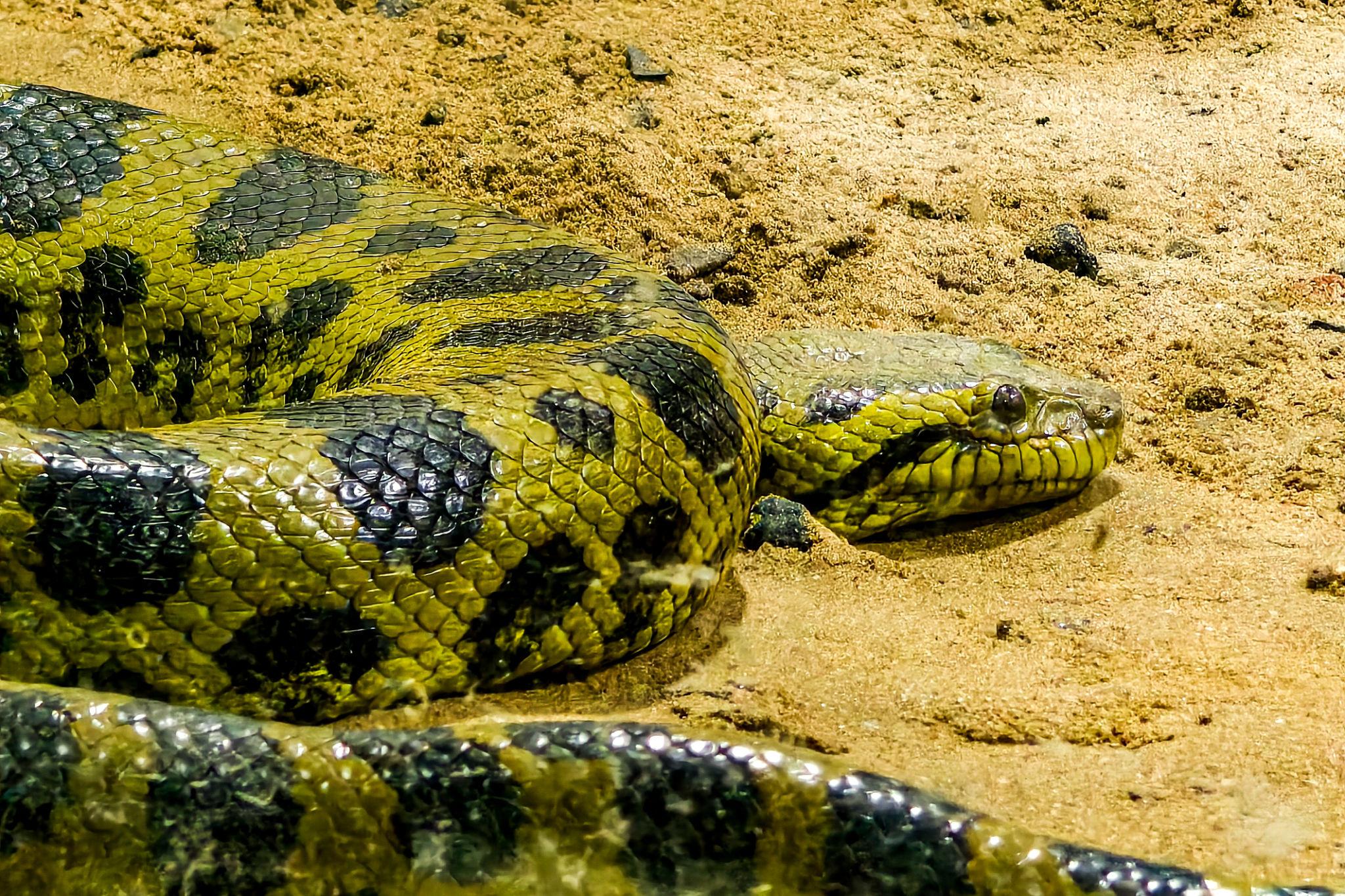
    A massive anaconda named Zara lived beside a winding river. Many animals feared her because of her size.

    When a powerful storm flooded the forest, Zara used her long body as a bridge so smaller animals could cross safely.

    The animals realized she was not a monster but a protector.

    From then on, Zara earned the respect of the entire rainforest.

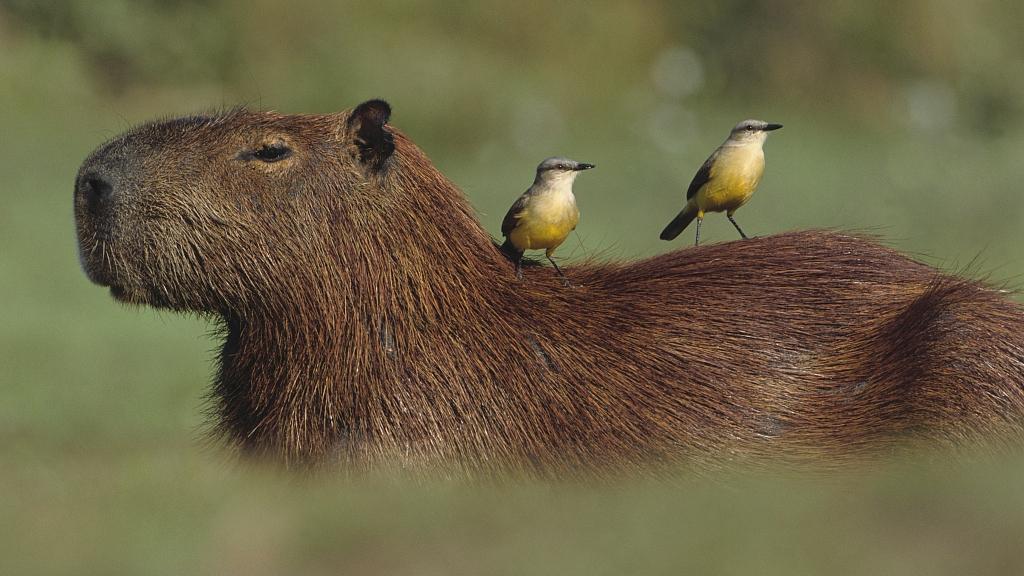
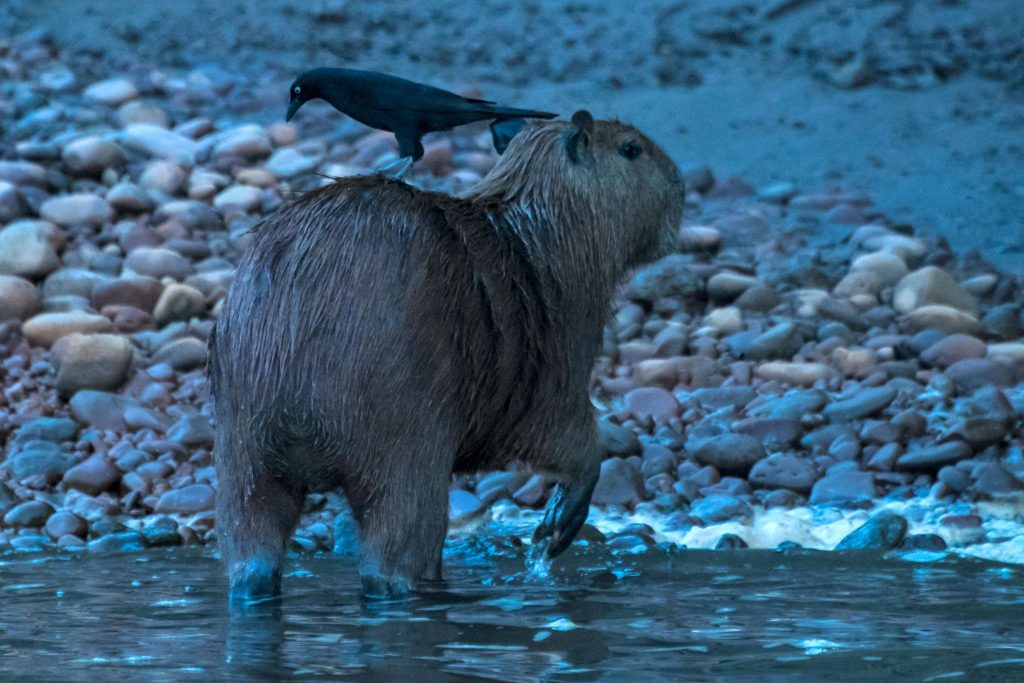
    The Capybara’s New Friends

    Carlos the capybara was the friendliest animal in the Amazon. Birds sat on his back, and fish swam beside him.

    When two groups of animals argued over a watering hole, Carlos invited everyone to share the space peacefully.

    His calm attitude brought harmony to the forest.

    Soon, the watering hole became a gathering place for all creatures.

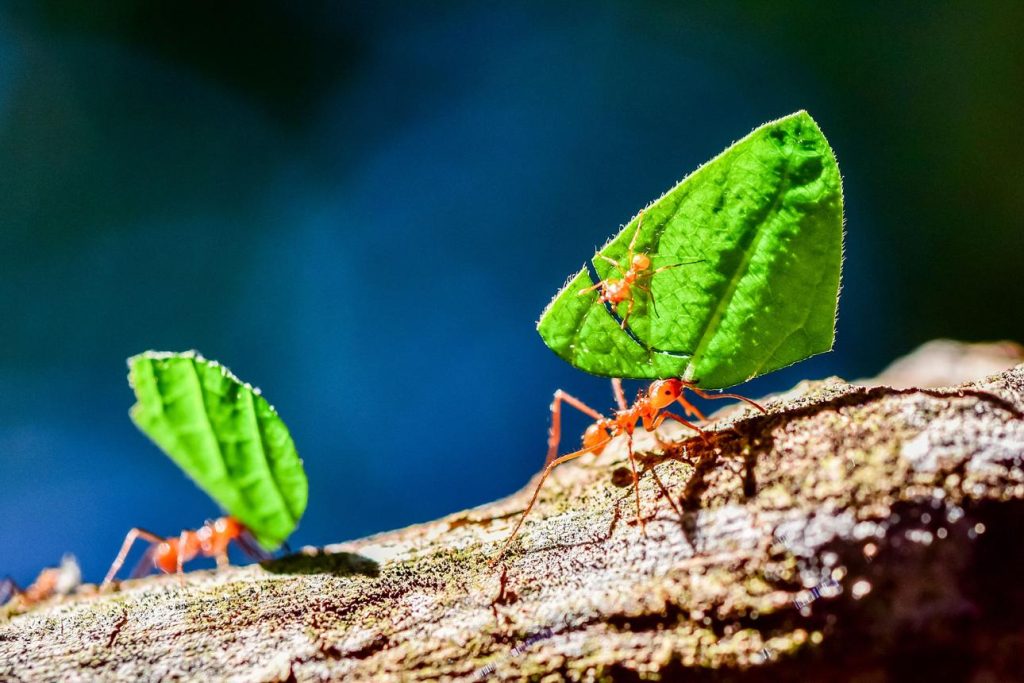
    The Leafcutter Ant Kingdom

    Millions of leafcutter ants worked together beneath the rainforest floor. Their queen taught them that every job mattered.

    One season, heavy rains threatened their tunnels. The ants united to rebuild their home.

    Thanks to teamwork, the colony survived and grew stronger than ever.

    Their story became a lesson in cooperation for the entire rainforest.

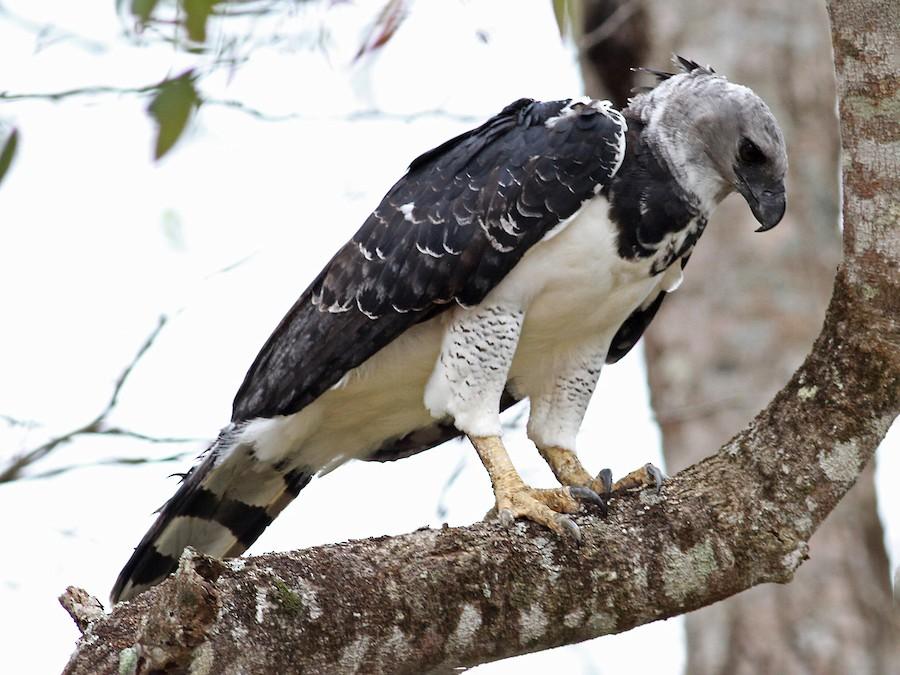
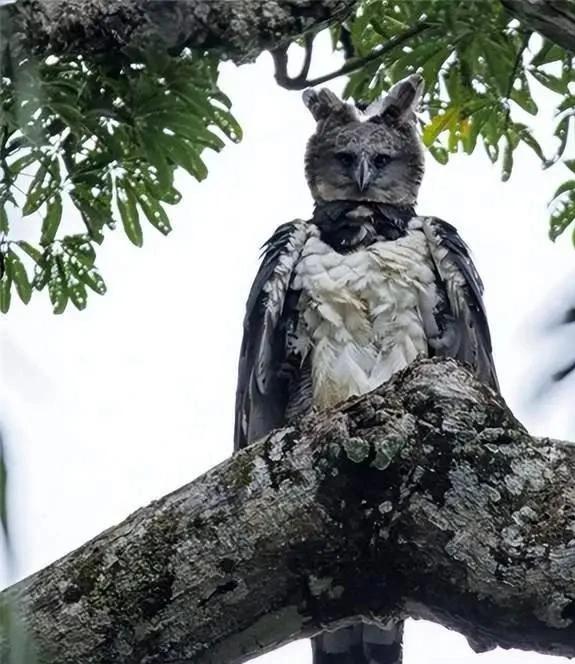
    The Harpy Eagle’s Watch

    High above the rainforest lived Aria, a mighty harpy eagle. From her nest, she could see miles of jungle below.

    One day, she noticed illegal loggers approaching a nesting area filled with rare birds.

    Aria alerted monkeys, macaws, and other animals. Together, they created enough noise to scare the intruders away.

    The forest remained safe, and Aria continued watching over the Amazon from the sky.