Tag: nature facts

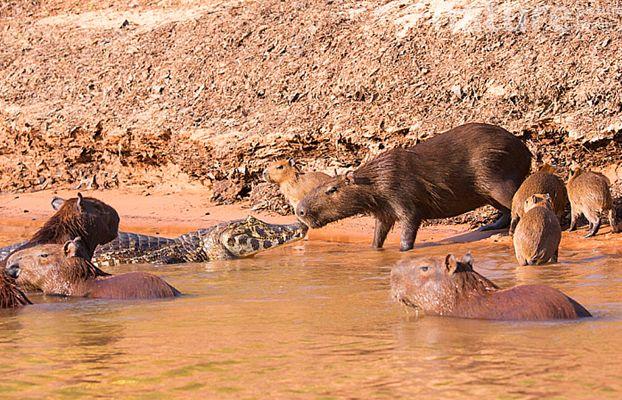
  • Capybara calmly resting among different animal species near water.

    Capybara calmly resting among different animal species near water.

    https://images.openai.com/static-rsc-4/FDZbmNweharnjBGgOe0jxPDeU9jreozRCbHm5cEyvZYcty4Fl-ENYHuKq-VqAE6IC6CsIbCaK5V46ehY8CkyqHetJ-ZAc70-yZjSijlc0jRe4lN_bquIx4qiWziyrCIqG_VnbOjTA8wmmlyFZZuwrS_nwofRTW8ItS809mkZZHaWQ0lSgNAgKYqlbmxVK7Tv?purpose=fullsize
    https://images.openai.com/static-rsc-4/Tc2O4w8DlSb_xeB82pAwPToC5CINwf2hLOWe3-zgGBr71-3QeAOCdAg9UU8nN7KNLvmcCgrQ7KHAfGnIdHNkUh-BYhmFsUpjdFCun8R7ODDn48lGKhetZcb45m0uSUkGpwk_GdgcvVqD-EZ7bVOTzBslDmvuHXmwZhLx4HSQlbj6i2YcOfhhT1Nbf5jYnrRi?purpose=fullsize
    https://images.openai.com/static-rsc-4/26jr76nzJgE0nntfcmwboxz1nrlBjK-8IYenzbQYIQOTGgdQ1wjcQg-GJ_tYYndUm6WuhGbw30fndXEB8hex7PUXJUrTqdha4GdDhdS-u-wPlaXDKx1DaAmPd-bFRcfbYQo0MDq9vG82BBs0_tBS9zAJDw4Tm22F6fZ89GGrhNSQGafieeE8gntnHJxhuqJ1?purpose=fullsize

    Category: Wildlife / Strange Animal Stories / Nature
    Tags: capybara, friendly animals, unusual animal behavior, wildlife stories, peaceful animals, animal friendships, nature facts, strange animal stories

    Featured Image Alt Text:
    Capybara calmly resting among different animal species near water.

    The Animal That Makes Friends With Everyone: Why Even Crocodiles Rarely Fight With the Capybara

    Most animals have enemies.

    Some defend territory. Others compete for food. Many avoid strangers entirely.

    But one animal seems to ignore all those rules.

    Meet the capybara—the world’s largest rodent and possibly one of nature’s most peaceful creatures.

    Across South America, capybaras have become famous for something unusual: they are regularly seen relaxing beside birds, sharing space with monkeys, tolerating cats and dogs, and sometimes even sitting surprisingly close to crocodilians without conflict.

    It almost looks impossible.

    How does one animal seem to get along with nearly everyone?


    A Giant Rodent With an Unexpected Personality

    Capybaras live in wetlands, rivers, and grassy areas where many other species gather.

    Unlike highly territorial animals, capybaras are social and calm.

    They usually live in groups and spend much of their day eating grasses, resting, swimming, and staying alert for danger.

    Because they are herbivores, they do not compete with predators for food.

    That alone reduces many possible conflicts.

    Their relaxed body language also appears to make other animals less defensive.


    Why Birds Love Capybaras

    One of the most common wildlife scenes shows birds standing directly on capybaras.

    Small birds often search for insects around their bodies or simply use them as safe resting places.

    Capybaras rarely react aggressively.

    Instead of chasing visitors away, they usually continue resting.

    This creates the appearance of an open invitation.


    The Strange Relationship With Crocodilians

    Perhaps the most surprising images show capybaras sitting near crocodilians.

    In South America, capybaras sometimes share water environments with caimans.

    To people, it looks like an impossible friendship.

    But reality is more complicated.

    Capybaras remain cautious and stay aware of danger.

    At the same time, crocodilians do not attack constantly. Predators conserve energy and often ignore animals unless hunting conditions are favorable.

    Because capybaras are calm and predictable, peaceful moments can happen—and photographers capture them.

    That does not mean capybaras are immune from predation.

    It simply means nature is often more peaceful than people expect.


    Friends Across Species

    Capybaras have become famous for accepting company from many animals.

    Photographs frequently show them alongside:

    • Ducks
    • Monkeys
    • Turtles
    • Birds
    • Rabbits
    • Domestic animals

    Their quiet behavior and lack of aggression make them unusually tolerant neighbors.


    Nature’s Most Relaxed Animal?

    Capybaras still face dangers in the wild.

    They must watch for predators and remain alert.

    But compared with many animals, they appear remarkably calm.

    Maybe that is why people around the world love them.

    In a world where survival often means competition, the capybara became famous for something different.

    Not speed.

    Not strength.

    Not size.

    Just getting along.

    And somehow, that made this giant rodent one of the internet’s favorite animals.
  • Not Photoshop: 7 Animals Born in Colors So Strange Scientists Had to Look Twice

    Not Photoshop: 7 Animals Born in Colors So Strange Scientists Had to Look Twice

    Image
    Image
    Image
    Image
    Image
    Image
    Image

    Not Photoshop: 7 Animals Born in Colors So Strange Scientists Had to Look Twice

    If someone showed you an orange penguin or a black flamingo, you might assume the image had been edited.

    But nature occasionally produces animals with colors so unusual that even researchers stop and stare.

    Most species develop colors that help them survive—camouflage, warning signals, temperature control, or attracting mates. Yet every so often, genetics creates something unexpected.

    These animals are not new species.

    They are simply extraordinary versions of familiar ones.

    Here are seven real examples of animals born with colors that made them look almost impossible.


    1. The Orange Penguin That Shocked Wildlife Photographers

    Penguins are famous for their black-and-white appearance.

    That’s why photographers were stunned when an unusually orange-colored penguin appeared.

    Scientists believe rare pigment abnormalities can reduce darker feather colors and create lighter golden or orange tones.

    The result looked less like a penguin and more like a tropical bird.

    Alt Text: Rare orange-colored penguin standing among ordinary penguins.


    2. The White Crow That Lost Its Darkness

    Crows are symbols of glossy black feathers.

    But occasionally, a crow appears almost completely white.

    This unusual appearance often results from leucism—a condition that reduces pigment while preserving normal eye color.

    White crows attract enormous attention because they break one of nature’s most recognizable color patterns.

    Alt Text: Rare white crow perched outdoors with pale feathers.


    3. The Golden Turtle That Looked Metallic

    Most turtles disappear into mud, rocks, and vegetation.

    Then there are the rare yellow or golden individuals.

    Their shells can appear bright enough to look painted.

    Researchers study these rare color changes to better understand reptile pigmentation.

    Alt Text: Golden-colored turtle with unusual bright shell.


    4. The Nearly Black Flamingo

    Flamingos are famous for pink feathers.

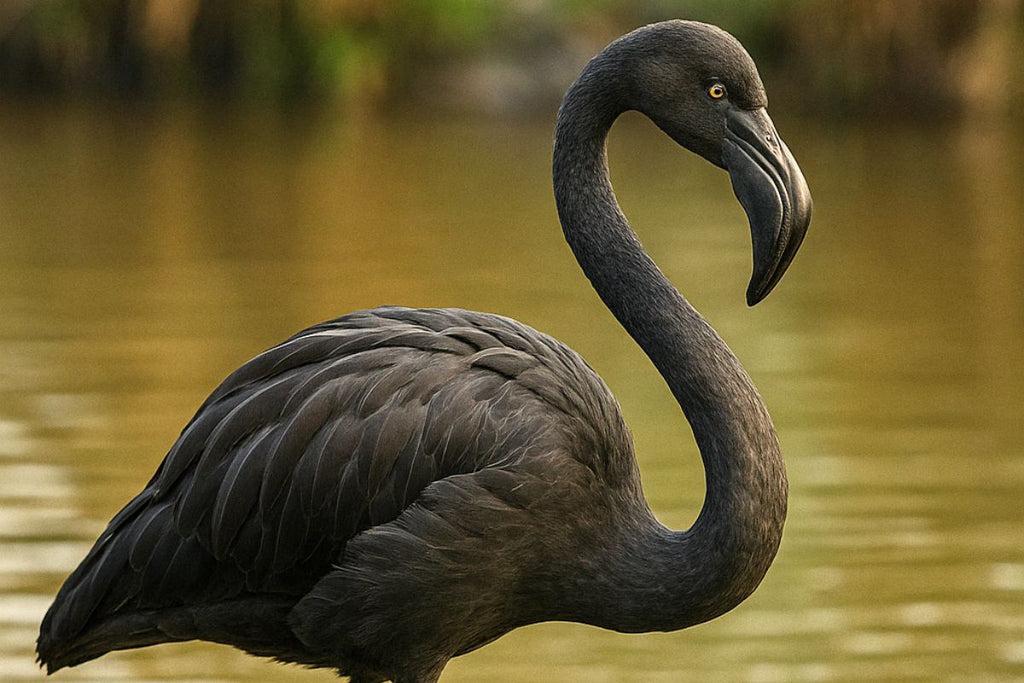
    A black flamingo sounds impossible.

    Yet rare individuals with unusually dark pigment have been documented.

    The contrast creates one of the strangest sights in bird watching—a bird known for brightness appearing almost shadow-colored.

    Alt Text: Rare dark flamingo standing among pink flamingos.


    5. The White Moose That Became a Legend

    Moose are usually dark brown and blend into forests.

    But rare white moose can appear almost glowing between trees.

    Unlike albino animals, many retain normal eyes and are believed to carry reduced pigmentation rather than complete pigment loss.

    People who see one often describe the experience as unforgettable.

    Alt Text: Rare white moose walking through woodland.


    6. The Yellow Cobra That Looks Unreal

    Cobras usually rely on darker colors for protection and concealment.

    Occasionally, rare yellow individuals appear because of unusual genetic traits.

    Their bright color transforms one of the world’s most recognizable snakes into something that seems almost fictional.

    Alt Text: Yellow cobra displaying unusual bright coloration.


    7. The Red Banana Slug

    Slugs may not sound exciting—until one appears bright red.

    Some banana slug color variations develop intense orange or red shades that stand out dramatically against forest floors.

    These strange colors remind us that unusual pigmentation is not limited to large or famous animals.

    Alt Text: Bright red banana slug moving across a forest surface.


    Why Does Nature Create These Color Surprises?

    Color mutations usually happen because pigment-producing cells behave differently during development.

    These changes can create animals that are:

    • Lighter than normal
    • Darker than normal
    • More colorful than expected
    • Completely unlike their own species

    Many unusual color variations reduce camouflage, making survival harder.

    But for people lucky enough to see them, they become unforgettable reminders that nature still creates surprises no one expects.

    Sometimes the rarest animal is not the rarest species—

    it is simply the wrong color..

  • This Crab Doesn’t Build a Home—It Steals a Snail Shell and Lives Inside It

    This Crab Doesn’t Build a Home—It Steals a Snail Shell and Lives Inside It

    Image
    Image
    Image
    Image
    Image
    Image
    Image

    This Crab Doesn’t Build a Home—It Steals a Snail Shell and Lives Inside It

    Imagine searching for a house not by building one—but by finding an abandoned shell and moving in.

    That’s exactly how one of the ocean’s most unusual animals survives.

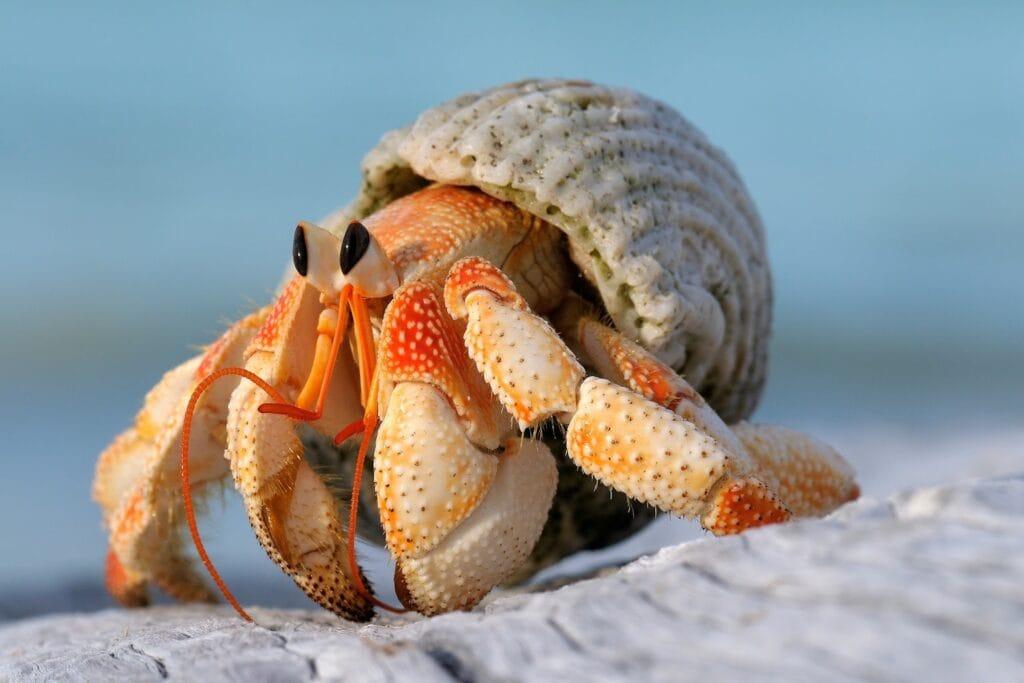
    Hermit crabs are famous for using empty snail shells as portable homes. Unlike most crabs, their bodies are not fully protected by a hard outer shell. Instead, they depend on abandoned snail shells as mobile shelters, carrying their homes everywhere they go.

    This strange lifestyle has turned hermit crabs into one of nature’s most fascinating examples of adaptation and survival.

    Why Hermit Crabs Need Borrowed Homes

    Most crabs have thick, armored bodies that protect them from predators and rough environments.

    Hermit crabs are different.

    Only the front part of their body is strongly protected. Their soft, curved abdomen remains vulnerable.

    To solve this problem, evolution created an unusual strategy.

    Hermit crabs search for empty snail shells and carefully move inside. Their curved bodies fit naturally into spiral interiors, creating a surprisingly secure shelter.

    The shell becomes more than protection—it becomes the crab’s bedroom, fortress, and transportation system.

    Without shells, many hermit crabs would struggle to survive.

    The Great Shell Hunt

    Finding the perfect shell is not easy.

    Hermit crabs spend large portions of their lives evaluating potential homes.

    A shell must be:

    • Large enough to fit comfortably
    • Light enough to carry
    • Strong enough to resist predators
    • Shaped correctly for balance and movement

    Crabs inspect shells carefully before committing.

    They rotate around openings, test the interior using their claws, and sometimes enter partially before deciding.

    If a shell feels wrong, they quickly move on.

    A poor shell choice may reduce movement speed or increase vulnerability.

    Real Estate Competition Underwater

    Suitable shells are valuable.

    In some environments, shell availability becomes so limited that competition intensifies.

    Researchers have observed hermit crabs gathering in groups whenever an empty shell appears.

    Sometimes a chain of crabs forms—smallest to largest—waiting for a shell exchange.

    When one crab upgrades to a larger shell, another immediately occupies the abandoned one, creating an orderly housing market beneath the sea.

    This phenomenon is often called a “vacancy chain.”

    Instead of fighting constantly, many crabs benefit from timing and opportunity.

    Moving Day: One of Nature’s Fastest Decisions

    Changing shells is risky.

    During the transfer, a hermit crab briefly exposes its soft body.

    Predators such as fish and octopuses may attack during these vulnerable moments.

    Because of this danger, shell changes happen incredibly fast.

    The crab positions both shells close together and performs a rapid switch that can take only seconds.

    This quick relocation reduces exposure and increases survival.

    Scientists studying shell exchanges continue discovering how accurately crabs judge shell size and quality.

    More Than Protection: Shells Become Ecosystems

    Over time, a hermit crab’s shell may become home to more than one creature.

    Small algae, marine worms, and tiny organisms sometimes attach to the outside.

    Some hermit crabs even develop partnerships with sea anemones.

    The anemones gain transportation and access to food scraps.

    The crab gains additional defense because anemones possess stinging cells that discourage predators.

    What begins as a discarded snail shell can eventually become a tiny moving ecosystem.

    Growing Means Constantly Moving

    Hermit crabs never stop growing.

    As they increase in size, their shells eventually become too small.

    This means they must repeatedly search for larger homes throughout life.

    Young crabs may switch frequently.

    Older individuals can become extremely selective.

    Growth creates constant pressure to find better housing.

    In areas where snail populations decline or shells become scarce, hermit crab survival may also decrease.

    Their entire lifestyle depends on the availability of abandoned shells.

    Unexpected Intelligence in Tiny Creatures

    Hermit crabs demonstrate surprisingly complex behavior.

    Studies suggest they compare shell quality, remember locations, and evaluate future opportunities.

    Some even wait strategically near larger crabs, expecting shell exchanges.

    Their decisions balance energy use, protection, and long-term survival.

    For such small animals, their behavior appears remarkably sophisticated.

    Why Hermit Crabs Fascinate People

    Part of the appeal comes from how relatable their behavior feels.

    Humans search for homes.

    Hermit crabs search for homes.

    Humans upgrade when life changes.

    Hermit crabs do the same.

    Their unusual relationship with abandoned snail shells transforms something simple into one of the ocean’s most memorable survival stories.

    Final Thoughts

    Hermit crabs prove that survival doesn’t always require building something new.

    By transforming abandoned snail shells into portable shelters, these animals created one of nature’s most elegant solutions to a difficult problem.

    Every shell tells a story.

    First, it belonged to a snail.

    Then, after being abandoned, it became a traveling nest for a crab.

    In the ocean, even an empty shell can begin a second life.

    Image Alt Text

    Figure 1:
    Close-up of a hermit crab partially emerging from an empty snail shell on the ocean floor.

    Figure 2:
    Small hermit crab carrying a spiral snail shell while moving across sandy seabed.

    Figure 3:
    Hermit crab inspecting a larger shell before changing homes underwater.

    Figure 4:
    Several hermit crabs gathered together competing for available shells.

    Figure 5:
    Colorful hermit crab using an abandoned shell as a portable shelter.

    Figure 6:
    Macro view showing the detailed claws and shell opening of a hermit crab.

    Figure 7:
    Hermit crab walking across the seafloor carrying its protective shell

  • The Freshwater Giant That Can Weigh More Than 300 Kilograms

    The Freshwater Giant That Can Weigh More Than 300 Kilograms

    The Largest Freshwater Fish Ever Recorded Shocked the World


    Image
    Image
    Image
    Image
    Image
    Image
    Image

    Alt Text for Images

    1. Giant freshwater stingray resting on the riverbed.
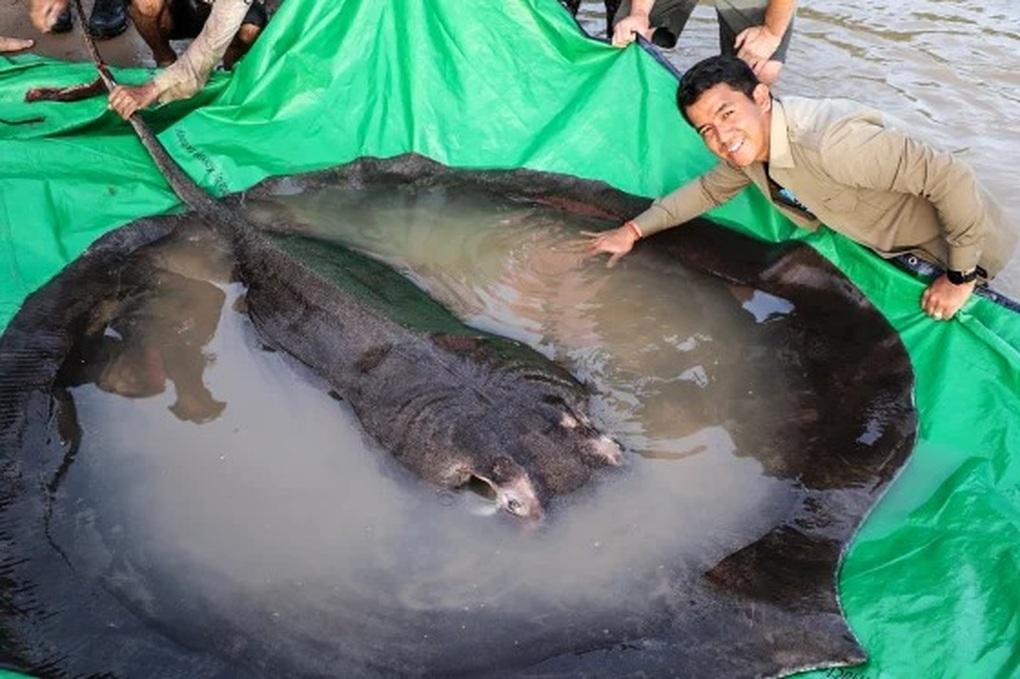
    2. Massive freshwater stingray discovered by researchers.
    3. Giant stingray in the Mekong River ecosystem.
    4. Comparison between giant freshwater fish species.
    5. Scientists studying a giant freshwater stingray.
    6. Freshwater habitat supporting large aquatic animals.
    7. Conservation efforts to protect giant freshwater fish.

    The World’s Largest Freshwater Fish: Meet the Giant Freshwater Stingray

    Deep beneath the muddy waters of Southeast Asia’s rivers lives one of the most extraordinary creatures on Earth—the giant freshwater stingray. Known for its incredible size and mysterious lifestyle, this remarkable animal has captured the attention of scientists, conservationists, and wildlife enthusiasts around the world.

    Freshwater ecosystems contain thousands of fish species, ranging from tiny minnows to enormous giants. Among them, the giant freshwater stingray stands out as one of the largest freshwater fish ever documented. Some individuals can grow to extraordinary dimensions, reaching lengths of several meters and weighing more than 300 kilograms.

    A True Giant of the Rivers

    The giant freshwater stingray is primarily found in major river systems throughout Southeast Asia, especially within the Mekong River. This species spends much of its life near the river bottom, where it uses its flattened body to blend into sandy or muddy environments.

    Unlike many large marine stingrays that inhabit oceans, the giant freshwater stingray has adapted to life entirely in freshwater environments. Its broad, disc-shaped body allows it to move gracefully across the riverbed while searching for food.

    Researchers have documented specimens so large that they rival some of the world’s most impressive aquatic animals. The sheer size of these creatures often surprises local fishermen who occasionally encounter them during their daily activities.

    Physical Characteristics

    One of the most striking features of the giant freshwater stingray is its enormous body width. Adult individuals can exceed two meters in width and possess long tails equipped with sharp defensive spines.

    Their coloration typically consists of brown or gray shades that help camouflage them against river sediments. This natural camouflage provides protection from potential threats and helps them remain hidden while hunting prey.

    Despite their intimidating appearance, these stingrays are generally not aggressive toward humans. They prefer to avoid confrontation and usually remain motionless when disturbed.

    Diet and Feeding Habits

    The giant freshwater stingray is a carnivorous predator. It feeds primarily on fish, crustaceans, mollusks, and other aquatic organisms found along river bottoms.

    Using specialized sensory organs, the stingray can detect movements and electrical signals produced by nearby prey. Once a suitable target is identified, the stingray quickly captures it using powerful jaws designed for crushing hard-shelled animals.

    This feeding strategy plays an important role in maintaining ecological balance within freshwater ecosystems. By controlling populations of smaller aquatic creatures, the stingray contributes to the overall health of river environments.

    Habitat and Distribution

    The giant freshwater stingray inhabits large rivers, deep pools, and slow-moving freshwater channels. These environments provide the space and food resources necessary to support such massive animals.

    Historically, the species has been recorded in several Southeast Asian countries. River systems connected to the Mekong basin have become particularly famous for sightings and scientific studies involving these extraordinary fish.

    Because these animals require healthy freshwater habitats, they are highly vulnerable to environmental changes. Pollution, dam construction, and habitat destruction can significantly affect their populations.

    Record-Breaking Discoveries

    In recent years, scientists and conservation groups have reported astonishing discoveries involving giant freshwater stingrays. Some specimens have broken records for size and weight, demonstrating just how enormous freshwater fish can become.

    One famous specimen weighed hundreds of kilograms and required multiple people to safely measure and release it back into the river. Such discoveries highlight the importance of continued scientific research and conservation efforts.

    These record-breaking individuals remind us that many mysteries still exist beneath the surface of the world’s rivers. Even today, researchers continue learning new information about the biology and behavior of giant freshwater fish.

    Importance to Ecosystems

    Large freshwater species often serve as indicators of ecosystem health. When populations of giant freshwater stingrays remain stable, it suggests that river habitats are functioning properly.

    Healthy rivers support countless forms of life, including fish, birds, reptiles, mammals, and aquatic plants. The giant freshwater stingray represents an important component of this complex ecological network.

    Protecting these animals helps safeguard entire freshwater ecosystems that millions of people depend upon for food, transportation, and economic activities.

    Conservation Challenges

    Unfortunately, giant freshwater stingrays face numerous threats in the modern world. Overfishing, habitat degradation, pollution, and infrastructure development have contributed to declining populations in some regions.

    Many conservation organizations are working to better understand these animals and implement strategies for their protection. Educational programs also help local communities appreciate the ecological value of freshwater biodiversity.

    Scientists emphasize that conservation efforts must focus not only on individual species but also on preserving the rivers and habitats that support them.

    Fascinating Facts

    • Giant freshwater stingrays can weigh over 300 kilograms.
    • They are among the largest freshwater fish ever recorded.
    • Their flattened bodies help them hide on river bottoms.
    • They possess sharp tail spines used for defense.
    • They rely on electrical sensing abilities to locate prey.
    • They can live in deep river channels for many years.
    • They play an important role in maintaining river ecosystem balance.

    Why These Giants Matter

    The giant freshwater stingray represents one of nature’s most impressive freshwater creatures. Its enormous size, unique adaptations, and ecological significance make it a symbol of the remarkable biodiversity found within the world’s rivers.

    As scientific exploration continues, these incredible fish remind us that freshwater environments still hold many secrets waiting to be discovered. Protecting river ecosystems today ensures that future generations can continue to marvel at the world’s largest freshwater fish.

    Whether viewed as a biological wonder, a conservation priority, or simply an extraordinary animal, the giant freshwater stingray stands as one of the most fascinating inhabitants of our planet’s freshwater habitats.