Tag: nature stories

  • Born Different: 7 Animals With Stunning Color Mutations That Made Them Look Like Another Species

    Born Different: 7 Animals With Stunning Color Mutations That Made Them Look Like Another Species

    Born Different: 7 Animals With Stunning Color Mutations That Made Them Look Like Another Species

    Image
    Image
    Image
    Image

    Born Different: 7 Animals With Stunning Color Mutations That Made Them Look Like Another Species

    Nature usually follows familiar patterns. Zebras wear black-and-white stripes. Lobsters appear dark green or brown. Penguins arrive in classic tuxedo colors.

    But sometimes, nature surprises everyone.

    Across the world, a tiny number of animals are born with unusual pigments that transform their appearance completely. Some turn pure white. Others become golden, blue, pink, or nearly black. These color differences can make them look like entirely different species.

    Scientists often link these unusual appearances to rare genetic mutations affecting pigment production. While these animals may look magical, their strange colors can bring both advantages and challenges in the wild.

    Here are seven remarkable examples of animals born unlike the rest of their species.


    1. The White Alligator That Looked Like a Mythical Creature

    Image
    Image
    Image

    At first glance, a white alligator barely looks real.

    Most alligators develop dark olive skin that helps them hide in muddy water. But a rare genetic condition called leucism reduces normal pigmentation, leaving the animal with pale or nearly white skin.

    Unlike complete albinism, leucistic animals may still retain some normal eye coloration.

    White alligators face major survival challenges in the wild. Their bright appearance makes camouflage difficult, leaving them easier to spot by predators and prey alike.

    Because of this, many documented white alligators live under protected conditions rather than surviving independently in nature.

    Image Alt Text: Rare white alligator resting near water with pale scales and light eyes.


    2. The Pink Grasshopper That Looks Digitally Edited

    Image
    Image
    Image
    Image

    Imagine walking through a green field and spotting a bubblegum-pink grasshopper.

    It sounds impossible—but pink grasshoppers are real.

    Their unusual appearance is often linked to a rare pigment condition called erythrism, which causes excessive red or pink coloration.

    While ordinary grasshoppers blend easily into vegetation, pink individuals stand out dramatically.

    Scientists believe these unusual insects may appear only once in hundreds of thousands of individuals, making every sighting memorable.

    Unfortunately, visibility can also become a disadvantage because camouflage is essential for survival.

    Image Alt Text: Bright pink grasshopper sitting on a green leaf in natural sunlight.


    3. The Blue Lobster That Defies Ocean Expectations

    Image
    Image
    Image
    Image
    Image
    Image
    Image

    Blue lobsters have become internet celebrities—but they are genuinely rare.

    Most lobsters carry dark shell colors that help them remain hidden along the ocean floor. In rare cases, genetic changes cause an overproduction of certain proteins linked to shell pigmentation.

    The result is a brilliant electric-blue shell.

    Some estimates suggest blue lobsters appear only once in millions of individuals.

    Fishermen occasionally discover them and choose to donate them to aquariums rather than sell them.

    Their unusual appearance has helped turn them into symbols of rare natural beauty.

    Image Alt Text: Rare blue lobster with vivid shell coloration underwater.


    4. The Golden Zebra That Lost Its Signature Stripes

    Image
    Image
    Image
    Image
    Image
    Image
    Image
    Image
    Image
    Image
    Image
    Image
    Image
    Image
    Image
    Image
    Image
    Image
    Image
    Image
    Image
    Image
    Image
    Image
    Image
    Image
    Image
    Image
    Image
    Image
    Image
    Image
    Image
    Image
    Image
    Image

    Zebras are famous for one thing: bold black stripes.

    But a few rare individuals are born with reduced dark pigmentation, creating pale gold or blond coloring.

    These animals still retain stripe patterns—but the colors appear softer and much lighter than usual.

    Researchers believe unusual pigment expression during development may alter stripe intensity.

    Because zebras depend partly on visual group patterns, scientists continue studying whether these color differences affect social behavior.

    To observers, however, they look almost unreal.

    Image Alt Text: Rare golden zebra standing in grassland with pale stripe coloration.


    5. The Dark Penguin Wearing a Reverse Tuxedo

    Image
    Image
    Image

    Penguins are icons of black-and-white contrast.

    Yet some are born with melanism, a condition that produces excessive dark pigment.

    Instead of white bellies and balanced patterns, these individuals appear dramatically darker.

    Scientists have observed melanistic penguins in several species, creating birds that almost look redesigned.

    Color changes may influence heat absorption and recognition within colonies, although research continues.

    Their appearance reminds us that even one of the world’s most recognizable animals can break its own rules.

    Image Alt Text: Dark-colored penguin with unusual black plumage standing among normal penguins.


    6. The Snow-White Deer That Became a Local Legend

    Image
    Image
    Image

    White deer have inspired legends for centuries.

    Many owe their appearance to albinism or leucism—conditions that reduce normal pigment production.

    With bright coats and striking appearances, these deer often become local celebrities whenever spotted.

    But life can be difficult.

    Reduced camouflage and, in some cases, vision sensitivity may create additional survival pressures.

    Even so, their graceful appearance continues to fascinate photographers and wildlife enthusiasts.

    Image Alt Text: White deer standing quietly inside a forest clearing.


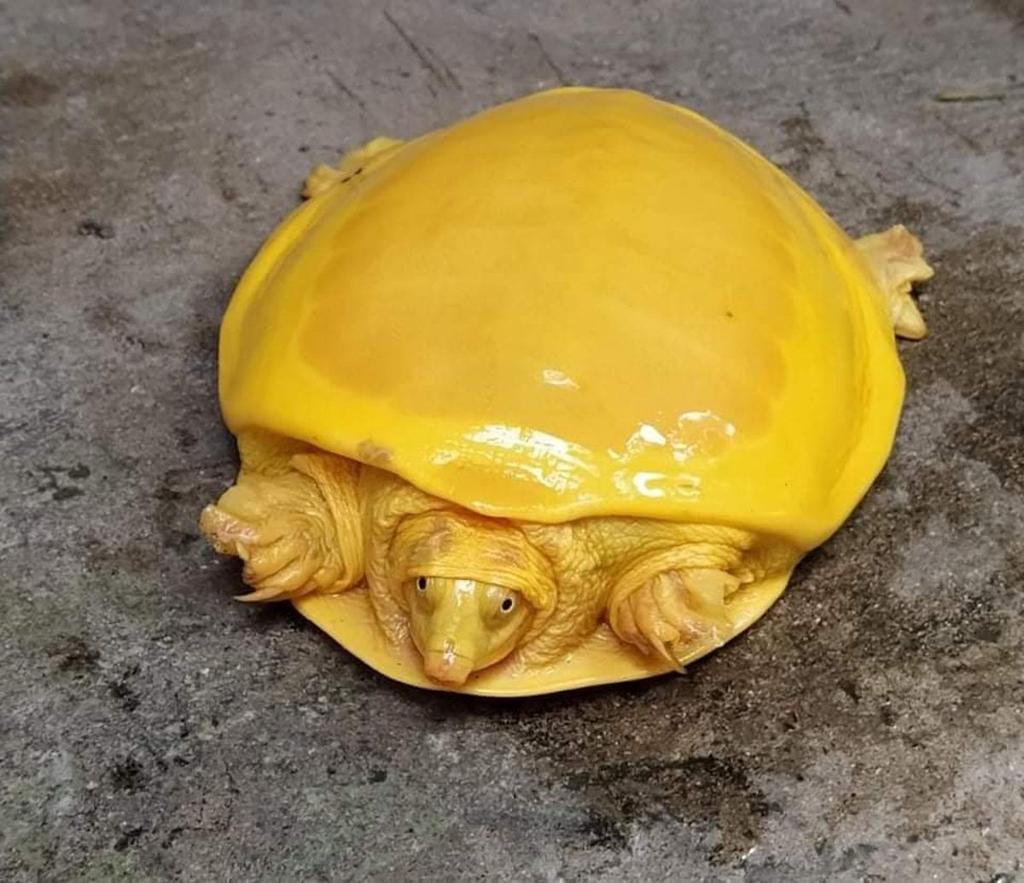
    7. The Yellow Turtle That Looked Like It Was Painted

    Image
    Image
    Image

    Most turtles rely on muted greens, browns, and dark patterns.

    Occasionally, however, a turtle emerges with unusually bright yellow coloring caused by pigment abnormalities.

    These turtles immediately attract attention because their shells and skin can appear almost glowing.

    Scientists view such cases as valuable opportunities to understand how genes influence coloration across reptile species.

    To the public, they simply look unforgettable.

    Image Alt Text: Rare yellow turtle displaying unusual bright shell and skin coloration.


    Why Do These Strange Colors Happen?

    Unusual animal colors usually result from changes in pigment-producing cells or inherited genetic variations.

    Some common causes include:

    • Albinism – little or no melanin production
    • Leucism – reduced overall pigmentation
    • Melanism – excess dark pigment
    • Erythrism – increased red or pink coloration
    • Unique genetic mutations affecting color proteins

    While these differences can make animals famous, survival in the wild often becomes harder because camouflage plays such an important role.

    Still, every rare-colored animal offers a reminder that nature never repeats itself perfectly.

    Sometimes the most extraordinary creatures are not new species at all—they are simply familiar animals born in colors nobody expected.
  • Strange Stories of Animals That Swallow or Eat Things Larger Than Themselves

    Strange Stories of Animals That Swallow or Eat Things Larger Than Themselves

    Image
    Image
    Image
    Image

    Strange Stories of Animals That Swallow or Eat Things Larger Than Themselves


    Nature’s Impossible Meals

    If humans attempted to eat objects larger than their own heads—or sometimes larger than their entire bodies—it would sound absurd. Yet across forests, oceans, wetlands, and even backyards, certain animals perform feeding feats that appear impossible at first glance.

    Evolution has created remarkable solutions to a simple challenge: survive by eating what others cannot.

    Some animals stretch their jaws. Others unfold hidden body parts. A few temporarily reshape themselves. And in rare cases, they gamble everything on meals so oversized that the process can take hours—or even days.

    These strange feeding stories are not examples of greed. They are highly specialized survival strategies developed over millions of years.

    Here are some of the most surprising animals known for swallowing—or attempting to swallow—things larger than themselves.


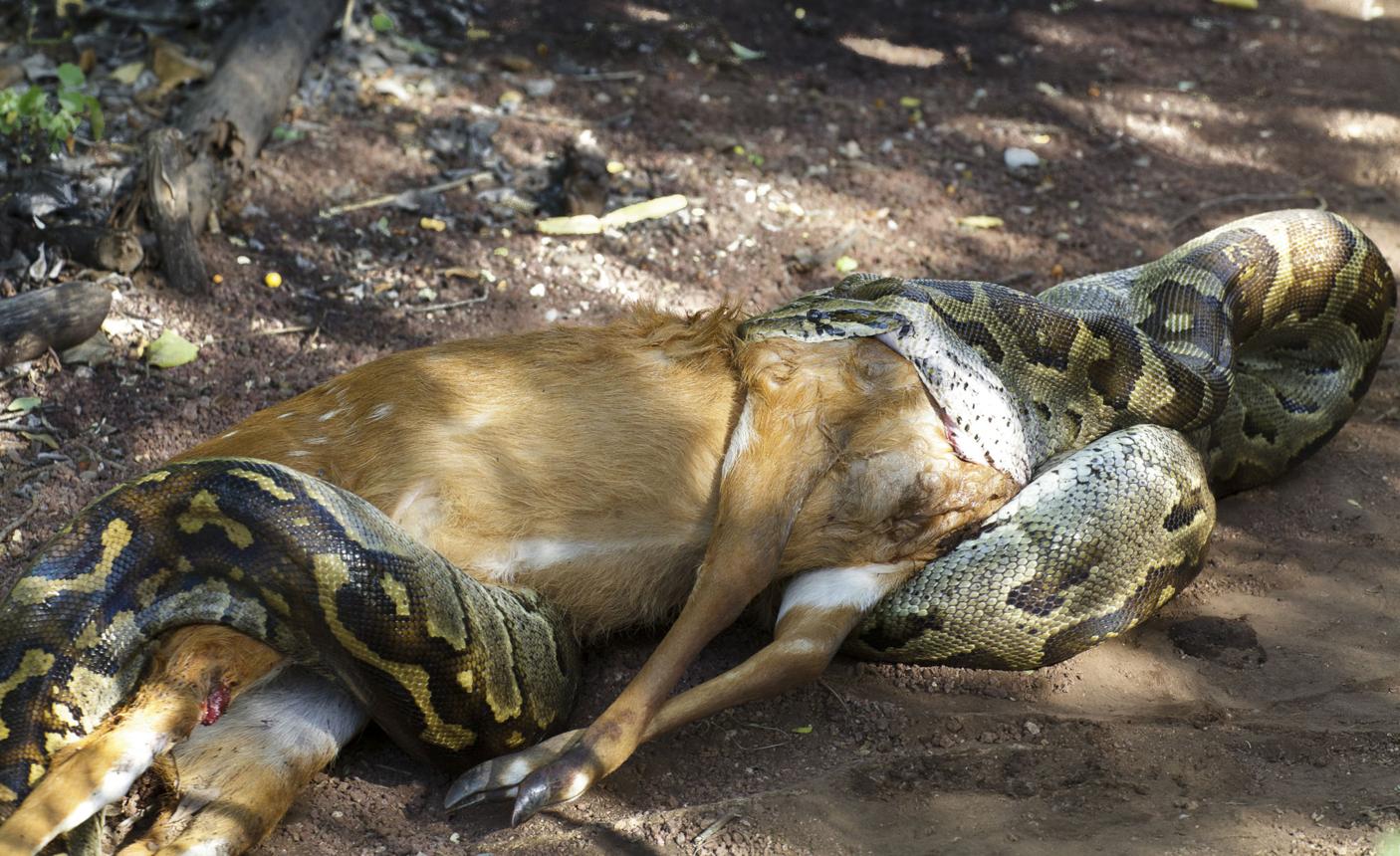
    1. The Snake That Turns Into a Living Conveyor Belt

    Image Alt Text:
    Large python slowly swallowing prey much wider than its own body.

    Snakes are probably the most famous oversized eaters on Earth—but even among snakes, some feeding events seem almost unreal.

    Unlike mammals, many snakes have jaws that are not rigidly fused together. Their lower jaws are connected by stretchy ligaments, allowing each side to move independently.

    This means a python doesn’t “unhinge” its jaw—despite the common myth. Instead, it gradually walks its mouth over prey using alternating jaw movements.

    Large pythons and anacondas have been documented swallowing animals that appear dramatically too large to fit inside their bodies:

    • Deer
    • Wild pigs
    • Capybaras
    • Antelope
    • Small crocodilians

    Once swallowed, digestion becomes an intense biological operation. Blood flow shifts toward digestion, metabolism accelerates, and powerful stomach acids begin breaking down bone and tissue.

    For a giant snake, one enormous meal can provide energy for weeks—or even months.

    But oversized meals are risky. If disturbed during digestion, some snakes will regurgitate prey because moving with a massive meal inside becomes difficult.

    Their strategy is simple: eat rarely, but eat big.


    2. Pelicans: Birds With Expandable Grocery Bags

    Image Alt Text:
    Pelican holding an unexpectedly large fish inside its enormous throat pouch.

    Pelicans may look calm and graceful while floating across lakes, but their feeding equipment is extraordinary.

    The huge pouch beneath a pelican’s bill is not for storing food long term—it acts more like a temporary fishing net.

    Pelicans scoop water and prey together, then drain the water before swallowing.

    What surprises many observers is the scale.

    Pelicans have been seen attempting to swallow fish so large they distort the shape of the bird’s neck. In unusual cases, they’ve also tried to consume:

    • Ducks
    • Large amphibians
    • Seabirds
    • Unexpected floating food items

    The pouch can expand dramatically and briefly hold far more volume than seems physically possible.

    Occasionally, ambitious feeding attempts fail when prey proves impossible to position correctly.

    But when successful, the entire process looks less like eating and more like a carefully choreographed swallowing performance.


    3. Deep-Sea Gulper Eels and Their Balloon-Like Mouths

    Image Alt Text:
    Deep sea gulper eel displaying its oversized expandable mouth.

    Thousands of meters below the ocean surface lives an animal that seems designed by imagination rather than evolution.

    The gulper eel has a body that looks relatively ordinary—until it opens its mouth.

    Its mouth expands into a giant flexible pouch capable of engulfing prey much larger than expected.

    Unlike fast predators that chase prey, gulper eels survive in an environment where food can be scarce. Missing opportunities could mean long periods without eating.

    Because of that, they evolved a “take it if you can” strategy.

    Their jaws open wide, and their stomachs stretch enough to process unexpectedly large catches.

    Scientists believe this adaptation allows them to maximize rare encounters in the dark deep ocean.

    When food appears, size becomes less important than opportunity.


    4. Frogs That Ignore the Rules of Proportion

    Image Alt Text:
    Frog attempting to swallow prey nearly the same size as itself.

    Frogs seem harmless until you watch them eat.

    Many species operate with a simple rule:

    If it moves and fits even remotely into the mouth, try.

    Large frogs have been recorded eating:

    • Mice
    • Small birds
    • Other frogs
    • Lizards
    • Snakes

    The swallowing process looks dramatic because frogs often use their eyes to assist feeding.

    Their eyeballs sink downward while swallowing, helping push food toward the throat.

    Some species can stretch enough to consume prey approaching their own body size.

    The meal may leave the frog looking oddly inflated afterward.

    Unlike predators that tear food apart, frogs commit completely: once swallowing starts, there is usually no turning back.


    5. The Anaconda and the Case of the Impossible Shape

    Image Alt Text:
    Green anaconda digesting unusually large prey along a riverbank.

    Stories about giant snakes are common, but anacondas deserve special attention because of where they hunt.

    Water changes everything.

    In rivers and wetlands, buoyancy reduces the difficulty of controlling large prey.

    That allows anacondas to target surprisingly bulky animals.

    Observers have documented anacondas swallowing prey that completely changes the snake’s body profile into enormous rounded forms.

    The process is slow.

    First comes constriction.

    Then positioning.

    Then swallowing begins—a sequence of muscular movements that can continue for hours.

    Afterward, the snake may remain inactive for long periods while digestion transforms one giant meal into stored energy.

    Few animals demonstrate patience and mechanical precision as dramatically.


    6. The Tiny Predator With Giant Ambitions: The Star-Nosed Mole

    Image Alt Text:
    Star nosed mole feeding rapidly underground.

    Not every oversized eater is huge.

    The star-nosed mole is small enough to fit in your hand, yet it consumes astonishing amounts relative to body size.

    Its strange nose contains thousands of sensory receptors that allow it to identify edible targets almost instantly.

    Instead of swallowing gigantic individual prey, it wins through speed.

    Researchers observed feeding decisions occurring in fractions of a second.

    For such a tiny animal, the amount consumed across a day can seem disproportionate to body size.

    Its strategy isn’t stretching.

    It’s overwhelming volume.

    Eat constantly. Stay alive.


    7. When Eating Too Much Becomes Dangerous

    Image Alt Text:
    Wild predator resting after consuming oversized prey.

    Oversized feeding is impressive—but dangerous.

    Animals that attempt giant meals face real risks:

    Mobility Problems

    A full stomach can make escape difficult.

    Digestion Costs

    Processing huge meals demands enormous energy.

    Overheating

    Metabolism may spike dramatically.

    Physical Injury

    Prey can sometimes fight back.

    Suffocation Risks

    Improper swallowing angles can become fatal.

    Nature rewards efficiency—but it does not guarantee success.

    Many dramatic feeding attempts never end well.

    That balance between reward and risk is what makes these stories so remarkable.


    Why Evolution Keeps Producing Extreme Eaters

    Oversized eating evolved repeatedly because it solves one major problem: uncertainty.

    If food appears rarely, eating big becomes efficient.

    If competition is intense, unusual feeding methods create advantages.

    If survival windows are short, maximizing each opportunity matters.

    From deep oceans to tropical wetlands, animals continue proving that our idea of “too big to eat” often doesn’t apply outside the human world.

    The next time you see a snake, a pelican, or even a small frog, remember:

    Some of nature’s strangest creatures survive by attempting meals that seem physically impossible—and sometimes succeeding.