Tag: Nature Wonders

  • Nature’s Rarest Wonders: 7 Animals Born With Astonishing Colors That Defy Their Species

    Nature’s Rarest Wonders: 7 Animals Born With Astonishing Colors That Defy Their Species

    Nature’s Rarest Wonders: 7 Animals Born With Astonishing Colors That Defy Their Species


    Image
    Image
    Image
    Image

    Nature’s Rarest Wonders: 7 Animals Born With Astonishing Colors That Defy Their Species

    Nature is full of surprises. While most animals are born with colors that help them survive in their environments, some are born with extraordinary appearances that make them look completely different from others of their species.

    These unusual colors are often caused by rare genetic mutations that affect pigmentation. In some cases, the mutation removes color entirely. In others, it creates darker, brighter, or even completely unexpected shades.

    Although these animals may appear magical, their unique coloration can make life more difficult. They often struggle to camouflage themselves, avoid predators, or find mates.

    Here are seven fascinating examples of animals born with colors so unusual that they seem almost unreal.

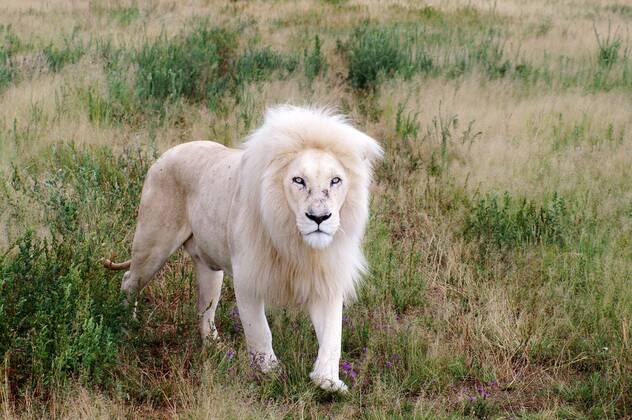
    1. The White Lion: A Ghost of the Savannah

    Lions are normally golden-brown, allowing them to blend into dry grasslands while hunting.

    However, a rare genetic condition sometimes produces white lions.

    Unlike albino animals, white lions still have normal eye and skin pigmentation. Their pale appearance is caused by a recessive gene known as leucism, which reduces pigment in the fur.

    White lions are incredibly rare in the wild. Their bright coats make camouflage difficult, especially during hunts.

    Despite these challenges, white lions remain among the most beautiful and mysterious animals ever documented.

    Many people mistake them for mythical creatures when they first see photographs.

    2. The Pink Grasshopper That Looks Like a Toy

    One of the strangest color mutations ever recorded occurs in grasshoppers.

    While most grasshoppers are green or brown, a tiny percentage are born bright pink.

    Scientists believe the unusual color results from a genetic condition called erythrism, which causes excessive red pigmentation.

    Pink grasshoppers are extremely rare, with some estimates suggesting only one in several hundred thousand develops this coloration.

    Because they stand out dramatically against vegetation, they are easier for birds and predators to spot.

    Even so, every time a pink grasshopper is discovered, photographs quickly spread across the internet because of its incredible appearance.

    3. The Black Penguin That Shocked Researchers

    Penguins are famous for their black-and-white coloring.

    Occasionally, however, a rare condition called melanism causes some penguins to develop unusually dark feathers.

    Instead of displaying the classic tuxedo appearance, melanistic penguins may appear almost entirely black.

    Wildlife researchers have documented a small number of these unusual birds in Antarctica and South America.

    The condition occurs when the body produces excessive amounts of melanin, the pigment responsible for dark coloration.

    These rare penguins often attract attention from both scientists and wildlife photographers due to their extraordinary appearance.

    4. The White Giraffe That Became a Legend

    Few animals have attracted as much global attention as the rare white giraffes discovered in East Africa.

    Their pale appearance is caused by leucism, a genetic condition that reduces skin pigmentation while maintaining normal eye color.

    Unlike ordinary giraffes, these animals appear almost completely white.

    When one of these giraffes was first photographed, many people believed the images had been digitally altered.

    However, the animals were real.

    Conservationists reported several sightings over the years, turning the white giraffe into an international wildlife sensation.

    Their unusual appearance made them easy to recognize, but unfortunately, it also made them vulnerable to human threats.

    5. The Golden Zebra That Looks Nothing Like a Zebra

    Zebras are known worldwide for their distinctive black-and-white stripes.

    Yet rare genetic mutations can dramatically alter this familiar pattern.

    A condition known as amelanism reduces dark pigmentation, creating zebras with golden-brown stripes instead of black ones.

    The result is a striking animal that appears almost golden under sunlight.

    These rare zebras have been observed in parts of Africa and occasionally in wildlife reserves.

    Researchers believe the mutation is extremely uncommon.

    To many observers, golden zebras look more like a completely different species than a variation of an ordinary zebra.

    6. The Albino Deer That Seems Almost Magical

    White deer have fascinated people for centuries.

    Legends and folklore often describe them as symbols of luck, mystery, or spiritual significance.

    In reality, albino deer owe their appearance to a genetic mutation that prevents the production of melanin.

    Unlike leucistic animals, albino deer typically have pink eyes and pink noses.

    Because their coloration makes camouflage difficult, they face greater risks from predators.

    Despite these challenges, sightings of albino deer continue to captivate wildlife enthusiasts around the world.

    Many communities even consider them local treasures.

    7. The Bright Orange Lobster That Defied the Odds

    Most lobsters are dark green, brown, or bluish while alive.

    A bright orange lobster is extraordinarily rare.

    Scientists estimate the odds of finding one may be as low as one in 30 million.

    The unusual coloration results from a genetic mutation that alters pigment production.

    Because orange lobsters are highly visible, they would struggle to hide from predators in the wild.

    Fortunately, many discovered orange lobsters are transferred to aquariums rather than being sold for food.

    Their vibrant color makes them instant attractions wherever they are displayed.

    Why Do These Strange Colors Happen?

    Most unusual animal colors result from genetic mutations affecting pigmentation.

    Some of the most common conditions include:

    • Albinism – Complete absence of melanin, producing white skin, fur, feathers, and often pink eyes.

    • Leucism – Partial loss of pigmentation while maintaining normal eye color.

    • Melanism – Excessive dark pigmentation, causing animals to appear much darker than normal.

    • Erythrism – Increased red pigmentation, producing reddish or pink coloration.

    These conditions are usually rare and occur naturally in wild populations.

    The Challenges of Being Different

    Although these animals look extraordinary, their unusual appearance often creates survival challenges.

    Camouflage is one of the most important defenses in nature.

    Animals with unusual colors frequently stand out against their surroundings.

    This makes them easier for predators to locate.

    In some species, unusual coloration can also affect social interactions and mating opportunities.

    However, many of these animals survive and thrive despite the challenges they face.

    Their existence demonstrates the incredible diversity of life on Earth.

    Nature’s Living Masterpieces

    From white lions and white giraffes to pink grasshoppers and orange lobsters, these remarkable animals remind us that nature is capable of producing astonishing surprises.

    Every rare color mutation tells a unique story about genetics, evolution, and survival.

    Although many of these animals are seen only rarely, their photographs continue to amaze millions of people around the world.

    They serve as living reminders that even in a world filled with familiar creatures, nature still has the power to surprise us.

    And sometimes, the rarest wonders are the ones that look completely different from everyone else around them.

    Additional Images for the Article

    Image 1 – White Lion

    Image
    Image
    Image
    Image
    Image
    Image
    Image
    Image
    Image
    Image
    Image
    Image
    Image
    Image
    Image
    Image
    Image
    Image
    Image
    Image
    Image
    Image
    Image
    Image
    Image
    Image
    Image
    Image
    Image
    Image
    Image
    Image
    Image
    Image
    Image
    Image
    Image
    Image
    Image
    Image
    Image

    Alt Text: Rare white lion displaying an unusual genetic color variation.

    Image 2 – Pink Grasshopper

    Image
    Image
    Image
    Image
    Image

    Alt Text: Rare pink grasshopper caused by a genetic pigmentation mutation.

    Image 3 – Black Penguin

    Image
    Image
    Image

    Alt Text: Unusual melanistic penguin with mostly black feathers.

    Image 4 – White Giraffe

    Image
    Image
    Image
    Image

    Alt Text: Extremely rare white giraffe standing in the African savannah.

    Image 5 – Golden Zebra

    Image
    Image
    Image
    Image
    Image
    Image

    Alt Text: Rare golden zebra with brownish stripes instead of black.

    Image 6 – Albino Deer

    Image
    Image

    Alt Text: Albino deer with white fur and pink eyes in a forest.

    Image 7 – Orange Lobster

    Image
    Image

    Alt Text: Extremely rare orange lobster caused by a genetic mutation.
  • Borrowed Babies: The Remarkable World of Animals That Become Parents by Chance

    Borrowed Babies: The Remarkable World of Animals That Become Parents by Chance

    Image
    Image
    Image
    Image
    Image
    Image

    Borrowed Babies: The Remarkable World of Animals That Become Parents by Chance

    Category

    Wildlife & Animal Behavior

    Introduction

    The natural world is often portrayed as a place where every creature fights for survival. Food is scarce, dangers are everywhere, and animals must constantly compete to pass on their genes. Because of this, scientists long believed that parental care was primarily a biological investment directed toward an animal’s own offspring.

    Yet nature has a habit of ignoring expectations.

    Across forests, oceans, grasslands, and even city parks, animals have been observed raising young that share none of their DNA. Some become foster parents to orphaned members of their own species. Others take in babies belonging to completely different animals. In rare cases, predators have even protected creatures they would normally hunt.

    These surprising relationships reveal that animal behavior is far more flexible than many people imagine. Whether driven by instinct, social bonds, hormones, or circumstances, foster parenting appears throughout the animal kingdom in fascinating ways.

    This is the story of nature’s borrowed babies.


    When Parenthood Starts with a Mistake

    Not every adoption begins with compassion.

    Sometimes an animal simply mistakes another youngster for its own. In crowded colonies or large social groups, babies can become separated from their parents. If another adult responds to their cries, an unexpected foster relationship may begin.

    For example, seals living in dense breeding colonies occasionally nurse pups that belong to neighboring mothers. Scientists believe confusion and close proximity make such mix-ups possible.

    What starts as a simple mistake can sometimes develop into a lasting bond, giving an unrelated youngster a better chance of survival.


    The Monkey That Chose a Puppy

    Among the most unusual examples documented by wildlife photographers are monkeys that adopt stray puppies.

    In several Asian communities, macaques have been seen carrying puppies, grooming them, and protecting them from danger. The puppies often follow their adoptive monkey parents throughout the day and become integrated into the group’s activities.

    Researchers suspect that puppies trigger caregiving instincts because they display many of the same characteristics as infant monkeys. Their helplessness, vocalizations, and need for protection may encourage nurturing behavior.

    The sight of a monkey carrying a puppy through a crowded village remains one of the most heartwarming examples of cross-species care ever recorded.


    A Home for the Lost

    In some species, communities share the responsibility of raising young.

    Elephants provide a remarkable example. Within elephant herds, females known as “allomothers” help care for calves that are not their own. These helpers may babysit, defend, guide, and even comfort young elephants.

    When a calf loses its mother, other members of the herd frequently step in to provide support.

    This collective approach to parenting ensures that vulnerable calves remain protected even during difficult circumstances.

    Rather than relying on a single parent, the entire family contributes to the youngster’s development.


    Cats and Their Unexpected Foster Families

    Domestic cats have surprised animal rescuers countless times.

    Stories have emerged of mother cats adopting baby rabbits, squirrels, ducklings, and even small puppies. Once the maternal bond forms, the cat often treats the newcomers exactly like her own kittens.

    The adopted babies receive warmth, grooming, and protection while sharing sleeping spaces with their foster siblings.

    For predators that normally hunt small animals, this behavior appears contradictory. Yet during motherhood, nurturing instincts can sometimes outweigh hunting tendencies.

    The result is an unusual family that seems to ignore the normal rules of nature.

    Image
    Image
    Image
    Image
    Image

    The Bird That Tricks Others into Parenting

    While many foster relationships develop accidentally, some species intentionally exploit the parenting instincts of others.

    Brood parasites such as cuckoos and cowbirds lay their eggs in the nests of unrelated birds. The unsuspecting foster parents incubate the eggs and raise the chicks after they hatch.

    These adoptive parents often devote enormous effort to feeding a youngster that is not their own.

    In some cases, the foster chick grows much larger than the birds caring for it.

    This unusual strategy allows the biological parents to avoid the responsibilities of childcare entirely.


    Ocean Orphans and Marine Adoption

    The sea contains its own examples of unusual parenting.

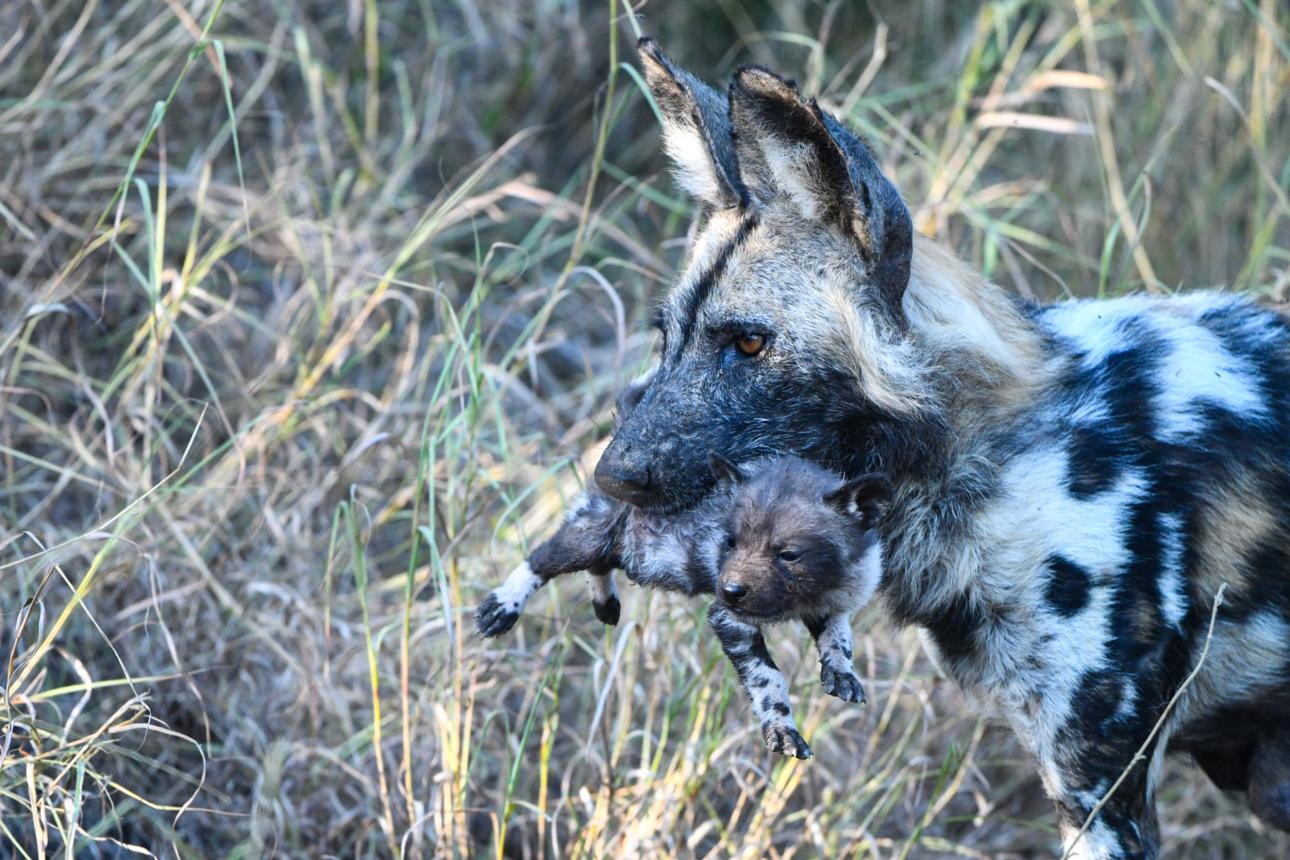
    Researchers studying whales and dolphins have documented cases in which females care for calves that are not biologically related to them.

    In social marine species, cooperation can significantly improve survival. Orphaned calves face enormous challenges, making assistance from another adult especially valuable.

    Some dolphins have been observed escorting vulnerable young animals through dangerous waters and protecting them from threats.

    Although these relationships are difficult to study in the wild, they reveal that foster care exists even beneath the ocean’s surface.


    Why Predators Sometimes Become Protectors

    Perhaps the most puzzling examples involve predators caring for potential prey.

    Wildlife observers have occasionally witnessed cheetahs, lions, and other carnivores displaying protective behavior toward young herbivores.

    Scientists believe several factors may contribute:

    • Strong maternal hormones
    • Temporary suppression of hunting instincts
    • Attraction to infant features
    • Confusion caused by unusual circumstances

    Although such relationships rarely become permanent, they provide dramatic evidence that animal behavior is not always predictable.

    For a brief moment, the predator’s role changes from hunter to guardian.


    Foster Parenting Among Birds

    Birds provide some of the most widespread examples of caring for unrelated offspring.

    In crowded nesting colonies, chicks sometimes wander into neighboring territories. Surprisingly, foster parents may continue feeding them despite the extra cost.

    Penguins are particularly famous for this behavior. Adults occasionally care for orphaned chicks or attempt to adopt youngsters after losing their own eggs.

    These actions demonstrate the incredible strength of parental instincts.

    Even when biological connections are absent, the urge to nurture can remain powerful.


    The Science Behind Shared Parenting

    Biologists use the term “alloparenting” to describe caregiving provided by individuals other than biological parents.

    This behavior appears in dozens of animal groups, including:

    • Primates
    • Elephants
    • Birds
    • Dolphins
    • Wolves
    • Rodents

    Alloparenting can offer several advantages.

    Young helpers gain parenting experience. Social bonds become stronger. Vulnerable offspring receive additional protection.

    In some species, raising young is simply too demanding for one individual alone.

    Sharing responsibilities improves survival for the entire group.

    Image
    Image
    Image
    Image
    Image

    What Animal Adoptions Teach Us

    Stories of animal adoption challenge simplistic views of wildlife.

    Nature is not exclusively about competition and aggression. Cooperation also plays a crucial role.

    Animals often display behaviors that cannot be easily explained by immediate self-interest. While researchers avoid assigning human emotions to wildlife without evidence, many observations suggest animals possess complex social lives.

    The willingness to care for vulnerable youngsters—regardless of biological relationship—demonstrates that survival sometimes depends on helping others.

    These relationships may emerge from instinct, but they often produce outcomes that appear remarkably compassionate.


    The Future of Research

    Scientists continue investigating how and why foster parenting develops across different species.

    New technologies, including GPS tracking and genetic testing, allow researchers to identify relationships that would have remained hidden in the past.

    As more discoveries emerge, researchers are finding that adoption and cooperative childcare may be more common than previously believed.

    Each new observation adds another piece to the puzzle of animal social behavior.


    Conclusion

    From monkeys carrying puppies to elephants protecting orphaned calves, examples of animals raising young that are not their own reveal a fascinating side of nature. These relationships challenge assumptions about survival, parenting, and social bonds.

    Whether caused by hormonal instincts, cooperative living, mistaken identity, or emotional attachment, foster parenting demonstrates the remarkable flexibility of animal behavior.

    The next time you think of wildlife as a world governed solely by competition, consider the borrowed babies of nature—youngsters who survived because an unexpected parent decided to care.

    In those rare and extraordinary moments, the boundaries of species, family, and instinct become far less rigid than we once imagined.