Tag: Sea Creatures

  • This Crab Doesn’t Build a Home—It Steals a Snail Shell and Lives Inside It

    This Crab Doesn’t Build a Home—It Steals a Snail Shell and Lives Inside It

    Image
    Image
    Image
    Image
    Image
    Image
    Image

    This Crab Doesn’t Build a Home—It Steals a Snail Shell and Lives Inside It

    Imagine searching for a house not by building one—but by finding an abandoned shell and moving in.

    That’s exactly how one of the ocean’s most unusual animals survives.

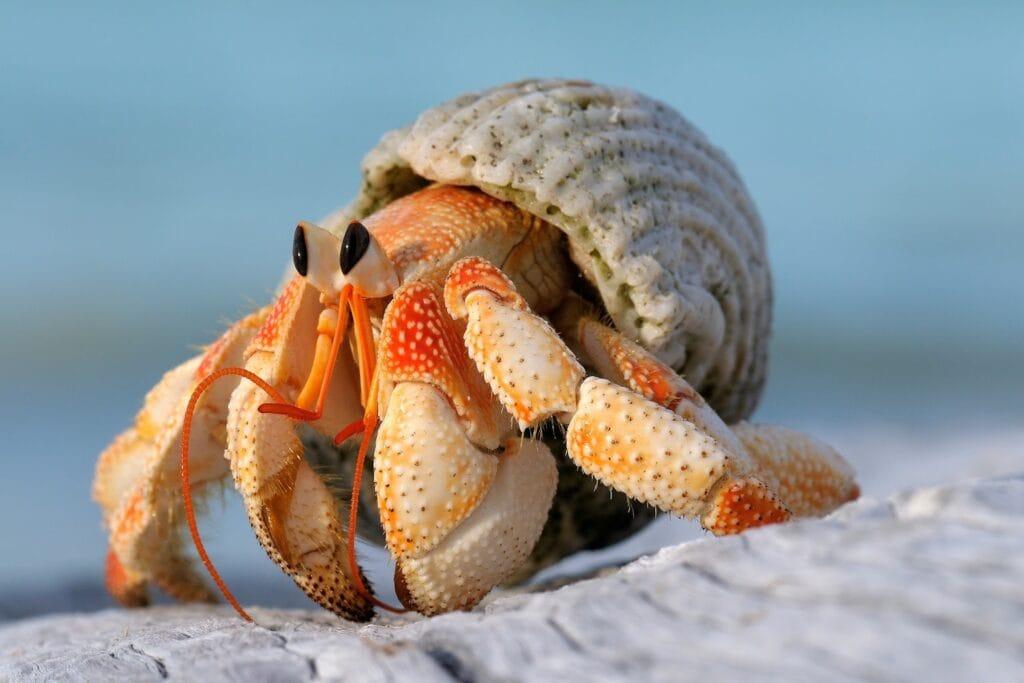
    Hermit crabs are famous for using empty snail shells as portable homes. Unlike most crabs, their bodies are not fully protected by a hard outer shell. Instead, they depend on abandoned snail shells as mobile shelters, carrying their homes everywhere they go.

    This strange lifestyle has turned hermit crabs into one of nature’s most fascinating examples of adaptation and survival.

    Why Hermit Crabs Need Borrowed Homes

    Most crabs have thick, armored bodies that protect them from predators and rough environments.

    Hermit crabs are different.

    Only the front part of their body is strongly protected. Their soft, curved abdomen remains vulnerable.

    To solve this problem, evolution created an unusual strategy.

    Hermit crabs search for empty snail shells and carefully move inside. Their curved bodies fit naturally into spiral interiors, creating a surprisingly secure shelter.

    The shell becomes more than protection—it becomes the crab’s bedroom, fortress, and transportation system.

    Without shells, many hermit crabs would struggle to survive.

    The Great Shell Hunt

    Finding the perfect shell is not easy.

    Hermit crabs spend large portions of their lives evaluating potential homes.

    A shell must be:

    • Large enough to fit comfortably
    • Light enough to carry
    • Strong enough to resist predators
    • Shaped correctly for balance and movement

    Crabs inspect shells carefully before committing.

    They rotate around openings, test the interior using their claws, and sometimes enter partially before deciding.

    If a shell feels wrong, they quickly move on.

    A poor shell choice may reduce movement speed or increase vulnerability.

    Real Estate Competition Underwater

    Suitable shells are valuable.

    In some environments, shell availability becomes so limited that competition intensifies.

    Researchers have observed hermit crabs gathering in groups whenever an empty shell appears.

    Sometimes a chain of crabs forms—smallest to largest—waiting for a shell exchange.

    When one crab upgrades to a larger shell, another immediately occupies the abandoned one, creating an orderly housing market beneath the sea.

    This phenomenon is often called a “vacancy chain.”

    Instead of fighting constantly, many crabs benefit from timing and opportunity.

    Moving Day: One of Nature’s Fastest Decisions

    Changing shells is risky.

    During the transfer, a hermit crab briefly exposes its soft body.

    Predators such as fish and octopuses may attack during these vulnerable moments.

    Because of this danger, shell changes happen incredibly fast.

    The crab positions both shells close together and performs a rapid switch that can take only seconds.

    This quick relocation reduces exposure and increases survival.

    Scientists studying shell exchanges continue discovering how accurately crabs judge shell size and quality.

    More Than Protection: Shells Become Ecosystems

    Over time, a hermit crab’s shell may become home to more than one creature.

    Small algae, marine worms, and tiny organisms sometimes attach to the outside.

    Some hermit crabs even develop partnerships with sea anemones.

    The anemones gain transportation and access to food scraps.

    The crab gains additional defense because anemones possess stinging cells that discourage predators.

    What begins as a discarded snail shell can eventually become a tiny moving ecosystem.

    Growing Means Constantly Moving

    Hermit crabs never stop growing.

    As they increase in size, their shells eventually become too small.

    This means they must repeatedly search for larger homes throughout life.

    Young crabs may switch frequently.

    Older individuals can become extremely selective.

    Growth creates constant pressure to find better housing.

    In areas where snail populations decline or shells become scarce, hermit crab survival may also decrease.

    Their entire lifestyle depends on the availability of abandoned shells.

    Unexpected Intelligence in Tiny Creatures

    Hermit crabs demonstrate surprisingly complex behavior.

    Studies suggest they compare shell quality, remember locations, and evaluate future opportunities.

    Some even wait strategically near larger crabs, expecting shell exchanges.

    Their decisions balance energy use, protection, and long-term survival.

    For such small animals, their behavior appears remarkably sophisticated.

    Why Hermit Crabs Fascinate People

    Part of the appeal comes from how relatable their behavior feels.

    Humans search for homes.

    Hermit crabs search for homes.

    Humans upgrade when life changes.

    Hermit crabs do the same.

    Their unusual relationship with abandoned snail shells transforms something simple into one of the ocean’s most memorable survival stories.

    Final Thoughts

    Hermit crabs prove that survival doesn’t always require building something new.

    By transforming abandoned snail shells into portable shelters, these animals created one of nature’s most elegant solutions to a difficult problem.

    Every shell tells a story.

    First, it belonged to a snail.

    Then, after being abandoned, it became a traveling nest for a crab.

    In the ocean, even an empty shell can begin a second life.

    Image Alt Text

    Figure 1:
    Close-up of a hermit crab partially emerging from an empty snail shell on the ocean floor.

    Figure 2:
    Small hermit crab carrying a spiral snail shell while moving across sandy seabed.

    Figure 3:
    Hermit crab inspecting a larger shell before changing homes underwater.

    Figure 4:
    Several hermit crabs gathered together competing for available shells.

    Figure 5:
    Colorful hermit crab using an abandoned shell as a portable shelter.

    Figure 6:
    Macro view showing the detailed claws and shell opening of a hermit crab.

    Figure 7:
    Hermit crab walking across the seafloor carrying its protective shell
  • 7 Most Expensive Sea Creatures in the World – The Ocean’s Million-Dollar Wonders

    7 Most Expensive Sea Creatures in the World – The Ocean’s Million-Dollar Wonders


    7 Most Expensive Marine Animals Ever Sold or Valued Around the World

    Image
    Image
    Image
    Image

    The world’s oceans contain some of the most fascinating creatures ever discovered. While many marine animals are admired for their beauty and ecological importance, some are also incredibly valuable. Their rarity, demand in luxury food markets, unique appearance, or ability to produce precious materials has made them worth astonishing amounts of money.

    From record-breaking tuna sold at auctions to rare shellfish prized by collectors and gourmet chefs, these marine creatures demonstrate that the ocean is home to some of the most expensive living treasures on Earth.

    Let’s explore seven of the most expensive sea creatures ever known.


    1. Pacific Bluefin Tuna

    Image
    Image
    Image
    Image
    Image

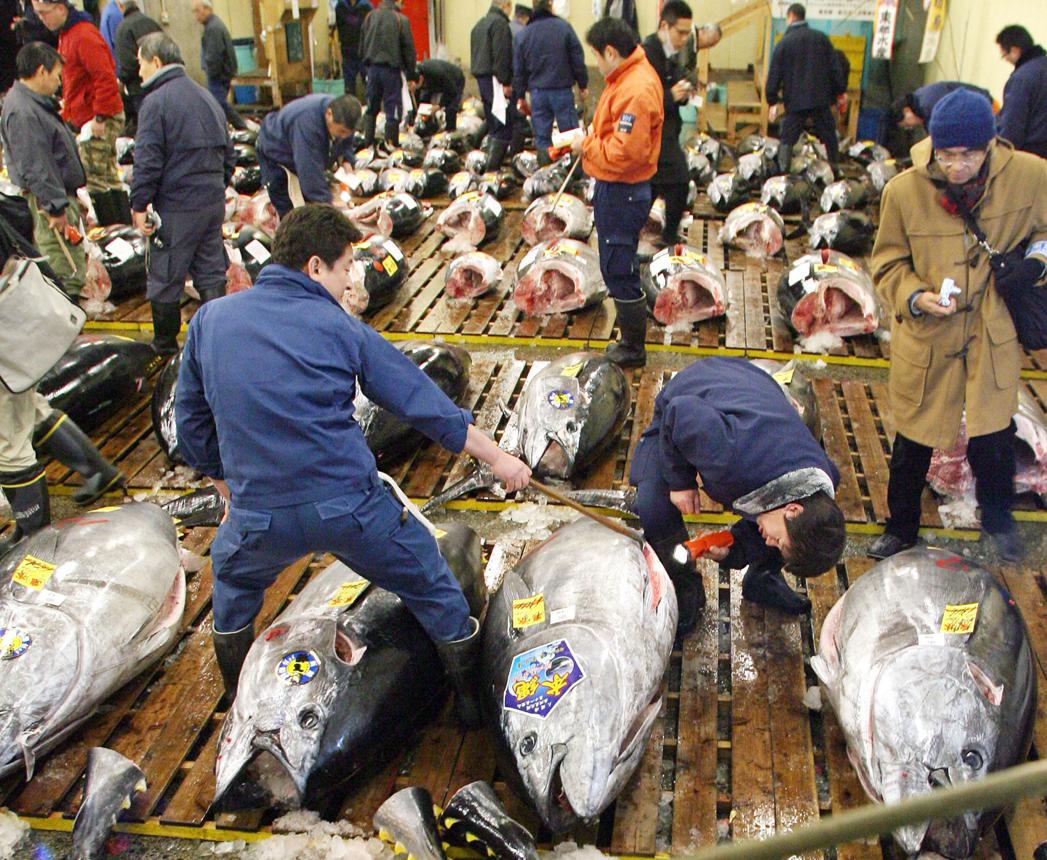
    The Pacific Bluefin Tuna is often considered the king of luxury seafood. Highly prized for premium sushi and sashimi, large specimens regularly fetch enormous prices at fish auctions.

    One famous Bluefin Tuna weighing over 600 pounds sold for more than $3 million at Tokyo’s famous fish market. Wealthy restaurant owners often compete fiercely to purchase the best specimens, driving prices to extraordinary levels.

    These powerful fish can travel thousands of miles across the Pacific Ocean and are among the fastest swimmers in the sea. Unfortunately, overfishing has also made them increasingly rare, contributing to their high value.

    Estimated Value: Up to $3 million+


    2. Blue Lobster

    Rare blue lobsters are among the ocean’s most unusual creatures. Their brilliant blue color results from a rare genetic mutation that occurs in approximately one out of every two million lobsters.

    Although most blue lobsters are not sold for food, they often become valuable attractions for aquariums and marine research centers. Their rarity makes them highly sought after and admired worldwide.

    The stunning cobalt-blue coloration makes them one of nature’s most extraordinary marine animals.

    Estimated Value: Several thousand dollars


    3. Abalone

    Abalone is a marine mollusk known for its beautiful shell and highly prized meat. In many Asian countries, abalone is considered a luxury delicacy and is frequently served during important celebrations and special events.

    Wild abalone populations have declined significantly due to overharvesting, causing prices to rise dramatically. Premium specimens can sell for hundreds of dollars per pound.

    Their iridescent shells are also used in jewelry, decorative artwork, and luxury crafts.

    Estimated Value: Hundreds to thousands of dollars


    4. Pearl Oyster

    Pearl oysters have generated immense wealth for centuries because they can produce natural pearls. While cultured pearls are now common, naturally occurring high-quality pearls remain extremely rare.

    A single exceptional pearl can be worth tens of thousands—or even hundreds of thousands—of dollars. Throughout history, pearl diving industries have flourished because of the extraordinary value hidden inside these oysters.

    Many luxury jewelry brands continue to rely on pearl oyster farming around the world.

    Estimated Value: Up to hundreds of thousands of dollars


    5. Japanese Spider Crab

    The Japanese Spider Crab is the largest crab species on Earth, with leg spans reaching over 12 feet (3.7 meters). Its impressive size and unusual appearance have made it highly valuable for aquariums and marine exhibitions.

    These giant crabs live in deep waters around Japan and can survive for many decades. Because of their rarity and extraordinary size, collectors and institutions are willing to pay significant amounts for healthy specimens.

    Their prehistoric appearance often fascinates visitors and marine enthusiasts.

    Estimated Value: Thousands of dollars


    6. Giant Clam

    Image
    Image
    Image
    Image
    Image
    Image
    Image

    Giant clams are among the largest mollusks in the world and can weigh more than 400 pounds. Their vibrant colors and ecological importance make them highly valued in marine conservation and aquarium industries.

    Many species are protected because their populations have declined in several regions. Large healthy specimens can command impressive prices among authorized conservation and display facilities.

    These magnificent creatures also play a crucial role in maintaining healthy coral reef ecosystems.

    Estimated Value: Thousands to tens of thousands of dollars


    7. Red Coral

    Unlike many animals on this list, Red Coral is valued primarily for its skeleton, which has been used in jewelry for centuries. Deep-red coral branches are transformed into necklaces, bracelets, and luxury ornaments.

    Because high-quality red coral is increasingly rare, premium specimens can fetch extremely high prices on international markets. Conservation efforts now regulate harvesting in many regions to protect natural populations.

    Its striking color and rarity continue to make it one of the ocean’s most valuable treasures.

    Estimated Value: Thousands to hundreds of thousands of dollars


    Why Are These Sea Creatures So Expensive?

    Several factors determine the value of marine animals:

    • Rarity: Scarce species naturally command higher prices.
    • Luxury Food Demand: Premium seafood markets greatly increase value.
    • Unique Appearance: Rare colors and extraordinary sizes attract collectors.
    • Jewelry Production: Pearls and coral have long-standing luxury appeal.
    • Conservation Status: Protected species often become more valuable due to limited availability.

    Final Thoughts

    The ocean is filled with remarkable creatures, but only a handful reach extraordinary financial value. Whether it’s a multi-million-dollar Bluefin Tuna, a rare Blue Lobster, or a precious Pearl Oyster, these marine animals highlight the incredible diversity and economic significance of life beneath the waves.

    As conservation efforts continue worldwide, protecting these species remains essential. Their value extends far beyond money—they are important parts of Earth’s marine ecosystems and natural heritage.