Not Photoshop: 7 Animals Born in Colors So Strange Scientists Had to Look Twice
If someone showed you an orange penguin or a black flamingo, you might assume the image had been edited.
But nature occasionally produces animals with colors so unusual that even researchers stop and stare.
Most species develop colors that help them survive—camouflage, warning signals, temperature control, or attracting mates. Yet every so often, genetics creates something unexpected.
These animals are not new species.
They are simply extraordinary versions of familiar ones.
Here are seven real examples of animals born with colors that made them look almost impossible.
1. The Orange Penguin That Shocked Wildlife Photographers
Penguins are famous for their black-and-white appearance.
That’s why photographers were stunned when an unusually orange-colored penguin appeared.
Scientists believe rare pigment abnormalities can reduce darker feather colors and create lighter golden or orange tones.
The result looked less like a penguin and more like a tropical bird.
Alt Text: Rare orange-colored penguin standing among ordinary penguins.
2. The White Crow That Lost Its Darkness
Crows are symbols of glossy black feathers.
But occasionally, a crow appears almost completely white.
This unusual appearance often results from leucism—a condition that reduces pigment while preserving normal eye color.
White crows attract enormous attention because they break one of nature’s most recognizable color patterns.
Alt Text: Rare white crow perched outdoors with pale feathers.
3. The Golden Turtle That Looked Metallic
Most turtles disappear into mud, rocks, and vegetation.
Then there are the rare yellow or golden individuals.
Their shells can appear bright enough to look painted.
Researchers study these rare color changes to better understand reptile pigmentation.
Alt Text: Golden-colored turtle with unusual bright shell.
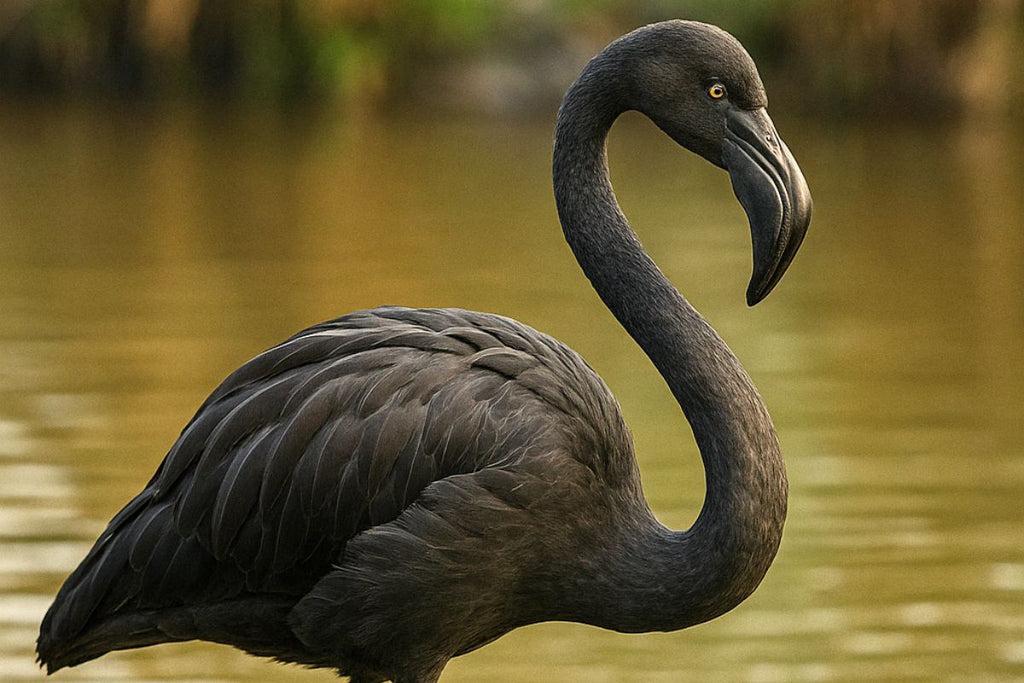
4. The Nearly Black Flamingo
Flamingos are famous for pink feathers.
A black flamingo sounds impossible.
Yet rare individuals with unusually dark pigment have been documented.
The contrast creates one of the strangest sights in bird watching—a bird known for brightness appearing almost shadow-colored.
Alt Text: Rare dark flamingo standing among pink flamingos.
5. The White Moose That Became a Legend
Moose are usually dark brown and blend into forests.
But rare white moose can appear almost glowing between trees.
Unlike albino animals, many retain normal eyes and are believed to carry reduced pigmentation rather than complete pigment loss.
People who see one often describe the experience as unforgettable.
Alt Text: Rare white moose walking through woodland.
6. The Yellow Cobra That Looks Unreal
Cobras usually rely on darker colors for protection and concealment.
Occasionally, rare yellow individuals appear because of unusual genetic traits.
Their bright color transforms one of the world’s most recognizable snakes into something that seems almost fictional.
Alt Text: Yellow cobra displaying unusual bright coloration.
7. The Red Banana Slug
Slugs may not sound exciting—until one appears bright red.
Some banana slug color variations develop intense orange or red shades that stand out dramatically against forest floors.
These strange colors remind us that unusual pigmentation is not limited to large or famous animals.
Alt Text: Bright red banana slug moving across a forest surface.
Why Does Nature Create These Color Surprises?
Color mutations usually happen because pigment-producing cells behave differently during development.
These changes can create animals that are:
• Lighter than normal • Darker than normal • More colorful than expected • Completely unlike their own species
Many unusual color variations reduce camouflage, making survival harder.
But for people lucky enough to see them, they become unforgettable reminders that nature still creates surprises no one expects.
Sometimes the rarest animal is not the rarest species—
7 Mysterious Giant Creatures Caught on Camera Deep in the Wilderness
7 Giant Wild Animals Captured Deep in the Forest
The world’s remote forests remain among the least explored places on Earth. Dense vegetation, rugged terrain, and vast wilderness areas make it difficult for humans to observe what truly lives within these hidden ecosystems.
Fortunately, modern technology, wildlife photographers, hikers, and conservation researchers have helped reveal some of nature’s most incredible secrets.
Over the years, camera traps and lucky encounters have captured images of unusually large animals roaming deep forests around the world. In many cases, these creatures appeared so enormous that viewers initially suspected the photographs had been altered.
However, the animals were real.
From gigantic bears and towering moose to massive wild boars and giant bison, these extraordinary encounters remind us that nature can still surprise even experienced wildlife experts.
Let’s explore some of the most impressive giant animals ever photographed in remote wilderness areas.
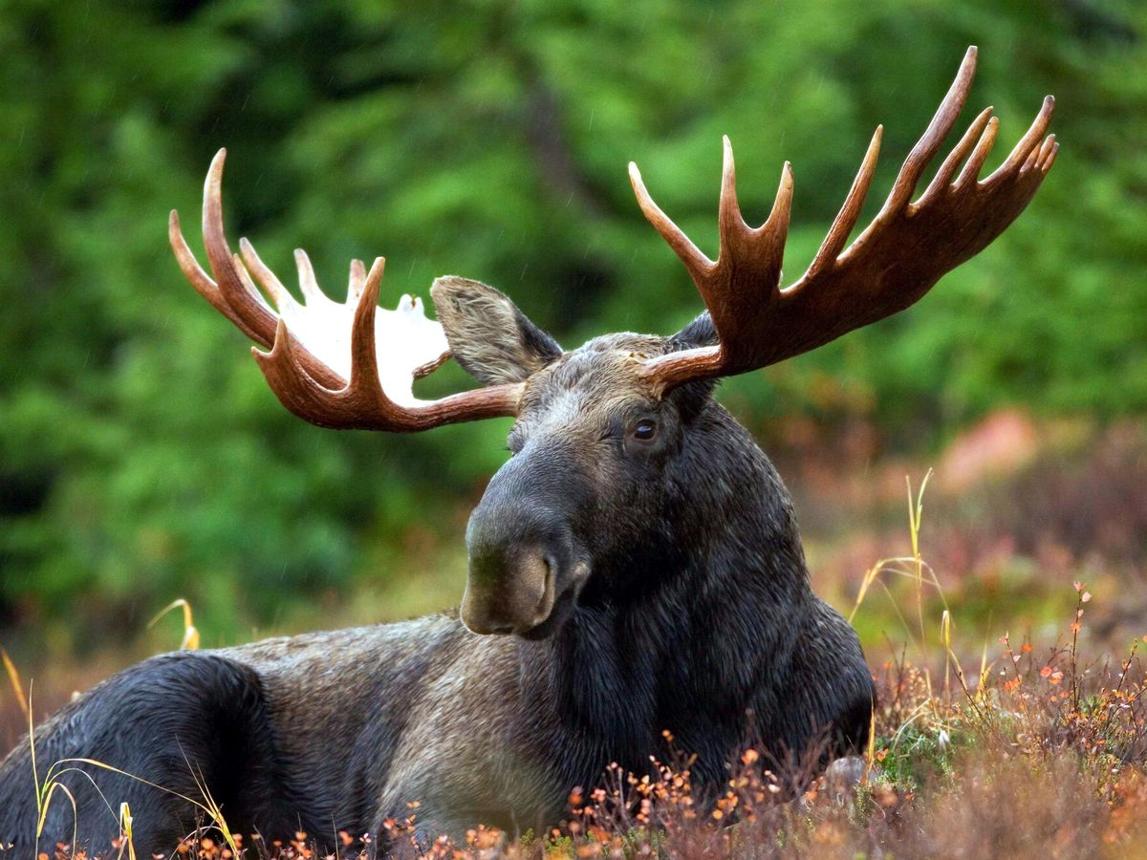
1. The Giant Moose That Looked Like a Walking Dinosaur
Among all deer species, moose are already famous for their enormous size.
Adult bull moose can stand over 2 meters (6.5 feet) at the shoulder and weigh more than 700 kilograms (1,500 pounds).
Yet wildlife photographers occasionally encounter individuals that appear even larger than average.
One famous photograph taken in a northern forest showed a giant bull moose standing beside trees. Its enormous antlers stretched wider than many people are tall.
The image quickly spread online because the animal looked almost prehistoric.
Scientists explain that exceptional genetics, abundant food, and favorable habitat conditions can occasionally produce unusually large individuals.
2. The Giant Grizzly Bear Caught by a Camera Trap
Large bears often seem intimidating in photographs, but some individuals reach truly extraordinary sizes.
Wildlife researchers using camera traps in remote regions have documented exceptionally large grizzly bears wandering through forests.
These massive predators can weigh hundreds of kilograms and stand well over 8 feet tall when upright.
Many conservationists describe their first encounter with a giant bear as both awe-inspiring and humbling.
Although bears possess incredible strength, most prefer avoiding human contact whenever possible.
3. The Massive Forest Bison
The forest bison is one of the largest land mammals in North America.
Some mature males can weigh more than a small automobile.
Wildlife photographers occasionally capture images of enormous bulls moving through remote forests.
With their thick shoulders, muscular frames, and towering presence, these animals appear almost unstoppable.
Despite their size, bison are surprisingly agile and can run much faster than many people expect.
Researchers consider them a critical part of healthy grassland and forest ecosystems.
4. The Giant Wild Boar That Astonished Hunters
Wild boars are found across many regions of the world, but some individuals grow far larger than average.
Several famous photographs taken by hunters and wildlife observers show boars with enormous bodies and impressive tusks.
These giant boars often thrive in areas with abundant food resources and limited hunting pressure.
While exaggerated stories about monster-sized boars occasionally circulate online, verified examples of exceptionally large individuals do exist.
Their powerful bodies and sharp tusks make them among the most formidable animals in many forest ecosystems.
5. The Huge Gorilla of Central Africa
The forests of Central Africa are home to some of the largest primates on Earth.
Male gorillas, especially silverbacks, can develop immense muscle mass and impressive body size.
Wildlife photographers who spend years studying gorillas sometimes encounter exceptionally large individuals that dominate their groups.
These powerful animals can weigh more than 400 pounds and possess tremendous strength.
Despite their intimidating appearance, gorillas are generally peaceful and spend much of their time feeding, resting, and caring for family members.
Their intelligence and social behavior continue to fascinate researchers worldwide.
6. The Giant Crocodile Hidden Along Forest Rivers
Deep tropical forests often contain rivers where massive crocodiles remain hidden from view.
Camera traps and wildlife expeditions have occasionally documented enormous crocodiles resting along riverbanks.
Some of these reptiles exceed 5 meters (16 feet) in length.
Their ancient appearance has changed very little over millions of years.
Because they spend much of their time submerged, exceptionally large crocodiles can remain unnoticed for years before being photographed.
These reptiles represent some of the largest predators inhabiting freshwater ecosystems.
7. The Enormous Elk Captured by Wildlife Photographers
Elk are among the most iconic animals found in forests and mountainous regions.
Adult males are already impressive, but occasionally photographers capture images of exceptionally large bulls carrying gigantic antlers.
During the breeding season, these animals become even more impressive as they compete for mates and defend territories.
Their size, strength, and majestic appearance make them favorites among wildlife enthusiasts.
Photographs of giant elk often go viral because they highlight the incredible scale that nature can achieve under ideal conditions.
Why Do Some Animals Grow So Large?
Scientists believe several factors contribute to unusually large individuals.
Genetics
Some animals inherit traits that allow them to grow larger than average.
Abundant Food
Access to high-quality nutrition supports growth and development.
Healthy Habitat
Protected environments with minimal disturbance often produce healthier wildlife populations.
Age
Many animals continue growing throughout much of their lives. Older individuals may therefore become exceptionally large.
Limited Competition
Animals living in favorable conditions may dedicate more energy to growth rather than survival.
The Importance of Wildlife Photography
Wildlife photographers and conservation researchers play a crucial role in documenting these extraordinary animals.
Their work helps:
Monitor wildlife populations.
Identify rare individuals.
Raise awareness about conservation.
Educate the public about biodiversity.
Support habitat protection efforts.
Modern camera traps have become especially valuable because they allow researchers to observe animals without disturbing them.
Some of the most remarkable wildlife discoveries in recent years were made using these automated cameras.
Conclusion
Deep forests continue to hide some of the most extraordinary animals on Earth. From gigantic moose and massive bears to enormous crocodiles and towering gorillas, these creatures remind us that nature remains full of surprises.
Many of these giant animals were only documented because hikers, wildlife photographers, and conservation researchers spent countless hours exploring remote wilderness areas.
Their photographs provide rare glimpses into a world that most people will never see firsthand—a world where some animals grow to sizes so impressive that they seem almost mythical.
As technology improves and conservation efforts continue, we may discover even more remarkable giants hidden within Earth’s remaining wild places. 🌲📷🦍🐻🦌
Raising the Wild: Seven Animal Parenting Tales That Sound Too Strange to Be True
The journey from newborn to independent adult is one of the most dangerous stages in an animal’s life. In many species, only a small fraction of offspring survive long enough to reproduce. To overcome these odds, animals have evolved some of the most creative, surprising, and occasionally bizarre parenting strategies found anywhere in nature.
While predators, migration, and adaptation often receive the spotlight in wildlife documentaries, parental care is equally fascinating. Some parents transform parts of their bodies into nurseries. Others build elaborate homes, assign babysitters, or spend years teaching their young how to survive.
These unusual stories reveal that successful parenting isn’t limited to one approach. Across the globe, animals have developed extraordinary solutions to the universal challenge of raising the next generation.
Let’s explore seven remarkable examples.
1. The Frog That Turns Its Voice Sac Into a Nursery
Figure 1
Alt Text: Male Darwin’s frog carrying developing tadpoles inside its vocal sac.
Most frogs lay eggs and leave them behind. Darwin’s frog takes a dramatically different route.
Native to the forests of Chile and Argentina, this small amphibian practices one of the strangest forms of parental care ever discovered.
After the eggs hatch, the father collects the tiny tadpoles and stores them inside his vocal sac—the flexible pouch normally used for calling.
Inside this living nursery, the developing young remain protected while continuing their growth. They receive moisture, shelter, and safety from predators.
Weeks later, fully formed froglets emerge directly from the father’s mouth.
Scientists consider this one of the most unusual childcare adaptations in the entire animal kingdom.
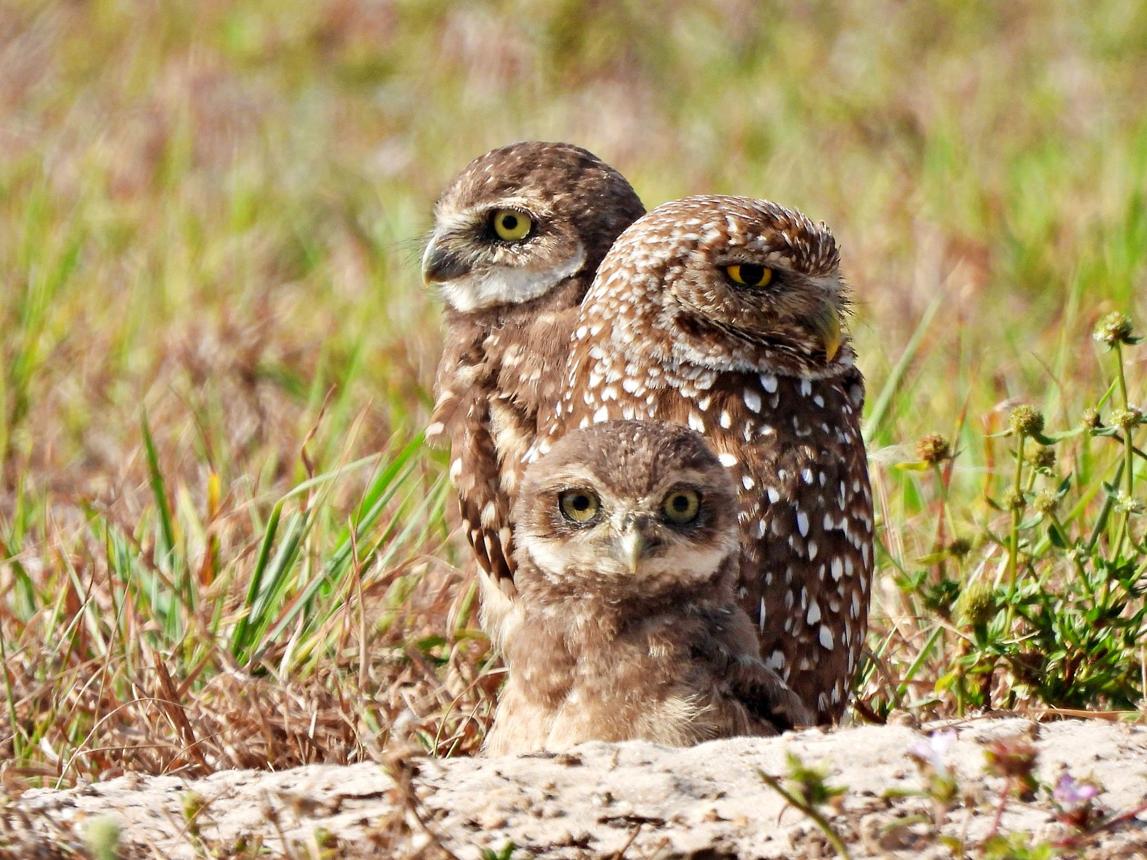
2. Burrowing Owls Raise Families Underground
Figure 2
Alt Text: Burrowing owl standing at the entrance of an underground nest with young chicks nearby.
Most owls prefer tree cavities or elevated nesting sites. Burrowing owls break the rules.
These small owls live in underground tunnels, often using abandoned burrows originally dug by mammals such as prairie dogs or ground squirrels.
The subterranean environment provides protection from harsh weather and many predators.
Parents work tirelessly to supply food to growing chicks. Insects, rodents, and small reptiles are regularly delivered to the nest.
Young owls spend weeks inside the burrow before venturing outside. During this period, parents constantly monitor the area for threats.
The sight of an owl family living beneath the ground makes these birds unique among their relatives.
3. Clownfish Fathers Become Dedicated Egg Guardians
Figure 3
Alt Text: Male clownfish carefully tending eggs attached to a coral reef surface.
The colorful clownfish is famous for its partnership with sea anemones, but its parenting behavior is equally impressive.
After the female lays eggs on a cleaned surface near the anemone, the male takes charge of childcare.
His responsibilities include cleaning the eggs, removing damaged ones, and fanning them with water to ensure a constant oxygen supply.
The father remains vigilant around the clock.
Predators seeking an easy meal often target fish eggs, but clownfish fathers aggressively defend the nest.
This level of commitment significantly improves the survival chances of the developing offspring.
4. Meerkats Appoint Babysitters
Figure 4
Alt Text: Adult meerkat standing guard while young pups remain near the burrow.
Meerkat societies operate with remarkable organization.
When adult group members leave to search for food, some individuals remain behind to watch over the pups. These designated babysitters sacrifice feeding opportunities to protect the young.
The role can last for hours.
Babysitters guard the burrow entrance, respond to danger signals, and ensure that vulnerable pups remain safe.
This cooperative system allows the colony to function efficiently while maintaining high levels of offspring protection.
Few mammals demonstrate such a structured approach to childcare.
5. Weaver Birds Build Homes Designed for Safety
Figure 5
Alt Text: Intricately woven weaver bird nest hanging from a tree branch.
In the animal kingdom, parenting often begins before offspring arrive.
Weaver birds are famous for constructing elaborate hanging nests that resemble woven baskets.
Using grass strips and plant fibers, males carefully create structures designed to protect future chicks from predators and harsh weather.
Many nests include narrow entrance tunnels that make access difficult for snakes and other threats.
Once eggs are laid, both parents focus on maintaining the nest and feeding hatchlings.
The engineering skill displayed by these birds demonstrates how architecture can play an important role in successful child rearing.
6. Bonobo Mothers Invest in Lifelong Relationships
Figure 6
Alt Text: Bonobo mother interacting closely with her young offspring in a forest environment.
Among primates, few family bonds are as enduring as those found in bonobos.
Young bonobos remain closely connected to their mothers for many years. Even after reaching adulthood, males often benefit from maternal support.
Mothers help offspring navigate social relationships, gain access to resources, and establish status within the group.
Researchers have observed that maternal influence can continue well beyond childhood.
This extended support system differs from the shorter parental investment seen in many other species and highlights the importance of social learning.
7. Polar Bear Mothers Teach Survival in a Frozen World
Figure 7
Alt Text: Polar bear cub following its mother across Arctic sea ice.
For a polar bear cub, survival depends heavily on learning.
After emerging from a winter den, cubs begin an intensive educational period under their mother’s guidance.
She teaches them how to travel across sea ice, identify prey opportunities, conserve energy, and respond to environmental challenges.
The Arctic is one of Earth’s most unforgiving habitats. Mistakes can be fatal.
As a result, cubs remain with their mother for more than two years, absorbing critical knowledge through observation and experience.
This prolonged training period helps prepare young bears for an independent life in the far north.
More Than Instinct: The Science Behind Animal Parenting
For many years, scientists assumed that animal parenting relied entirely on instinct. Modern research has revealed a more nuanced picture.
Numerous species modify their behavior according to circumstances. Parents may adjust feeding rates, increase protection during periods of danger, or change teaching strategies based on offspring needs.
Some animals display forms of learning, communication, and cooperation that were once thought to be uniquely human.
These discoveries continue to expand our understanding of intelligence and social behavior across the animal kingdom.
Different Environments, Different Parenting Solutions
There is no universal formula for raising young.
Species living underground face different challenges than those living in oceans, forests, deserts, or polar regions.
As environments change, parenting strategies evolve to match local conditions.
Underground nests protect owl chicks from exposure. Vocal-sac nurseries shield frog larvae from predators. Arctic lessons prepare bear cubs for survival on ice.
Each method represents a highly specialized response to the demands of a particular habitat.
Many species depend on specific nesting sites, social structures, or learning opportunities to raise offspring successfully.
When habitats are damaged or populations decline, these systems can be disrupted.
Conservation efforts therefore focus not only on protecting individual animals but also on preserving the conditions necessary for successful reproduction and child rearing.
The future of many species depends on maintaining these remarkable family traditions.
Conclusion
Nature has produced an astonishing variety of parenting strategies.
Darwin’s frogs transform vocal sacs into nurseries. Burrowing owls raise families beneath the ground. Clownfish fathers carefully tend eggs. Meerkats appoint babysitters, while weaver birds become master architects.
Bonobo mothers maintain lifelong relationships with offspring, and polar bears devote years to teaching survival skills.
These stories remind us that parenting is one of evolution’s greatest achievements. Across every continent and habitat, animals have developed creative ways to protect, educate, and nurture the next generation.
Their efforts reveal a powerful truth: in the wild, successful parenting can be just as extraordinary as any migration, hunt, or adaptation found in nature.