The Amazon rainforest is famous for giant anacondas, jaguars, caimans, river dolphins, and enormous trees. But some of its most fascinating residents are so small that visitors can walk past them without realizing they are there.
A close-up wildlife camera can completely change the way we see the Amazon. A tiny frog hiding beneath a leaf can suddenly appear like a strange prehistoric animal. A miniature monkey can look enormous when photographed from a few feet away. Even insects that are smaller than a grain of rice can reveal extraordinary shapes under specialized cameras and microscopes.
The Amazon contains an enormous variety of small animals. WWF notes that the region supports thousands of species across forests, rivers, and other habitats, including pygmy marmosets and several other small tree-dwelling primates.
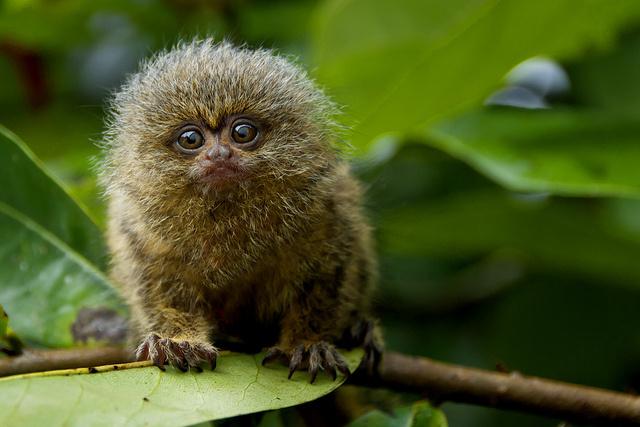
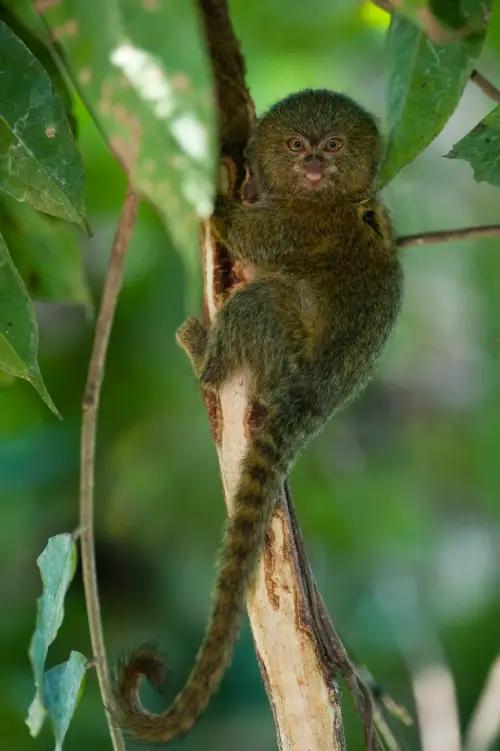
1. Pygmy Marmoset
The pygmy marmoset is one of the most famous tiny mammals of the Amazon. It is considered the world’s smallest monkey, with adults measuring only around 5 to 6 inches in many populations.
2. Saddleback Tamarin
Saddleback tamarins are small Amazonian monkeys with distinctive markings and relatively short bodies. They move quickly through the forest canopy and often travel in groups.
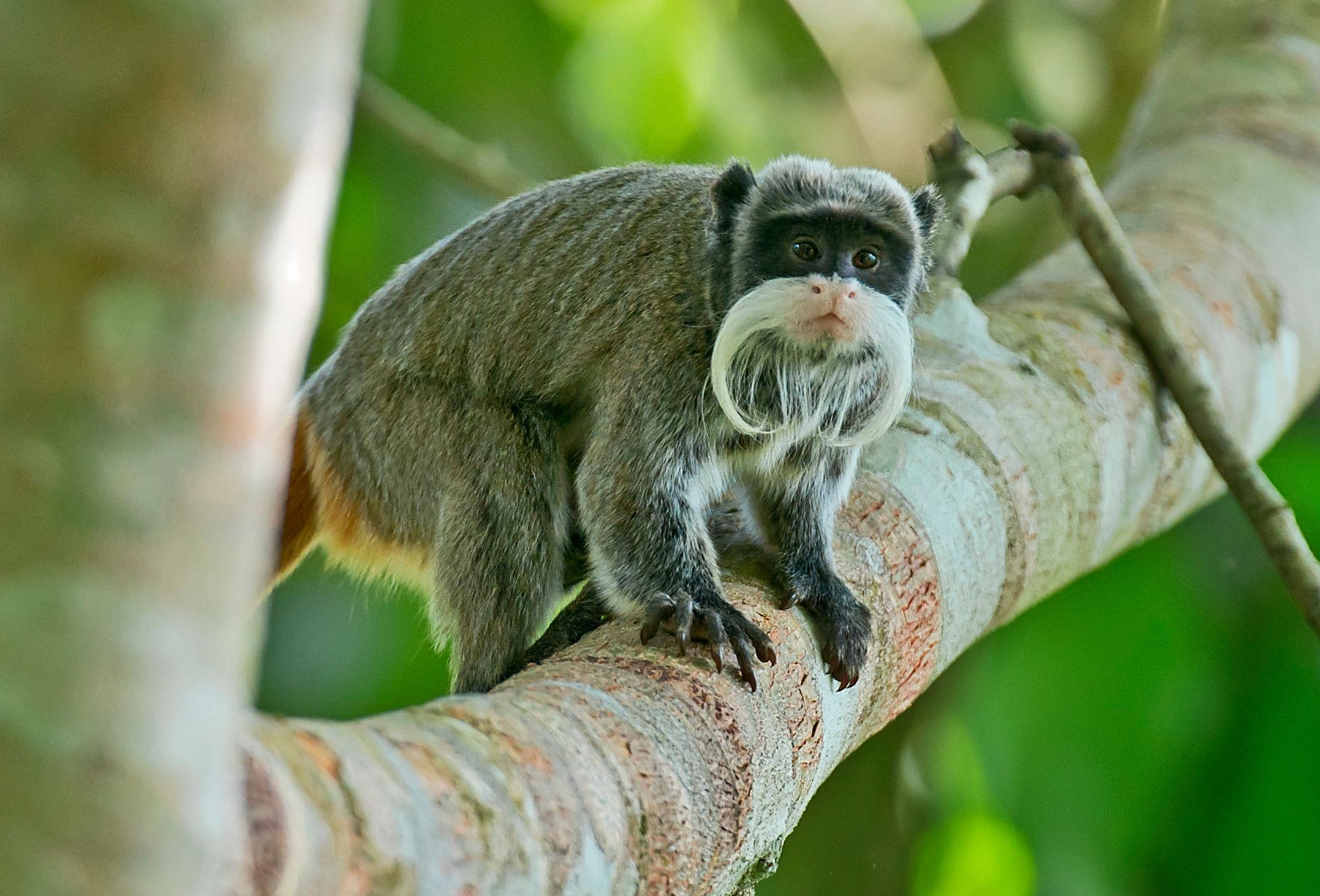
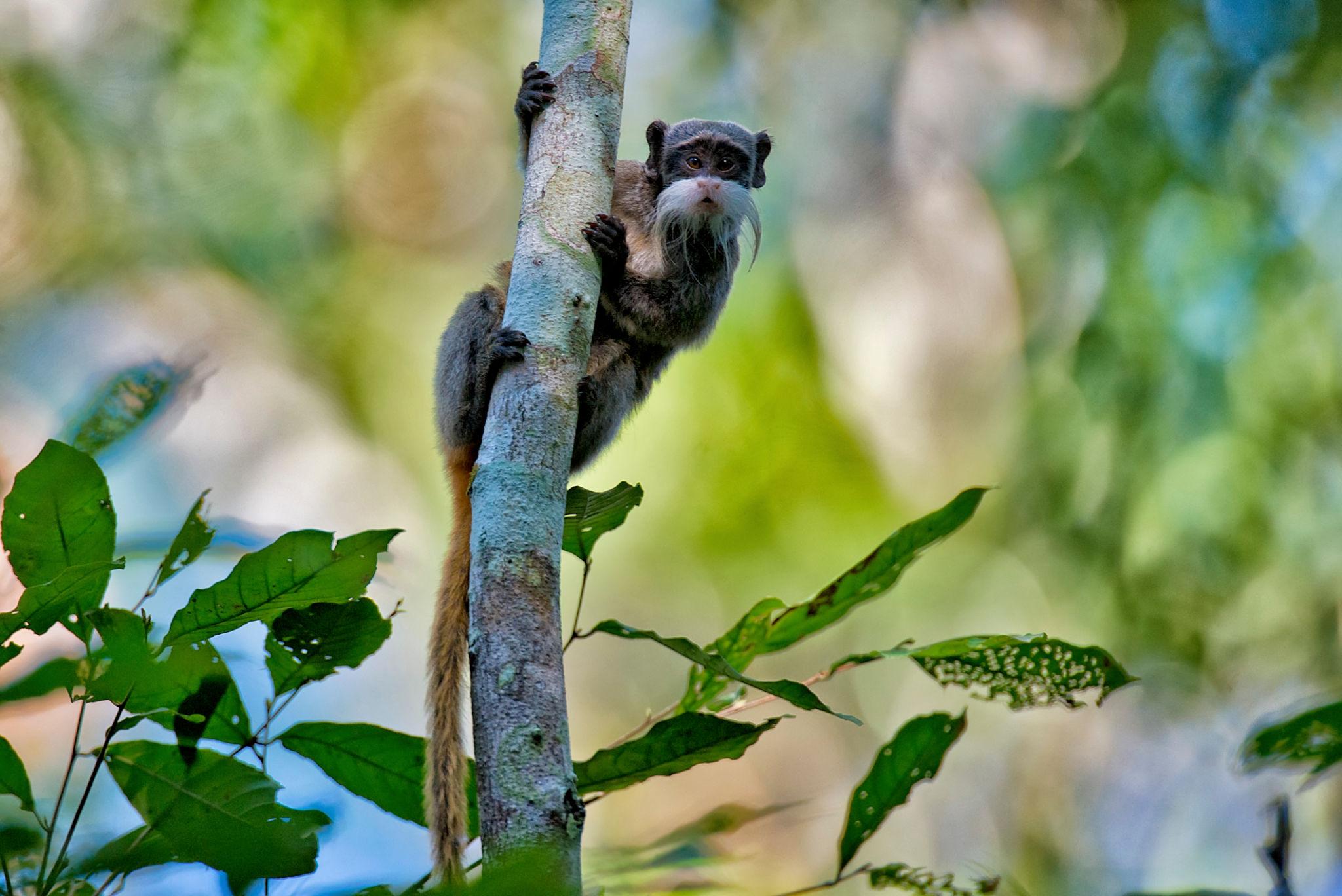
3. Emperor Tamarin
The emperor tamarin is another small Amazonian primate, instantly recognizable because of its long white mustache.
4. Goeldi’s Monkey
Goeldi’s monkey is a small dark-colored primate found in parts of the western Amazon Basin. It spends significant time close to the forest floor and in dense vegetation.
5. Poison Dart Frog
Poison dart frogs are among the most colorful small animals found in tropical South America. Some Amazonian species are brilliantly blue, yellow, orange, or patterned.
6. Tiny Amazon Tree Frog
The Amazon contains numerous small tree frogs that spend their lives among leaves and branches. Some species are only a few centimeters long.
7. Glass Frog
Glass frogs are famous for their partly transparent bodies. Several species occur in the Amazon and surrounding tropical forests.
8. Amazonian Rain Frog
Amazonian rain frogs and related small forest frogs live among leaf litter, vegetation, and moist rainforest habitats.
9. Mapinguari Frog
One especially interesting small Amazonian frog is Dendropsophus mapinguari. The species was described from Brazil and measures only about 22 millimeters long.
10. Tiny Anole Lizard
Anoles are small lizards found throughout tropical America, including Amazonian habitats. Many species are only a few inches long.
11. Small Leaf Gecko
Tiny geckos can live among bark, leaves, and branches where their body colors help them blend into the rainforest.
12. Amazonian Leaf-Litter Lizard
The rainforest floor is filled with dead leaves, roots, moss, and fallen branches. Small lizards can use this complex environment as both camouflage and hunting ground.
13. Tiny Leafhopper
Leafhoppers are small plant-feeding insects that occur in enormous diversity throughout tropical forests. Many are only a few millimeters long.
14. Tiny Chalcid Wasp
Chalcid wasps are among the miniature insects found in the Amazon. Some chalcidid wasps are smaller than a grain of rice.
15. Phorid Fly
Phorid flies are tiny insects that can be difficult to see without magnification. A macro photograph can turn an almost invisible fly into a surprisingly detailed subject.
16. Leafcutter Ant
Leafcutter ants may be small individually, but their colonies can transform entire sections of rainforest. They cut pieces of leaves and use the plant material to cultivate fungi.
17. Bullet Ant
The bullet ant is considerably larger than many tiny rainforest insects, but it is still small compared with the mammals and reptiles of the Amazon. It is famous for its powerful sting.
18. Tiny Jumping Spider
Jumping spiders are excellent subjects for macro photography because of their large forward-facing eyes. Some Amazonian species are only a few millimeters long.
19. Tiny Mite
Mites are found in countless rainforest microhabitats, including soil, plants, moss, and decaying organic matter. Many are too small to identify without magnification.
20. Tiny Springtail
Springtails are small soil and leaf-litter animals that thrive in damp environments. Some species can jump when disturbed using a specialized structure called a furcula.
Why Are Amazon’s Smallest Animals So Difficult to Spot?
The Amazon rainforest is an enormous three-dimensional environment. A tiny frog, spider, wasp, or lizard can disappear into a single leaf. The forest also contains several layers, including the forest floor, understory, lower canopy, and upper canopy, each supporting different communities of animals.
How Cameras Reveal the Hidden Amazon
Wildlife photographers use macro lenses to capture insects, frogs, spiders, and reptiles at very close distances. Researchers can go even further by combining cameras with microscopes. This technology can make a creature only a few millimeters long appear larger than life.
Tiny Animals Have a Huge Ecological Role
Small does not mean unimportant. Tiny frogs consume insects. Ants move organic material and influence soil. Insects pollinate plants, recycle nutrients, and provide food for larger animals.
Final Thoughts
The 20 small Amazon creatures spotted on camera show another side of the world’s largest tropical rainforest. The pygmy marmoset may be one of the smallest monkeys on Earth. Tiny poison frogs can be smaller than a thumbnail. Glass frogs can nearly disappear against leaves. Specialized cameras can reveal insects that are smaller than a grain of rice.
These animals remind us that the Amazon is not only a land of giant creatures. It is also a world of miniature hunters, climbers, pollinators, decomposers, and hidden specialists.
Sources: World Wildlife Fund, Smithsonian Magazine, National Geographic, and the American Museum of Natural History.
Leave a Reply